2026 Best Architectural Glass Solutions for Global Buyers?
Architectural Glass is redefining modern buildings worldwide. This material combines aesthetics and functionality, offering solutions for both commercial and residential projects. It enhances natural light while optimizing energy efficiency. As we approach 2026, global buyers seek the best architectural glass options to elevate their designs.
The architectural glass market is vast. However, not all products meet the high standards of quality and durability. Buyers must navigate through numerous suppliers to find the right fit. Attention to detail is vital when choosing the perfect glass solution. Architects now prioritize sustainable practices. Clever use of architectural glass can significantly reduce energy consumption in buildings.
Challenges persist, such as incorrect installations and poor maintenance practices. These issues can compromise the performance and longevity of architectural glass. Buyers should partner with reputable manufacturers who prioritize quality. By focusing on reliable solutions, they can ensure their projects stand the test of time. The pursuit of excellence in architectural glass is ongoing, demanding innovation and expertise in every step.
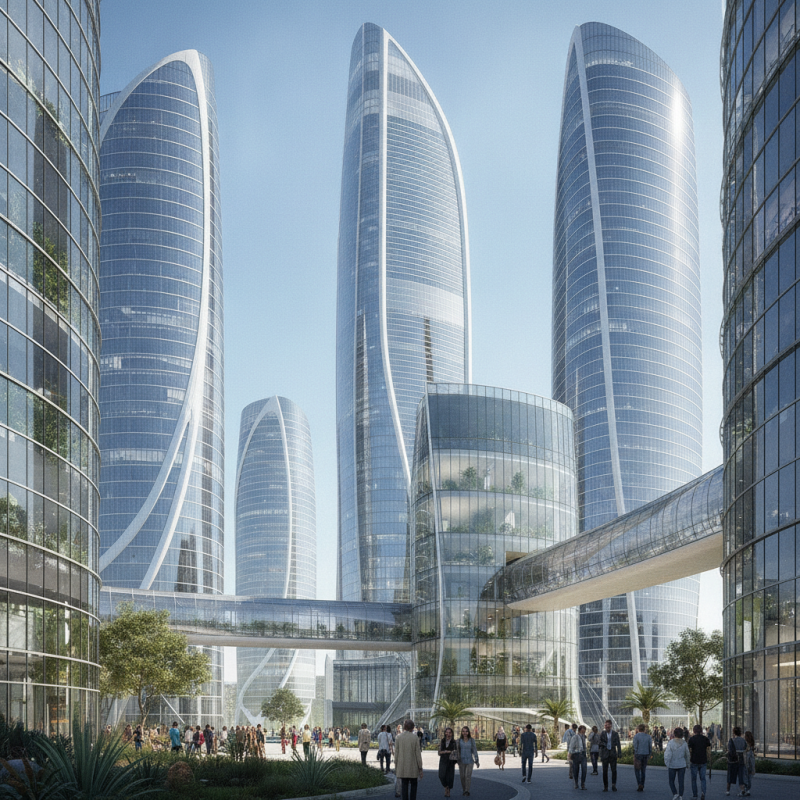
2026 Trends in Architectural Glass: Innovations and Technologies
Architectural glass is evolving rapidly. In 2026, we see a blend of aesthetics and function reshaping the industry. Advanced technologies are driving innovations. Energy-efficient coatings and smart glass features are leading the way. These innovations respond to growing environmental concerns.
Sustainability is not just a trend; it’s a necessity. Architects and builders seek materials that offer durability and energy efficiency. One interesting focus area is thermochromic glass, which changes tint based on temperature. This feature helps regulate indoor climates and reduces energy costs. However, the integration of such technologies is still a challenge.
Another emerging aspect is the use of recycled glass. Its adoption raises questions about quality and performance. Can it meet the demanding standards of modern architecture? This dialogue on material sourcing is crucial. As the industry progresses, balancing innovation with practical applications remains essential. There is still much to learn and improve upon in this dynamic field.
Key Factors Driving Demand for Architectural Glass Solutions Globally
The global demand for architectural glass solutions is rising steadily. A variety of factors are driving this trend. Urbanization plays a crucial role. As cities expand, there is a growing need for innovative building materials. Architectural glass enhances the aesthetics of urban structures, making them more appealing.
Sustainability is another significant factor. The world is increasingly aware of environmental issues. Architects and builders are seeking materials that reduce energy consumption. High-performance glass options help maintain indoor temperatures, reducing heating and cooling costs. This efficiency aligns with modern sustainability goals.
Technology also influences demand. Advancements in glass manufacturing lead to products with enhanced durability and better insulation properties. Smart glass, for instance, offers dynamic control over light and temperature, presenting exciting opportunities for design. However, the high costs associated with these cutting-edge solutions pose challenges for widespread adoption. Balancing aesthetics with practicality remains a crucial consideration in this ever-evolving market.
Top 5 Architectural Glass Manufacturers and Their Market Share Data
The architectural glass industry is evolving rapidly. Key players are enhancing their product designs, focusing on energy efficiency and aesthetic appeal. Market share data reveals significant competition among the top manufacturers. These companies focus on innovation to meet diverse buyer needs. They prioritize high-quality materials and advanced manufacturing techniques.
Recent trends showcase a shift towards sustainable practices. Many manufacturers are adopting eco-friendly processes. However, this transition is not without challenges. Some companies struggle to balance sustainability with cost-effectiveness. The demand for versatile glass solutions increases, pushing manufacturers to rethink their strategies. They must continue improving while being mindful of environmental impact.
In this competitive landscape, buyers should evaluate options carefully. Quality and performance are critical. However, manufacturers must remain flexible and responsive. Adapting to changing market demands is essential. Close attention to consumer preferences can lead to success. The architectural glass sector is poised for exciting developments in the coming years.
2026 Best Architectural Glass Solutions for Global Buyers
This chart illustrates the market share of the top architectural glass solutions. The data represents various glass types preferred by global buyers, showcasing the diversity and competitiveness in the architectural glass market.
Sustainability in Architectural Glass: Eco-Friendly Solutions for Buyers
The architectural glass industry is evolving. Sustainability is at the forefront of these changes. Recent studies highlight that constructing with eco-friendly materials can reduce carbon footprints by up to 30%. This shift is crucial as the built environment accounts for nearly 40% of global energy consumption.
New glass technologies are emerging that enhance energy efficiency. For instance, low-E glass significantly reduces heat transfer. This can lead to substantial savings on energy bills. Additionally, many manufacturers are using recycled materials in their glass production, minimizing waste. Yet, challenges remain. Many buyers are still unaware of the full benefits these sustainable options provide.
Transparency in sourcing and production is vital for progress. Buyers often struggle to find reliable information. This lack of clarity can deter them from making eco-conscious decisions. Industry reports emphasize the need for greater education on sustainable practices. The path ahead requires commitment and informed choices from all stakeholders to truly realize these eco-friendly solutions.
Cost Analysis: Architectural Glass Pricing Trends and Projections for 2026
The architectural glass industry is facing notable changes as we approach 2026. Data from the International Glass Association suggests that pricing may rise by 5% to 10% annually. Factors driving this trend include increased demand for energy-efficient buildings and sustainable materials. As architects and builders prioritize green solutions, the demand for high-performance glass systems is expected to escalate.
Moreover, raw material costs are on the rise. According to a recent market report, silica and soda ash prices have increased significantly due to supply chain disruptions. As a result, manufacturers might pass these costs onto consumers. This situation underscores the importance of cost analysis for project planning and budgeting. Buyers must also be wary of fluctuations in international trade policies that could further complicate pricing structures.
Sustainability is becoming a critical focus. The industry is witnessing a shift toward innovative glazing technologies, which can be more expensive upfront. However, the long-term benefits, such as reduced energy costs, make them appealing. Buyers should evaluate life-cycle costs rather than initial prices alone. Understanding these dynamics is vital for making informed purchasing decisions in an evolving market landscape.
2026 Best Architectural Glass Solutions for Global Buyers - Cost Analysis: Architectural Glass Pricing Trends and Projections for 2026
| Glass Type | Average Price per sq. ft. (2026) | Estimated Demand Growth (%) | Key Applications | Sustainability Rating |
| Tempered Glass | $15.00 | 10% | Commercial buildings, Shower doors | A |
| Low-E Glass | $18.00 | 8% | Energy-efficient windows | A+ |
| Insulated Glass Units | $20.00 | 12% | Residential and commercial windows | A |
| Laminated Glass | $22.00 | 9% | Skylights, safety windows | B+ |
| Frosted Glass | $14.00 | 5% | Interior partitions, bathroom windows | B |