2026 Top Fuel Oil Heater Types Which One Is Best?
Choosing the right Fuel Oil Heater in 2026 is not simply a matter of buying the highest-rated model. A workshop, warehouse, greenhouse, or rural home may require completely different heating performance. Space size, insulation, fuel quality, ventilation, operating hours, and local installation requirements all influence the decision. A compact forced-air heater may warm a workshop quickly, while a hydronic system can provide steadier comfort across several rooms. Clean-burning options also deserve attention, especially where indoor air quality matters.
Performance numbers can look impressive.
However, real operation tells a fuller story. A heater that starts quickly may consume more fuel during long winter shifts. A quieter unit may cost more to maintain. Technicians commonly inspect burner access, nozzle replacement, thermostat response, exhaust routing, and service support before recommending equipment. Independent efficiency data and certified installation guidance should carry more weight than vague advertising claims. Safety controls, carbon monoxide protection, proper clearances, and regular cleaning are essential, not optional extras.
There is no universal “best” Fuel Oil Heater. That answer is convenient, but incomplete. This guide compares forced-air, hydronic, radiant, portable, and high-efficiency models through practical use cases. It also considers running cost, heat distribution, maintenance difficulty, noise, and long-term reliability. Some conclusions may change after reviewing your building’s insulation or fuel delivery system. That uncertainty matters. A careful choice should fit the space, the operator, and the maintenance reality—not just the product brochure.
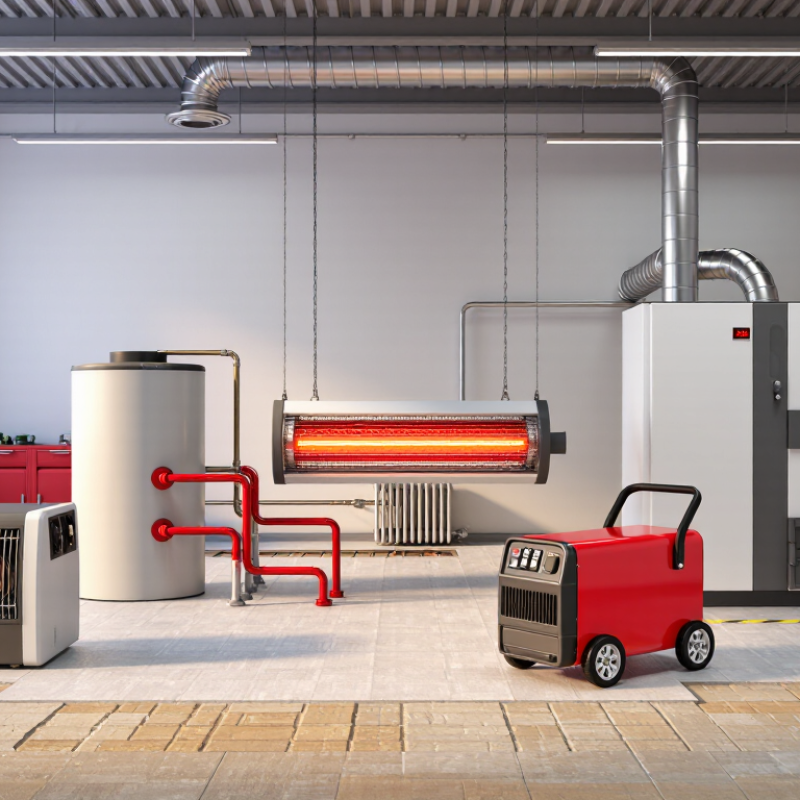
What Is a Fuel Oil Heater and How Does It Work?
A fuel oil heater burns liquid fuel to create usable heat. In a forced-air furnace, a pump sends oil through a nozzle. The nozzle atomizes it into a fine spray. An ignition system lights the spray inside a combustion chamber. Hot gases then warm a heat exchanger, while a blower moves heated air through household ducts. Exhaust leaves through a flue, not through the living space.
Fuel oil boilers use the same combustion principle. However, they transfer heat to water instead of air. Radiators, baseboards, or radiant-floor pipes distribute that heat. Portable oil-filled electric heaters are different. They contain no burning fuel and use electricity to heat sealed oil. The phrase “fuel oil heater” can create confusion.
The U.S. Energy Information Administration’s 2020 Residential Energy Consumption Survey reports about 4.2 million U.S. homes using fuel oil as their primary heating source. These homes are concentrated in the Northeast. The U.S. Department of Energy lists modern oil furnace efficiencies around 80% to 90% AFUE, depending on design and installation. A boiler may feel steadier, while a furnace heats rooms faster. Yet duct leakage can reduce real performance. The best type depends on climate, insulation, existing distribution, storage space, and maintenance access. I have found that an oversized heater cycles too often. That wastes fuel and creates uneven comfort. Efficiency ratings help, but they never replace a proper heat-load calculation.
2026 Top Fuel Oil Heater Types: Which One Is Best?
A fuel oil heater burns heating oil to produce heat. Depending on the design, a heat exchanger transfers energy to air or water, while a fan, radiator, or hydronic system distributes the heat. The chart compares typical thermal-efficiency ranges for common fuel oil heater types.
Typical efficiency ranges are generalized industry values, not brand ratings. Actual performance depends on model design, installation, maintenance, chimney losses, and operating conditions. Check the manufacturer’s certified efficiency or AFUE rating before purchasing.
Which Fuel Oil Heater Types Are Available in 2026?
In 2026, fuel oil heaters are available in several practical forms. Portable kerosene heaters suit temporary room heating, but they require fresh-air ventilation and careful fuel storage. Forced-air oil furnaces distribute heat through ducts and respond quickly in larger homes. Hydronic oil boilers heat water for radiators, underfloor loops, or domestic hot-water cylinders. Some newer boilers use condensing technology to recover heat from exhaust gases, although real performance depends on return-water temperature and installation quality.
Commercial users may also choose waste-oil heaters for approved used lubricating oil streams. These units can reduce disposal costs, but they need filtration, compatible fuel, and regular ash removal. They are not a simple household replacement for heating oil. Strong heat, quickly. Not every home.
The U.S. Energy Information Administration’s 2020 Residential Energy Consumption Survey reported that petroleum fuels supplied primary space heating for about 4% of U.S. homes, with far higher use in the Northeast. This regional pattern still matters when comparing storage tanks, delivery access, and winter demand. The U.S. Department of Energy identifies oil boiler efficiencies commonly around 80%–90% AFUE, while certified high-efficiency models can exceed that range. However, advertised efficiency can mislead when systems are oversized or poorly tuned. I would not call one type universally best. A technician should check heat loss, chimney condition, burner settings, and ventilation before selecting equipment. The reports also lag market changes, so local rules and fuel availability deserve a final review.
What Factors Should Guide Your Fuel Oil Heater Selection?
2026 Top Fuel Oil Heater Types: Which One Is Best?
What factors should guide your fuel oil heater selection? Start with the building’s actual heat load, not the largest available model. The U.S. Energy Information Administration’s 2020 Residential Energy Consumption Survey reports that space heating uses about 42% of household energy. Poor insulation, drafty windows, and high ceilings can change that demand sharply. A qualified technician should perform a room-by-room calculation before recommending a forced-air furnace or hydronic boiler.
Efficiency matters, but the rating needs context. The U.S. Department of Energy explains that AFUE measures seasonal heating efficiency, not total operating cost. Current ENERGY STAR criteria for oil-fired furnaces require at least 85% AFUE. Still, a higher-rated unit may perform poorly if ducts leak or the system is oversized. Bigger is not always better. That mistake remains common.
Fuel storage, burner adjustment, noise, maintenance access, and local winter temperatures also guide the choice. A condensing boiler may recover more heat from exhaust, but it needs suitable drainage and careful installation. A conventional unit may be simpler in an older property. The International Energy Agency’s Energy Efficiency 2024 analysis continues to emphasize efficiency improvements as a practical way to reduce energy demand. Yet fuel prices can undermine projected savings. Check service records, nozzle condition, chimney draft, and annual consumption before deciding. No checklist is perfect.
Which Fuel Oil Heater Is Best for Different Heating Needs?
Choosing the best fuel oil heater depends on the building, heating schedule, and available fuel system. In 2026, forced-air heaters remain practical for workshops, garages, and large open rooms. They heat quickly by pushing warm air through a duct or outlet. However, moving air can spread dust and create uneven temperatures.
Hydronic boilers suit homes, offices, and buildings with radiators or underfloor piping. They provide steady heat and feel quieter than many air heaters. Portable oil heaters can help in temporary work areas, but they usually lack the power for whole-building heating. They also need stable placement, clear ventilation, and regular inspection. Small details matter.
For agricultural buildings or heavy-duty workshops, waste-oil heaters may reduce operating costs when permitted fuel is available. Their performance depends heavily on fuel quality and burner maintenance. A dirty nozzle can cause smoke, odor, or poor combustion. This is easy to overlook. Heater sizing deserves careful attention too. An oversized unit may cycle frequently, wasting fuel and wearing components. An undersized unit may run continuously without reaching the target temperature. Check insulation, ceiling height, door openings, and local ventilation rules before choosing equipment. Efficiency ratings help, but they do not replace a proper heat-loss calculation. A model that looks ideal on paper may perform poorly in a drafty room.