2026 Top Smart Plug Outlet Trends for Global Buyers?
As the smart home industry continues to evolve, the "Smart Plug Outlet" is gaining significant attention for its practicality and versatility. Industry expert Dr. Emily Carter, a leading voice in smart technology, notes, "Smart Plug Outlets are revolutionizing how we interact with our devices." This insight highlights their growing impact on daily life.
Consumers are increasingly drawn to Smart Plug Outlets for their cost-effectiveness and energy-saving potential. These devices allow users to control appliances remotely, monitor energy usage, and enhance home security. With the rising trends of sustainability and smart living, more global buyers are considering integrating these outlets into their homes.
However, challenges persist. Users may find it difficult to choose from the wide array of options available. Additionally, concerns about compatibility with existing devices can lead to hesitation. Reflecting on these issues is crucial for making informed decisions. As the Smart Plug Outlet market grows, understanding these dynamics will be essential for anyone looking to purchase these innovative devices.
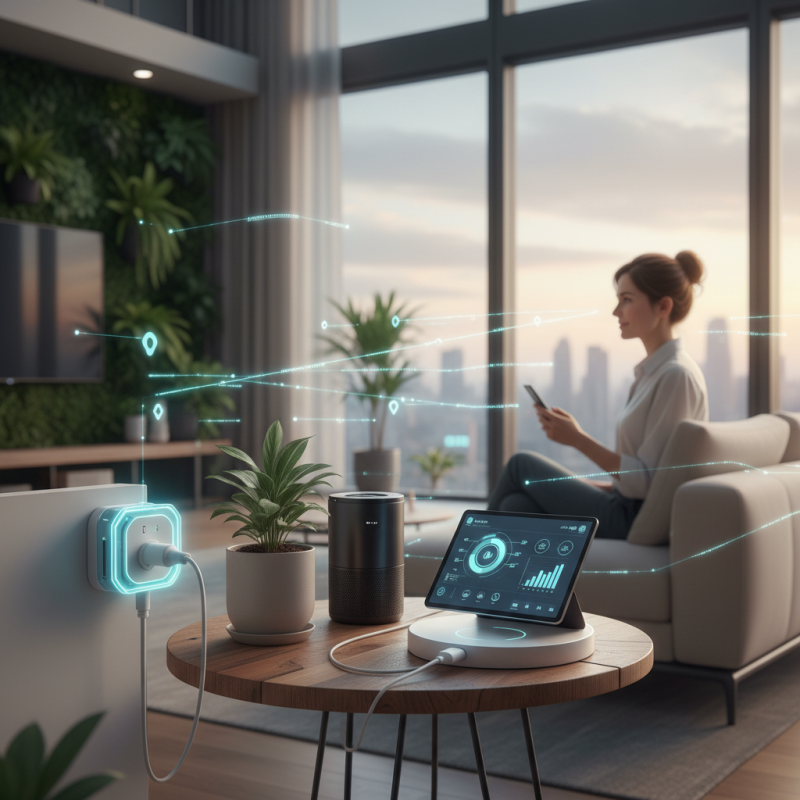
Emerging Smart Plug Outlet Technologies Shaping 2026 Market Trends
The smart plug outlet market is evolving rapidly. According to a report by MarketsandMarkets, the global smart plug market is projected to reach $4.41 billion by 2026, driven by technological advancements and increased consumer awareness. Emerging technologies in smart plug outlets are significantly shaping the market landscape. For instance, integration with artificial intelligence enhances energy management.
Another trend is the rise of voice-controlled smart plugs. Research shows that 65% of smart home users prefer voice commands for convenience. This aligns with consumer demand for seamless home automation. Additionally, energy monitoring features allow users to track energy usage in real time. Data from Statista indicates that smart plugs can help reduce energy costs by up to 30% when used effectively.
However, challenges remain. Interoperability issues between devices still create frustration for users. Ensuring compatibility across platforms is essential for widespread adoption. Moreover, as cybersecurity concerns grow, manufacturers must prioritize robust security measures. The future may require a balance between convenience and safety. As the landscape shifts, continuous innovation will be key to addressing these challenges.
2026 Smart Plug Outlet Trends
Key Features and Functionalities to Look for in Smart Plugs in 2026
As we look toward 2026, smart plug outlets are expected to evolve significantly. Users should prioritize features that enhance convenience and efficiency. Look for plugs with energy monitoring capabilities. These help track usage patterns and can lead to smarter energy consumption. A plug that monitors energy can also suggest when to unplug devices.
Flexibility is another crucial aspect. Smart plugs must support multiple protocols for connectivity, such as Wi-Fi, Zigbee, or Bluetooth. This incorporates a variety of smart home devices seamlessly. Compatibility is often an overlooked detail. Buyers should ensure the plug works with existing devices.
Security features are vital in today's tech landscape. Encrypted connections are essential to protect user data. However, not all models offer robust security. It’s also worth noting that user reviews highlight confusion about setup processes. A plug that is intended to be user-friendly may still pose challenges. Buyers should research how to troubleshoot potential issues in advance.
2026 Top Smart Plug Outlet Trends for Global Buyers
| Feature | Description | Importance Level |
| Voice Control | Integration with virtual assistants like Alexa, Google Assistant, and Apple HomeKit for hands-free operation. | High |
| Energy Monitoring | Tracks energy consumption to help users manage electricity usage and costs. | High |
| Scheduling | Allows users to set specific times for devices to turn on/off automatically. | Medium |
| Compact Design | Small size enabling multiple smart plugs to fit into a standard outlet without blocking adjacent sockets. | Medium |
| Remote Access | Control devices from anywhere using a smartphone app or web interface. | High |
| Compatibility with IoT | Works with a variety of smart home systems and devices for seamless integration. | High |
| Surge Protection | Protects connected devices from power surges and fluctuations. | Medium |
Sustainability and Energy Efficiency in 2026 Smart Plug Designs
The future of smart plugs in 2026 centers on sustainability and energy efficiency. Buyers are becoming more aware of their environmental footprint. As a result, manufacturers are innovating. They focus on using recycled materials and eco-friendly designs. This shift reflects a growing demand for products that minimize harm to the planet.
One trend is integrated energy monitoring. Smart plugs can now track energy usage in real-time. This data allows users to identify energy waste in their homes. There is also potential for solar-powered smart plugs. These devices could further reduce reliance on the grid. As technology advances, we may see even greater integration with smart home systems.
Tips for choosing eco-friendly smart plugs:
- Look for models with Energy Star ratings.
- Consider those made from sustainable materials.
- These features help ensure you make a positive impact.
- Always compare different options to find the best fit for your needs.
Reflecting on this, it's crucial to remember that not all products labeled
"green" deliver the promises they make.
Prioritize research to ensure that your choices align with your values.
Consumer Preferences and Buying Trends for Smart Plugs in 2026
As we move toward 2026, consumer preferences for smart plug outlets will continue to evolve. Users seek appliances that enhance convenience while offering extensive functionality. Smart plug outlets must integrate seamlessly into daily life. Features like remote control, energy monitoring, and voice activation are becoming essential. These characteristics enhance user experience and ensure efficient energy consumption.
Consumers are also increasingly aware of energy efficiency. Eco-friendly options are gaining popularity. Buyers look for devices that track usage and suggest better habits. This shift indicates a growing concern about sustainability. Some users may feel overwhelmed by too many features. Simplification may be key for retaining these customers.
Tips: When purchasing a smart plug, consider the ease of use. Look for models that offer straightforward app integration. Check compatibility with your existing smart devices. Furthermore, prioritize options that provide clear energy-saving insights. Understanding which functions are genuinely beneficial can help inform choices. Balancing convenience with usability may reflect future buying trends.
Global Market Insights: Regional Demand for Smart Plugs in 2026
The global market for smart plugs shows distinct regional demands as we look towards 2026. Different areas are experiencing unique growth trends based on their specific needs. For instance, North America prioritizes energy efficiency and convenience. In contrast, Europe is emphasizing sustainability. Buyers here show a keen interest in products that reduce carbon footprints.
In Asia, the demand for smart technology rises rapidly. Countries like China and India are investing heavily in smart home devices, driving innovation in smart plugs. These markets show a preference for multifunctional plugs that integrate seamlessly with other smart home devices. However, challenges arise. Not all regions have standardized regulations, leading to confusion for consumers.
Some buyers might feel overwhelmed by the various options available. It's essential to understand personal needs before making a purchase. Features like voice control, energy monitoring, and app integration are crucial but may vary in reliability. Ultimately, awareness of regional trends can help guide selection. Choosing the right smart plug is not just about technology; it's about aligning with personal and environmental goals.