2026 Top Passive Fire Protection Trends You Should Know?
The landscape of passive fire protection is rapidly evolving. According to a recent report by the National Fire Protection Association (NFPA), passive fire measures can reduce fire-related deaths by 80%. This statistic emphasizes the critical role these systems play in building safety.
As we approach 2026, several trends are emerging. Enhanced materials, like intumescent coatings and fire-resistive glass, are becoming more popular. These innovations offer improved protection without sacrificing aesthetics. Furthermore, the adoption of smart technologies in passive fire design is on the rise. Integrating real-time monitoring systems can provide crucial data during emergencies.
Yet, not everything is perfect. Some industry professionals express concerns about the increasing complexity of passive fire systems. This complexity can lead to installation errors or misinterpretations of building codes. Proper training is essential to mitigate these risks, and ongoing education must become a focus. Understanding and implementing passive fire safety measures is not just a regulatory hurdle; it is a critical necessity for future safety.

Emerging Technologies in Passive Fire Protection for 2026
Emerging technologies in passive fire protection for 2026 focus on enhancing safety while minimizing risks. New materials are being developed to improve fire resistance. For instance, intumescent coatings are gaining traction. These coatings expand when exposed to heat, creating a barrier that protects structural elements. This kind of innovation could transform how buildings withstand fire.
Another interesting trend is the use of advanced insulation materials combined with fire-resistant designs. These materials not only provide heat retention but also prevent fire spread. They integrate seamlessly into existing structures. The overall impact could lead to a significant reduction in fire-related damages. However, the effectiveness of these materials in real-world settings remains to be fully analyzed.
Additionally, the move towards smart technologies is noteworthy. Sensors and monitoring systems are increasingly being integrated into passive fire protection strategies. These tools provide real-time data, helping teams respond quickly. But this reliance on technology raises questions about potential failures and dependencies. Balancing innovation with practical safety measures will be essential in 2026 and beyond.
Innovative Materials Enhancing Fire Resistance and Safety Standards
Innovative materials are reshaping fire protection. These advancements aim to improve safety and compliance with stringent regulations. Fire-resistant coatings are gaining attention. They delay heat transfer and prevent ignition. This technology is essential in high-risk environments.
Another promising area is intumescent materials. When exposed to heat, they expand and form a thick, insulating char. This provides critical time for evacuation in emergencies. New composites are also being developed. These materials combine strength and lightweight properties, enhancing structural integrity during a fire.
These developments raise questions about sustainability and long-term performance. How do we balance effectiveness with environmental impact? There are still challenges in ensuring that these materials perform consistently over time. Continuous research and innovation are vital to addressing these concerns. The future of fire protection relies on both creativity and responsibility.
Regulatory Changes Influencing Passive Fire Protection Practices
The landscape of passive fire protection is rapidly evolving. Regulatory changes are a key factor driving this shift. New codes and standards demand higher levels of safety. Buildings must now meet stricter regulations for fire resistance. Inspections are becoming more detailed, increasing the pressure on construction teams.
Recent updates emphasize the importance of materials used in construction. Fire-rated wall systems are under scrutiny. Designers must choose components that comply with updated fire safety codes. Training for contractors is also critical. Some lack awareness about the latest requirements, leading to potential compliance issues.
In addition, there’s a growing trend towards sustainability. Regulations now encourage the use of eco-friendly materials that do not compromise fire safety. This is a complex balance to achieve. Many projects struggle with integrating both aspects effectively. Continuous education and adaptation are essential for meeting these challenges head-on. Stakeholders need to be proactive in understanding these changes to improve fire protection outcomes.
Integration of Passive Fire Protection in Building Design and Architecture
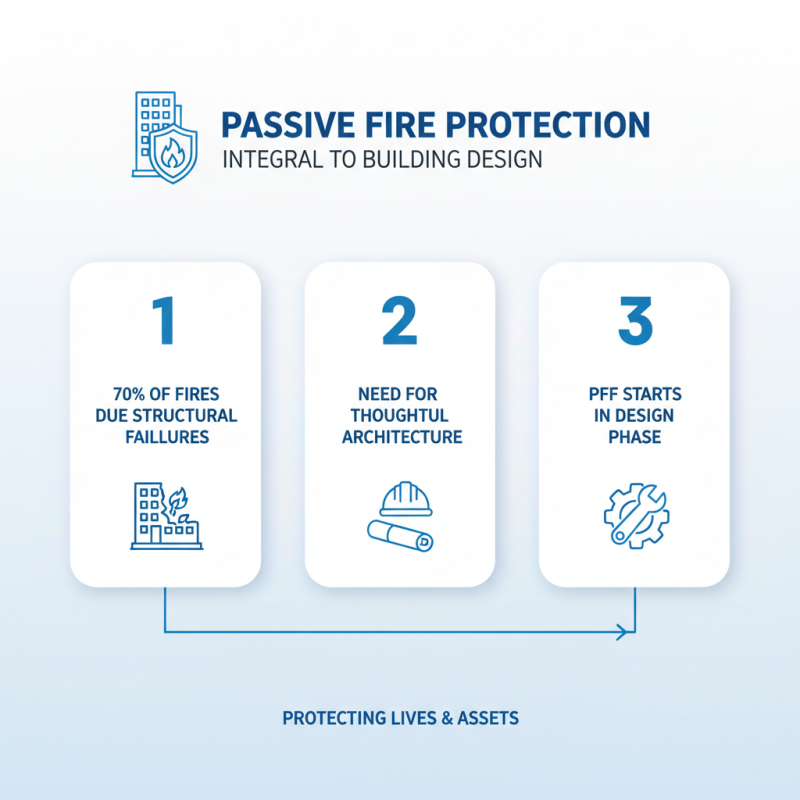
The integration of passive fire protection (PFP) in building design is becoming increasingly important. According to a recent report, nearly 70% of building fires are attributed to structural failures. This statistic highlights the need for a thoughtful approach to architecture that incorporates effective PFP measures. Architects and engineers are recognizing that the design phase is crucial for implementing PFP strategies adequately.
A well-integrated PFP system can delay the spread of fire and smoke, allowing occupants more time to evacuate. For instance, the use of fire-resistive materials in walls and floors can contain flames, reducing damage and increasing safety. However, studies indicate that only 40% of new buildings currently meet recommended PFP standards. This gap presents a significant challenge and calls for architects to reevaluate their designs.
Moreover, aesthetic considerations often overshadow PFP capabilities. The challenge is to balance beauty and safety effectively. Some professionals may overlook essential PFP elements to achieve a sleek appearance. This reflects a need for ongoing education and awareness within the architectural community. Building codes are evolving, but the lack of universal compliance remains a concern. Architects should advocate for better PFP integration. Ultimately, a culture of prioritizing safety in design is vital.
Sustainable Practices and Environmental Considerations in Fire Safety
In recent years, sustainable practices are becoming essential in fire safety. According to the National Fire Protection Association, about 76% of fire protection professionals believe that sustainability is crucial for future developments. This statistic highlights a growing commitment to integrating eco-friendly materials and methods into fire safety practices.
One emerging trend is using recycled materials for passive fire protection. Studies show that products made from recycled content can reduce environmental impact. However, the challenge remains: can we guarantee the same level of safety and reliability? Concerns linger about the performance of these materials under extreme conditions. Moreover, certifications for recycled products may not always meet industry standards.
Manufacturers are exploring solutions that are both effective and environmentally friendly. Yet, as we push for innovation, there is a risk of overlooking testing protocols. Fire safety should never be compromised for sustainability. The industry must balance ecological benefits with the primary goal of protecting lives. Ultimately, as we advance towards 2026, the need for responsible, sustainable fire protection practices will undoubtedly shape the future, but critical evaluation remains vital.