2026 Top Trends in Aluminum Door and Window Markets in Japan?
The aluminum door and window market in Japan is evolving quickly. With technological advancements and changing consumer preferences, the landscape is shifting. Aluminum Door & Window in Japan is gaining traction for its durability and modern aesthetic. Industry experts observe a blend of functionality and design in these products.
Sustainable practices are becoming essential. Many manufacturers are now focusing on eco-friendly materials. This trend reflects growing environmental awareness among consumers. However, there are challenges, such as the need for innovation and cost-effectiveness. Some companies may struggle to balance quality and pricing.
Moreover, the rising demand often leads to supply chain issues. It raises questions about over-reliance on specific suppliers. Future growth requires strategic planning and risk management. These elements will shape the aluminum door and window market in Japan. Stakeholders will need to adapt to these dynamics to remain competitive.
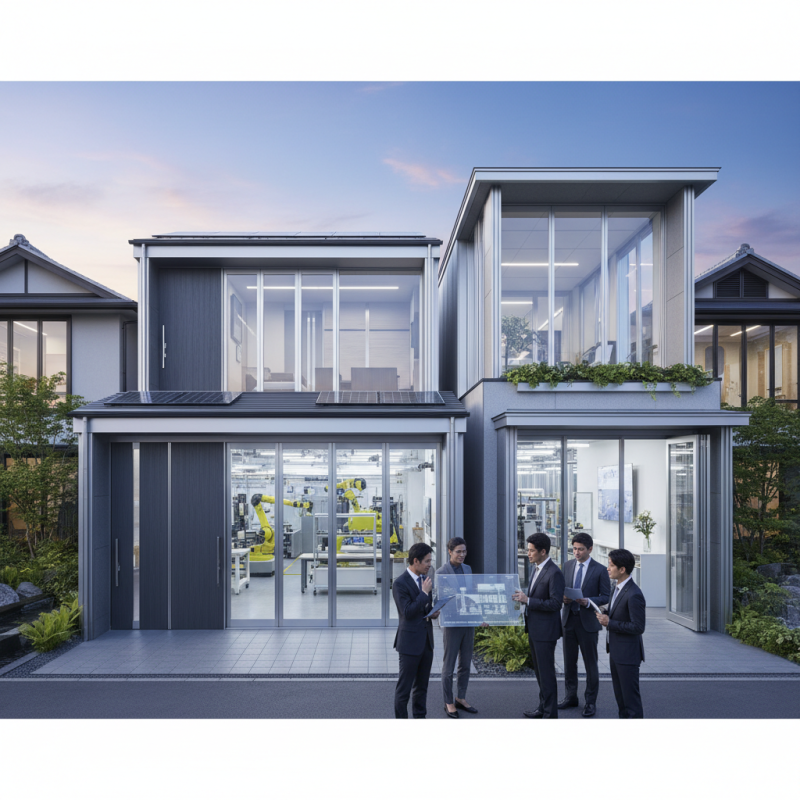
2026 Japan Aluminum Door and Window Market Overview and Growth Projections
The 2026 Japan aluminum door and window market is poised for significant growth. Analysts project a compound annual growth rate (CAGR) of 4.5% over the next several years. Increased demand for energy-efficient buildings drives this trend. Additionally, the push for sustainable construction methods encourages the adoption of aluminum due to its recyclable nature.
Japan's commitment to reducing carbon emissions is influencing market dynamics. Energy-efficient aluminum doors and windows consume less energy and improve insulation. Reports indicate that around 60% of new residential projects include aluminum frame products. This aligns with government initiatives to promote eco-friendly building standards.
Tips: Consider the climate when selecting aluminum products. Proper insulation and design can enhance energy savings. Regular maintenance of aluminum frames ensures longevity and performance. Thoughtful aesthetics can elevate building value. Investing in high-quality materials ultimately leads to better returns. Every decision counts in this evolving market landscape.
2026 Top Trends in Aluminum Door and Window Markets in Japan
| Trend | Description | Growth Rate (%) | Market Share (%) |
| Sustainability | Increasing demand for eco-friendly materials and production processes | 8.5 | 25 |
| Smart Technology | Integration of smart technology for enhanced security and convenience | 10.2 | 20 |
| Design Innovation | Trends towards modern designs with improved aesthetics | 7.0 | 18 |
| Thermal Efficiency | Increased focus on energy-efficient products | 9.3 | 22 |
| Customization | Growing preference for customizable design solutions | 6.8 | 15 |
Key Drivers Influencing the Aluminum Door and Window Trends in Japan
In Japan's aluminum door and window market, several key drivers are shaping trends for 2026. The growing demand for energy-efficient solutions stands at the forefront. Homeowners increasingly seek products that reduce energy consumption, aligning with Japan's commitment to sustainability. This demand propels manufacturers to innovate, focusing on thermal insulation and energy-saving features.
Technological advancements also play a vital role. Smart home integration is on the rise, with consumers eager for automation and connectivity. Aluminum windows and doors are evolving to incorporate smart sensors and IoT devices. This offers convenience but presents challenges in terms of cybersecurity. Innovators must address vulnerabilities to gain consumer trust.
Additionally, aesthetic preferences are shifting. Minimalistic and modern designs attract attention. However, not all consumers appreciate this trend; some favor traditional styles. It creates a diverse market that demands products catering to varying tastes. Balancing innovation with these preferences remains a complex task for manufacturers in the aluminum segment.
Technological Innovations Shaping Japan's Aluminum Door and Window Sector
The aluminum door and window sector in Japan is undergoing significant transformations due to technological innovations. Smart technology integration is becoming prominent. Motion sensors and automated locks enhance security and convenience. Many homeowners appreciate these features, though they may require regular updates and maintenance.
Sustainability is another critical trend. Companies are adopting eco-friendly processes. This includes using recycled aluminum and energy-efficient manufacturing techniques. However, not all manufacturers meet these standards. Consumers must research to ensure their choices align with environmental goals.
Design advancements also play a vital role in shaping this market. Sleeker frames and larger glass panels are in demand. These features improve aesthetics and increase natural light in homes. Yet, balancing style with energy efficiency remains a challenge. Too much glass can lead to heat loss if not properly insulated. The progress in this sector is commendable, but it prompts reflection on the long-term impacts of these innovations.
Market Segmentation Analysis: Residential vs. Commercial Uses in 2026
In 2026, the aluminum door and window market in Japan is poised for significant growth. A recent report indicates that residential applications are projected to dominate the market, accounting for around 65% of total sales. This trend is driven by the increasing demand for energy-efficient solutions in homes. Innovations in insulation technology have made aluminum a preferred choice for residential buildings.
Commercial applications will not lag far behind. They are expected to witness a growth rate of around 4% annually. Businesses are seeking durable and aesthetically pleasing options. However, the growth is not without challenges. High costs and stringent regulations around building materials may hinder some projects.
Market segmentation reveals further insights. Urban areas show a higher adoption rate of aluminum doors and windows. These regions prioritize modern designs and sustainability. Yet, rural areas struggle with awareness and affordability. Stakeholders must reflect on these barriers to ensure broader market access.
Sustainability Trends: Eco-friendly Practices in Japan's Aluminum Industry
In recent years, Japan's aluminum door and window market has showcased a significant shift towards eco-friendly practices. According to a report by the Japan Aluminum Association, around 68% of industry players are now prioritizing sustainable materials. This focus not only signifies a commitment to environmental preservation but also addresses the increasing consumer demand for green building solutions.
Some manufacturers are adopting recycled aluminum for their products. This practice reduces energy consumption by up to 95% compared to producing new aluminum. It also generates less waste, promoting a circular economy. However, achieving a balance between quality and sustainability presents challenges. Some products may not meet durability standards, leading to potential consumer dissatisfaction.
Tip: When selecting aluminum windows or doors, inquire about their recycled content. This helps ensure you're supporting sustainable practices. Additionally, check certifications to understand the environmental impact.
Moreover, advances in energy-efficient coatings are reshaping the market. New technologies can improve thermal performance without compromising aesthetics. However, gaps in knowledge about these innovations can hinder adoption. It's vital for industry professionals to keep abreast of such trends. These innovations represent an opportunity for both and environmental responsibility.