What Are the Benefits of Pre Fabricated Houses for Buyers
Pre Fabricated Houses have gained popularity in recent years. These homes offer unique advantages to buyers, making them an attractive option. One of the key benefits is the speed of construction. Traditional building methods can take months or even years. However, Pre Fabricated Houses can often be completed in a matter of weeks. This efficiency appeals to many buyers eager to move into their new homes.
Additionally, Pre Fabricated Houses provide cost savings. They often require less labor and materials than conventional homes. Buyers can save thousands of dollars. Yet, it is essential to consider the long-term value. Some may find that customization options are limited compared to traditional builds.
Finally, sustainability is another critical aspect. Many Pre Fabricated Houses utilize eco-friendly materials. This can lead to a smaller environmental footprint. Buyers looking to reduce their impact may find this appealing. However, not all manufacturers prioritize sustainability equally. Research is vital to ensure a responsible purchase.
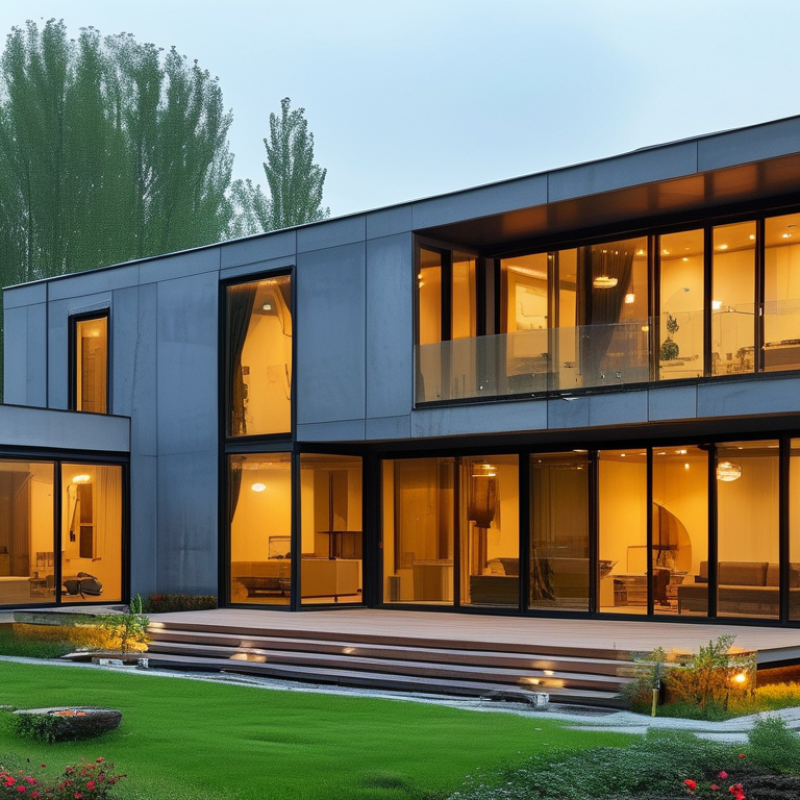
Advantages of Prefabricated Houses in Cost Efficiency
Prefabricated houses, often referred to as prefab homes, offer several advantages in cost efficiency for buyers. One of the most significant benefits is the reduction in construction time. Traditional homes can take months to complete, while prefab houses are built in factories. This process allows for a quicker assembly on-site, which translates to reduced labor costs. Many buyers find this financial benefit attractive.
Additionally, prefab homes are designed with energy efficiency in mind. They often include high-quality insulation and energy-saving systems. This results in lower utility bills over time. Buyers can appreciate the long-term savings that come from these energy-efficient features. However, while the initial costs may be lower, it’s essential to consider potential resale value. Some buyers might hesitate, fearing that the market doesn’t fully value prefab homes as much as traditional ones.
Another factor to consider is customization. Many prefab manufacturers offer various designs, but these options may be limited compared to traditional building methods. Buyers should weigh the benefits of lower costs against the desire for a unique, tailored home. While prefab houses provide a budget-friendly solution, they may also limit personal expression in design choices. In the end, prospective buyers should carefully assess their priorities and financial goals.
Energy Efficiency and Sustainability of Prefabricated Homes
Prefabricated homes are gaining popularity, especially for their energy efficiency and sustainability. A report by the U.S. Department of Energy states that these homes can reduce energy consumption by up to 50%. This is largely due to their efficient construction methods, which minimize waste and optimize materials.
Many prefabricated homes utilize advanced insulation techniques. The use of high-performance insulation ensures lower energy costs. Homes designed this way can lead to significant savings on heating and cooling. Additionally, features like energy-efficient windows and solar panels are common. These upgrades offer potential homeowners a path to reduced utility bills and a smaller carbon footprint.
However, some challenges persist. Not all prefabricated homes are built equally. Variability in construction quality can influence energy performance. Buyers should conduct thorough research and inspections. It's crucial to verify energy ratings and sustainability certifications. Potential buyers must critically evaluate their options to ensure they are making an informed decision.
Construction Speed: How Prefabrication Reduces Building Time
Prefabricated houses are transforming the construction landscape. One major advantage is the speed of construction. Traditional building can take months or even years. In contrast, prefabricated homes can often be assembled in a few weeks. This rapid timeline appeals to buyers eager to move in quickly.
The prefabrication process involves building components in a factory setting. This controlled environment allows for consistent quality and efficiency. As a result, weather delays become less of an issue. Components are pre-cut, measured, and assembled with precision. This attention to detail minimizes on-site errors. However, the reliance on factory production can lead to complexities in customization.
For buyers, this means faster occupancy. It can also reduce borrowing costs. The shorter construction schedule can decrease the overall financial burden during the building phase. Yet, some may find the limited options in design to be a drawback. Balancing speed with personalization is an ongoing consideration for many. Each decision impacts the overall satisfaction with the final product.
Customization Options in Prefabricated Housing Designs
Prefabricated houses offer exciting customization options that appeal to many buyers. Unlike traditional homes, they allow homeowners to choose layouts, materials, and features. According to the Modular Home Builders Association, over 80% of buyers are interested in specific design elements. This desire for personalization helps homeowners reflect their unique styles.
When designing a prefabricated home, buyers can select various modules, colors, and finishes. Some companies provide interactive design software, making it easy for consumers to visualize their ideas. Recent surveys indicate that around 70% of consumers prioritize energy-efficient options in their designs. This reflects a growing trend towards sustainability, but it also raises questions about the cost implications of such choices.
Customization can be a double-edged sword. While it enables individualized living spaces, it may lead to longer construction times. Some buyers may find the design process overwhelming. It’s essential for potential homeowners to balance their dreams with practical considerations. The desire for a fully customized prefabricated home is strong, but it requires careful planning and professional guidance.
Market Trends: Growth of Prefabrication in the Housing Industry
The housing market is experiencing a notable shift towards prefabrication. Recent reports indicate a 15% annual growth in the prefabricated housing sector. This trend is driven by increasing demand for sustainable and affordable living solutions. Many buyers are seeking efficient construction methods that reduce time and costs. Prefabricated homes can be built in a fraction of the time compared to traditional homes.
Experts highlight that these homes often use sustainable materials, enhancing their appeal. A study by the National Association of Home Builders found that 70% of consumers prioritize eco-friendly features when purchasing a home. However, challenges remain. Buyers may face limited customization options compared to site-built homes. It’s essential for potential homeowners to weigh these factors before making a decision.
Moreover, market analysts project further growth as technology advances. Automated manufacturing processes are becoming more common, improving precision and reducing waste. Yet, there's a need for quality control in this fast-evolving market. Faced with these complexities, buyers need to remain informed and consider both the benefits and limitations of prefabricated housing. As this market evolves, staying aware of trends will help ensure wise investments.
What Are the Benefits of Pre Fabricated Houses for Buyers - Market Trends: Growth of Prefabrication in the Housing Industry
| Benefit | Description | Market Trend | Growth Rate (%) |
| Cost Effectiveness | Lower construction costs due to efficient manufacturing. | Increasing value for budget-conscious buyers. | 15% |
| Time Savings | Faster delivery and assembly of homes compared to traditional methods. | Growing demand for quick housing solutions. | 20% |
| Sustainability | Utilizes eco-friendly materials and reduces waste during construction. | Rising trends towards environmentally responsible choices. | 25% |
| Customization | Flexibility in design options to suit individual preferences. | Increasing customer desire for personalized homes. | 10% |
| Quality Control | Manufactured in controlled environments resulting in higher quality standards. | Growing focus on quality assurance in home building. | 18% |