2026 Best Curtain Wall System for Global Buyers?
As global construction trends evolve, the curtain wall system market has gained significant attention. Industry reports indicate that the demand for curtain wall systems is projected to grow at a compound annual growth rate (CAGR) of 8.2% from 2023 to 2028. This growth is primarily driven by urbanization and energy-efficient building designs.
Leading experts, such as Dr. Emily Chen, an architect specializing in facade engineering, state that "the right curtain wall system can significantly enhance a building's energy performance." The intricacies of selecting an optimal curtain wall system are vast, ranging from material choices to design implications. Each decision can impact both aesthetics and efficiency, making it crucial for buyers to rely on informed expertise.
However, not every solution may suit a specific project. The challenge lies in matching the diverse needs of global buyers with the right curtain wall system. A flawed choice can lead to high costs and energy inefficiencies. Thus, the selection process requires careful consideration and expertise to avoid common pitfalls in design and implementation.
Overview of Curtain Wall Systems: Definition and Importance
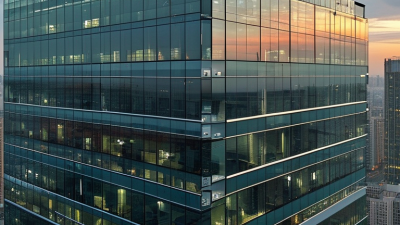
Curtain wall systems are critical in modern architecture. They are non-structural, often glass and metal façades used in tall buildings. These systems provide aesthetic appeal while ensuring energy efficiency. According to the Glass Association of North America, approximately 90% of commercial buildings use curtain walls for their design flexibility and performance.
The significance of curtain walls extends beyond fashion. They act as a buffer against environmental elements, contributing to energy savings. A recent report from the International Energy Agency suggests that buildings with efficient curtain wall systems can reduce energy costs by up to 30%. This statistic emphasizes their role in sustainable design. However, the installation and maintenance of these systems can be complex.
Moreover, curtain wall systems must comply with strict building codes. Ensuring proper installation is crucial. Even minor flaws can lead to water leaks and energy loss. An industry survey found that nearly 25% of curtain wall installations experience problems shortly after completion. This highlights the need for skilled labor and oversight. Therefore, while curtain wall systems offer numerous benefits, careful consideration and planning are essential.
Key Features to Consider When Choosing a Curtain Wall System
When selecting a curtain wall system, several key features demand attention. First, consider the thermal performance. An effective system should reduce energy costs and improve indoor comfort. Look for materials that provide excellent insulation. Glass options can vary in energy efficiency, so be mindful of the specific ratings provided.
Another aspect is structural integrity. Curtain walls must withstand wind loads and seismic activities. Ensuring your chosen system meets local building codes is crucial. Inspect firsthand the installation methods and manufacturing standards. They significantly influence the longevity of your investment.
When assessing aesthetics, evaluate how the curtain wall integrates with the building's design. A well-chosen system can enhance the visual appeal. Different finishes and textures should align with the overall architectural theme. Pay attention to the color options and how they will age over time.
Reflect on flexibility as well. A good curtain wall system allows for some adjustments during installation. Limitations in size or shape can lead to complications.
As you dive into options, remember: ask questions, seek expert opinions, and analyze past projects. The right choice today can lead to energy savings and aesthetic beauty for years to come.
2026 Best Curtain Wall System for Global Buyers
| Feature |
Description |
Advantages |
Considerations |
| Thermal Performance |
Ability to minimize heat loss and gain |
Energy efficiency, comfort, reduced HVAC costs |
Initial cost, maintenance |
| Water Infiltration Resistance |
Prevention of water penetration through the system |
Protects building integrity, reduces damage |
Testing standards, installation quality |
| Structural Integrity |
Resistance to wind loads and seismic activity |
Safety, durability, longevity |
Design limitations, material choices |
| Aesthetic Appeal |
Visual impact and architectural integration |
Enhances property value and attractiveness |
Design flexibility, community standards |
| Sustainability |
Use of eco-friendly materials and processes |
Reduces environmental impact, meets regulations |
Certification processes, cost implications |
Top Manufacturers of Curtain Wall Systems for Global Markets
When considering the best curtain wall systems for the global market, certain manufacturers continually stand out. They boast a combination of innovation and expertise. Many have extensive experience in this sector, indicating their capability to meet diverse architectural needs. These companies often invest in advanced technologies to enhance energy efficiency. This is crucial as sustainability becomes increasingly important in building design.
The curtain wall systems they produce show a range of materials and designs. This variety allows for customization, appealing to different aesthetic and functional requirements. However, it's worth noting that not all systems work seamlessly in every environment. Local climate, building codes, and specific project demands can influence performance.
Additionally, collaboration between architects and manufacturers is vital. Finding the right balance can be challenging. This dynamic often requires adjustments and compromises. A successful partnership should prioritize quality and reliability while allowing for creative freedom. This ensures the final product not only meets standards but also aligns with the vision of the project.
2026 Best Curtain Wall System Evaluation
This chart displays the evaluation of various features of the best curtain wall systems for global buyers in 2026, rated on a scale from 1 to 10. The categories assessed include energy efficiency, durability, aesthetic design, cost-effectiveness, and environmental impact.
Innovative Materials and Technologies in 2026 Curtain Wall Design
In 2026, curtain wall systems are set to undergo significant changes, driven by innovative materials and technologies. Architects are exploring lightweight composite materials that offer superior insulation properties. These new materials not only enhance energy efficiency but also contribute to the aesthetics of modern buildings. Transparency and natural light remain key factors in design, with advancements allowing for larger glass panels that minimize structural support.
Technological integration is essential in next-generation curtain walls. Smart glass technologies are gaining traction, providing dynamic insulation according to external conditions. This adaptability can reduce energy costs, essential in urban environments. However, reliance on technology also raises questions. What happens during a system failure? Questions about maintenance and longevity of smart materials need addressing before widespread adoption.
Sustainability continues to be a driving force. Curtain wall designs now incorporate recycled materials and earth-friendly production methods. Manufacturers face challenges in balancing cost and sustainable practices. The exploration of biophilic designs aims to connect people with nature, but achieving this while staying within budget can be difficult. As these advancements unfold, the industry must reflect on both their potential and their limitations.
Sustainability Trends in Curtain Wall Systems for Modern Architecture
Sustainability is becoming crucial in modern architecture. Curtain wall systems play a vital role in this trend. These systems are more than just aesthetics; they can significantly reduce energy consumption. Transparent materials can maximize natural light. This helps minimize reliance on artificial lighting. However, achieving sustainability isn't always straightforward.
Innovative designs integrate advanced insulation materials. These can enhance thermal performance. Yet, the challenge lies in balancing design with functionality. Not all materials are equally sustainable. Some may require extensive transportation, increasing their carbon footprint. This raises questions about the overall sustainability of the choices made.
Furthermore, the life cycle assessment of materials is critical. Evaluating the environmental impact from production to disposal is essential. Some systems may initially appear eco-friendly, but this can change over time. Continuous innovation is needed to push boundaries further. Architects must stay updated on emerging materials. Collaboration with engineers can foster better integrated solutions. This holistic approach is vital for true sustainability in curtain wall systems.