What is the Best Ev Car Portable Charger for Travelers?
When planning a road trip in an electric vehicle (EV), selecting the right EV car portable charger becomes crucial. Travelers must ensure they have a reliable power source to avoid range anxiety. The right charger should be compact, lightweight, and compatible with various EV models. Portable chargers vary in charging speeds and capacities, making it essential to choose wisely.
Many travelers overlook the importance of charging equipment. A portable charger can save time and reduce stress on the road. However, it's easy to underestimate its necessity until you're in a tight spot with a low battery. Consider factors like charge time and portability. Chargers that fit easily in a trunk or backseat are convenient but may lack power. A balance between size and efficiency is vital.
Moreover, not all EV car portable chargers are built the same. Some have features like fast charging capabilities or built-in safety mechanisms. Researching brands and user reviews helps in making an informed decision. While some options may seem enticing, they might not meet your travel needs. Understanding your requirements is essential for a smooth journey.
Understanding EV Portable Chargers: Key Features for Travelers
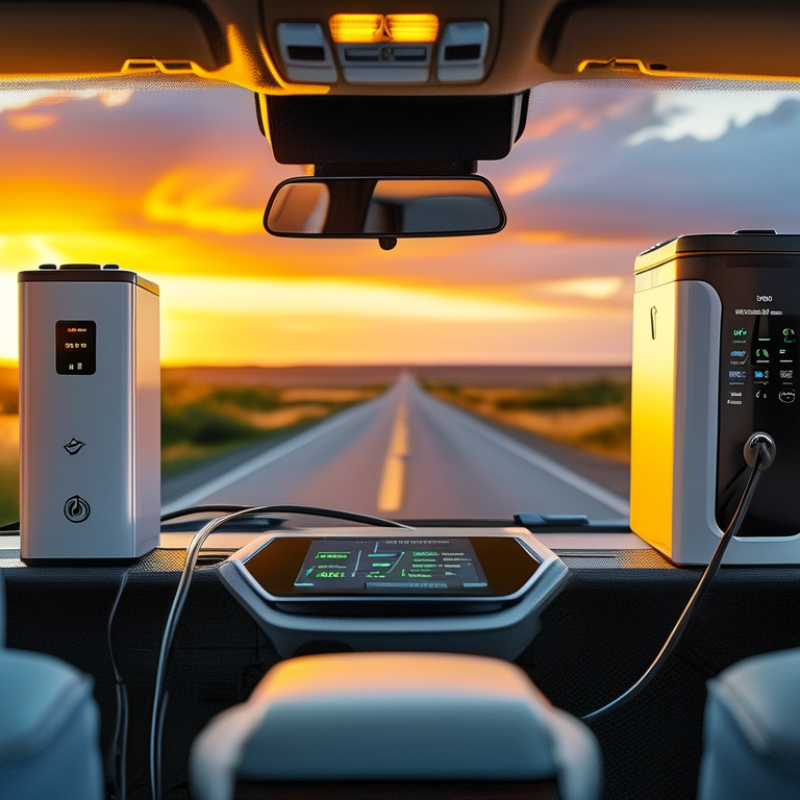
When traveling with an electric vehicle (EV), having a reliable portable charger is essential. Understanding the key features of portable chargers can help you choose the right one. Look for chargers with a high power output, allowing faster charging in limited time. A compact design is also crucial for easy transport. Larger power banks may be heavier, which isn't ideal for long trips.
Equally important is the compatibility with various EV models. Some chargers work with multiple brands, while others are specific. It's wise to check this before purchasing. A weatherproof casing can add durability. Travelers often face unpredictable conditions. A charger that endures rain or dust proves invaluable on adventurous trips.
Another feature worth considering is the length of the charging cable. Longer cables offer flexibility during charging stops. Sometimes, charging stations are located inconveniently. A longer cable can make all the difference. Additionally, reflect on the safety features in portable chargers. Overload protection and short circuit prevention ensure your device remains safe during use. Choosing wisely can prevent unpleasant surprises while on the road.
Best EV Car Portable Chargers for Travelers
Types of Portable Chargers: Level 1 vs. Level 2 Options Explained
When considering portable chargers for electric vehicles (EVs), it's crucial to understand the differences between Level 1 and Level 2 options. Level 1 chargers utilize a standard 120-volt outlet, making them widely accessible. They are slower, charging about 4-5 miles of range per hour. This option is ideal for overnight charging at hotels or homes.
Level 2 chargers operate at 240 volts, providing a much faster charging experience. They can add around 25 miles of range per hour. Many public charging stations utilize this type of charger, making them suitable for road trips. If you're planning longer journeys, Level 2 chargers are often a better choice.
Tip: Always check local charging station compatibility in advance. Some stations might require specific plugs or membership.
Consider your travel habits. If you often stay overnight at places with regular outlets, a Level 1 charger may be sufficient. However, for extended travels, a Level 2 charger can save you valuable time.
Tip: Keep a portable charger with you. This could benefit you in emergencies or when charging stations are scarce.
Choosing the right portable charger enhances your EV travel experience. Balance convenience and charging speed based on your needs. Make informed decisions to ensure hassle-free journeys.
Top Brands and Models: Best EV Chargers for Road Trips
When embarking on a road trip in an electric vehicle, a reliable portable charger is essential. Travelers need to ensure they can find charging stations and have a backup option. Many portable chargers vary in power output, portability, and features. Each matters when planning your journey.
A key tip is to choose a charger with a flexible voltage range. Some chargers work with both standard and fast charging stations. This versatility is crucial when you may encounter different charging infrastructure. Additionally, look for compact chargers that easily fit into your trunk or back seat. Weight can also be a consideration, especially if space is tight.
Safety features should not be overlooked. Protecting your vehicle's battery is paramount. A charger with overcurrent and overvoltage protection helps prevent damage. Travelers often face unforeseen challenges, like weather variations or remote locations. In such situations, having a durable and tested product is invaluable. Pay attention to build quality and user reviews for a more informed decision.
Portability and Design: Factors to Consider When Choosing a Charger
When searching for the best portable EV car charger, portability and design play crucial roles. A lightweight, compact charger can fit in luggage with ease. According to a recent study, around 70% of EV travelers prioritize portability in their selection process. As a result, manufacturers now aim for designs that facilitate on-the-go usability.
Charging cables should be durable yet flexible. Many travelers appreciate coiled cables that minimize clutter. A report from the Electric Vehicle Association indicates that charging speed also greatly influences user satisfaction. Look for chargers that offer high power output, ensuring quick top-ups during brief stops. Durability should not be compromised for design; quality materials extend the lifespan and reliability of chargers.
Tips: Consider size and weight before purchase. If you're traveling by air, verify charger compatibility with your EV model. Be aware that some chargers may not perform well in extreme weather conditions. A quick test before hitting the road can save you time and frustration. Always check user reviews to gauge real-world performance.
Charging Speed and Compatibility: What Travelers Need to Know
When it comes to choosing an EV car portable charger for travelers, two factors are critical: charging speed and compatibility. A report from the International Energy Agency indicated that fast chargers can significantly decrease downtime. Level 2 chargers, often found at public charging stations, typically deliver around 25-30 miles of range per hour. In contrast, DC fast chargers can provide up to 200 miles in just 30 minutes, making them ideal for road trips.
Travelers must also consider compatibility with their specific EV models. Not all chargers work with every electric vehicle. According to recent studies, around 40% of EV owners have faced issues due to charger incompatibility. This can lead to unplanned stops or delays. It's essential to check the specifications and connector types before heading out.
**Tips:** Always keep a portable charger in your trunk. Ensure that it matches your vehicle's requirements. Familiarize yourself with the charging stations along your route, especially in remote areas. Remember to download charging station apps to locate facilities with the fastest charging options. Being prepared can make all the difference on a long journey.