- Proudly Made in the USA

In the increasingly competitive market for fireproof glass, global buyers need reliable options that ensure both safety and quality. According to a report from the Fire Safety Research Institute, the demand for fire-resistant materials, including fireproof glass, is expected to grow by 7% annually, reflecting a heightened focus on fire safety in construction and design. Industry expert Dr. Emily Chen emphasizes, “Choosing the right fireproof glass is crucial for safeguarding lives and property.”
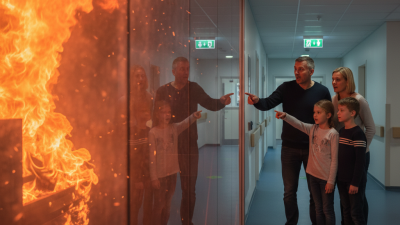
Fireproof glass provides an essential barrier against flames and smoke. It is indispensable in commercial buildings, schools, and residential properties alike. However, not all fireproof glass products are created equal. Some may fail to meet the rigorous standards set by safety regulations. This inconsistency raises concerns and necessitates thorough evaluations. Reports indicate that only 60% of fireproof glass types on the market meet the necessary fire-rating specifications.
More than just a safety feature, fireproof glass contributes to aesthetic design. Architects are increasingly integrating it into their projects. Yet, buyers must be cautious about quality. Relying solely on marketing claims without proper testing can lead to regrettable outcomes. Balancing safety with visual appeal remains a challenge for designers and builders in this evolving industry.
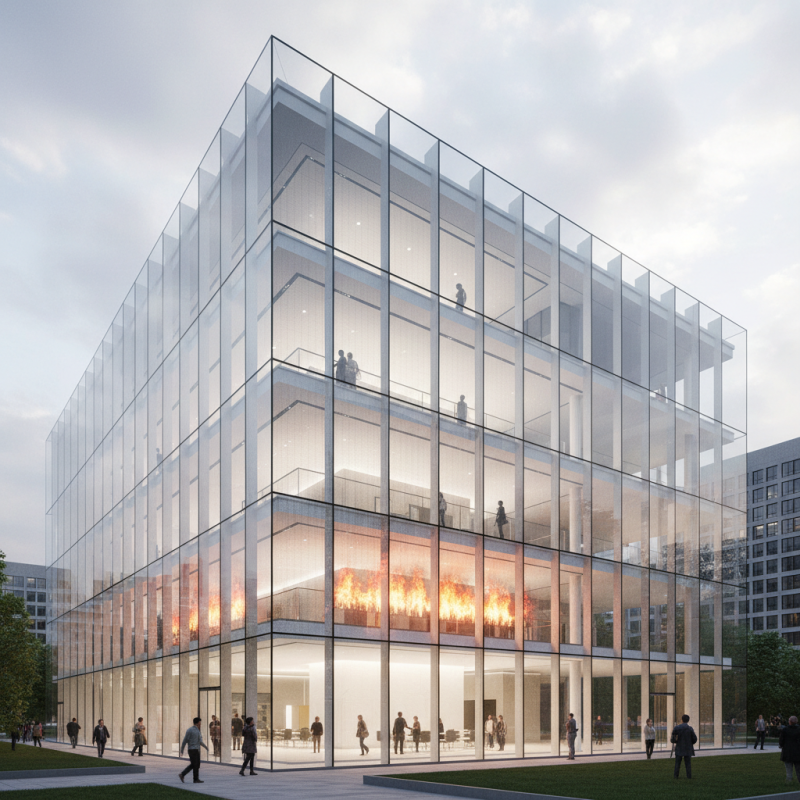
The demand for fireproof glass solutions is increasing globally as safety regulations tighten. In 2026, industries such as construction and automotive will require advanced materials. Fireproof glass is essential for protecting lives and property. It resists high temperatures and prevents the spread of flames effectively.
Market trends indicate a growing awareness of fire safety. Architects and builders are prioritizing fire-resistant materials. Innovations in manufacturing are also making fireproof glass more accessible. Various grades and styles cater to diverse consumer needs. However, challenges remain. Some regions still lack awareness about the importance of fire safety features.
The impact of climate change plays a role too. Extreme weather may lead to unexpected fires. Educating builders and homeowners is crucial. Reliable fireproof glass options can significantly improve safety in residential and commercial settings. Investing in awareness and education can enhance market growth, making it safer for everyone.
| Type of Fireproof Glass | Thickness (mm) | Fire Resistance (minutes) | Applications | Estimated Price (per sqm) |
|---|---|---|---|---|
| Tempered Fireproof Glass | 6-12 | 30-60 | Commercial Buildings | $100 - $250 |
| Laminated Fireproof Glass | 8-20 | 60-120 | Residential Use | $150 - $300 |
| Insulated Fireproof Glass | 12-40 | 120-180 | Industrial Facilities | $200 - $400 |
| Bullet-Resistant Fireproof Glass | 10-30 | 60-90 | Banks, Government Buildings | $300 - $600 |
Fireproof glass is essential for enhancing safety in various structures. It is crucial to understand performance metrics and ratings when selecting the best options. Many types exist, but not all offer the same protection. The most common ratings are EI, which indicates fire resistance for a specific duration, and toughened glass ratings that show impact strength. These ratings provide key insights into the effectiveness of a fireproof glass product.
When purchasing fireproof glass, consider factors beyond just resistance. Installation quality can greatly affect performance. A poorly fitted installation may compromise the glass’s ability to withstand fire. It is surprising how often this aspect gets overlooked. Proper sealing and edge finishing are critical. These technical details can make a significant difference in real-world scenarios, emphasizing that not every product is right for every situation.
Understanding thermal insulation is another vital feature. Some fireproof glasses also provide sound insulation, which can be beneficial in urban settings. A balance between fire safety and daily comfort may seem trivial, yet it plays a key role in overall building design. Users may find certain products lacking in specifics, which can lead to disappointment. Always investigate the full specifications before making a commitment.
The fireproof glass industry is rapidly evolving, with the global market projected to reach $5.8 billion by 2026. This growth reflects increasing demand for safety and security in both commercial and residential applications. As more regions adopt stringent building codes, manufacturers must innovate to meet these standards. Advanced technologies are pivotal in the production of fire-resistant glass, focusing on improving thermal insulation and structural integrity.
Top manufacturers are investing heavily in research and development. They aim to enhance product performance while maintaining affordability. A recent report highlights that 37% of industry leaders prioritize fire-resistant coatings. These coatings improve visibility during fire events. Regulatory compliance is a fundamental driver for innovation, pushing firms to explore novel materials and designs. Some companies are exploring eco-friendly options to align with sustainability goals.
However, challenges remain. The market must address inconsistent product quality and compliance across regions. Disparities in standards can lead to confusion among buyers. Technical limitations in manufacturing processes sometimes hinder advancements. Therefore, industry players must collaborate to improve transparency and reliability. Engaging in open dialogues can foster innovation while ensuring safety standards are uniformly met.
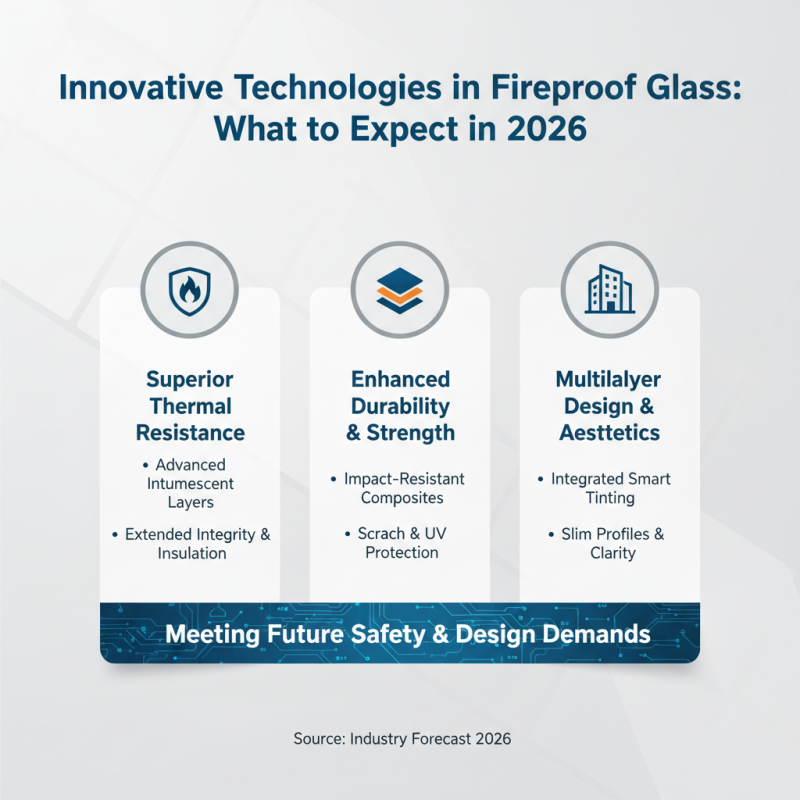
As we look toward 2026, the fireproof glass industry is poised for innovative advancements. Enhanced technology will play a crucial role in meeting growing safety demands. Expect developments in materials that provide superior thermal resistance and durability. These will include multilayer designs that offer both functionality and aesthetic appeal.
New manufacturing processes aim to optimize production efficiency. These methods could lead to lighter materials without compromising safety. Additionally, integrating smart technology into fireproof glass could emerge. Features like temperature sensing and self-healing properties will elevate safety measures.
However, challenges remain within the industry. Balancing cost and quality will be important for widespread adoption. Furthermore, the need for rigorous testing and certification processes persists. Stakeholders must reflect on how to effectively address these hurdles while embracing innovation.
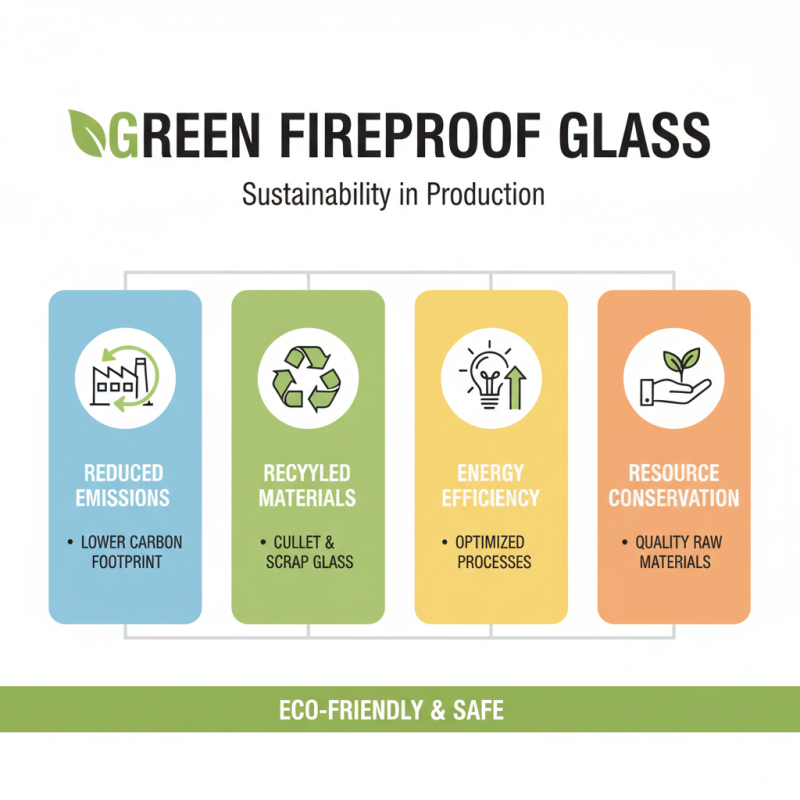
Sustainability in fireproof glass production is gaining importance. Manufacturers are increasingly aware of their environmental impact. The choice of raw materials is crucial. High-quality resources reduce waste and energy consumption. Recycled materials help minimize the ecological footprint.
Many producers are now exploring innovative methods. Eco-friendly bonding agents and coatings are being used. These options decrease harmful emissions during production. Additionally, companies are focusing on energy-efficient processes. However, achieving full sustainability remains a challenge. Some practices can still cause significant pollution.
Choosing the right fireproof glass involves more than safety. Buyers must consider environmental certifications. Transparency in sourcing materials is essential. Consumers demand reliability from manufacturers. Responsible production methods should be a priority for industry leaders.
Finding balance is an ongoing effort. The industry has made strides but must improve. A commitment to reducing overall impact is vital. Fireproof glass can be both safe and environmentally friendly with the right practices.
Whether you’re looking for fire-rated walls, doors, openings, floors or a specialty service, we have the solution for you. With over 40 years of experience in testing, innovating, and providing technologically advanced fire-rated glass and framing products, we deliver unyielding performance and quality at a competitive price.