Where to Buy the Best Grass Wall Panel in China?

Choosing where to buy the best Grass Wall Panel in China requires more than comparing online prices. Buyers must examine material quality, factory experience, customization ability, and export reliability. A convincing product photograph can hide uneven moss, weak backing, or inconsistent panel color.

Mia Chen, a China-based artificial landscape materials consultant with over ten years of sourcing experience, explains, “A beautiful panel is not enough; its backing and batch consistency matter more.” Her observation reflects a practical purchasing problem. Some suppliers offer attractive samples, yet later shipments may feel thinner or show visible shade differences. This happens.

A dependable supplier should provide clear specifications for panel size, foliage density, UV resistance, fire performance, and installation method. Ask for a physical sample before approving a large order. Touch the surface. Bend the backing gently. Check whether leaves detach easily. Request production photos, packaging details, and relevant test documents. A factory visit can reveal storage conditions, cutting equipment, and actual production capacity.

China has many Grass Wall Panel manufacturers, but they are not equally experienced. Established factories often support hotel projects, retail interiors, offices, and outdoor decorative applications. However, experience alone is not proof. Buyers should verify recent references and confirm whether the factory or a trading company will manage production.

The best choice balances appearance, durability, communication, lead time, and total landed cost. Cheap panels may become expensive after replacements, delays, or installation problems. This guide compares sourcing locations, supplier qualifications, product materials, inspection steps, and purchase risks. Some recommendations may not fit every project. That is worth remembering.
Where to Buy the Best Grass Wall Panel in China?

What Is a Grass Wall Panel and Where Is It Used?

A grass wall panel is a decorative surface made from synthetic grass, foliage, or textured fibers fixed to a backing grid. It creates a green visual effect without soil, irrigation, or regular trimming.

Most panels use polyethylene or PVC elements, while the backing may be plastic mesh or a lightweight frame. The details matter. A cheap-looking panel can appear flat under strong lighting.

These panels are used on reception walls, restaurant interiors, retail displays, balconies, exhibition areas, and outdoor facades. They can soften a concrete corridor or make a small café feel warmer.

In commercial projects, I recommend checking the panel’s UV resistance, flame-retardant documentation, color stability, and fixing method. Outdoor installation also needs secure anchors and protection from standing water. Grass panels are decorative, not structural.

When buying in China, request physical samples before placing a large order.

Compare blade density, backing strength, panel size, edge quality, and packaging. Ask for clear test reports from qualified laboratories, not only attractive product photographs. A reliable supplier should explain production tolerances and replacement procedures.

I once assumed dense foliage meant better quality; it did not. Some dense panels shed more fibers during cutting. Natural variation can look convincing, but excessive color differences may signal inconsistent production. Inspect the sample in daylight and under indoor lamps. That small step prevents expensive disappointment.


Which Types of Grass Wall Panels Are Made in China?

Where to Buy the Best Grass Wall Panel in China?

China produces several practical types of grass wall panels for homes, hotels, offices, and outdoor spaces. The most common panels use PE or PP synthetic grass, designed with dense blades and flexible backing. Some include boxwood, fern, ivy, or small flowering leaves for a more natural appearance. UV-resistant panels suit balconies and exterior walls, while indoor panels often focus on texture and color consistency.

Manufacturers also make modular vertical garden panels, mixed foliage panels, and acoustic grass panels. Modular pieces simplify installation around corners and windows. Acoustic versions may combine artificial greenery with sound-absorbing backing, although performance depends on the room and installation method. In sourcing projects, checking the panel weight, fire rating, backing strength, and color stability is essential. A low price can hide thin foliage or weak connectors. I have seen attractive samples lose their shape after rough transport. That detail is easy to overlook.

Tips: Request samples from several Chinese factories before ordering. Test bending, cutting, odor, and attachment points. Ask for UV and fire-resistance documents that match your market’s requirements. Confirm carton size and replacement-part availability. Photos can mislead. A physical sample speaks more clearly. Also, compare panel density under direct light, because empty spaces may appear after installation. The “best” panel is not always the thickest; it should fit the wall, climate, budget, and maintenance plan.

Where to Buy the Best Grass Wall Panel in China?

Which Types of Grass Wall Panels Are Made in China?

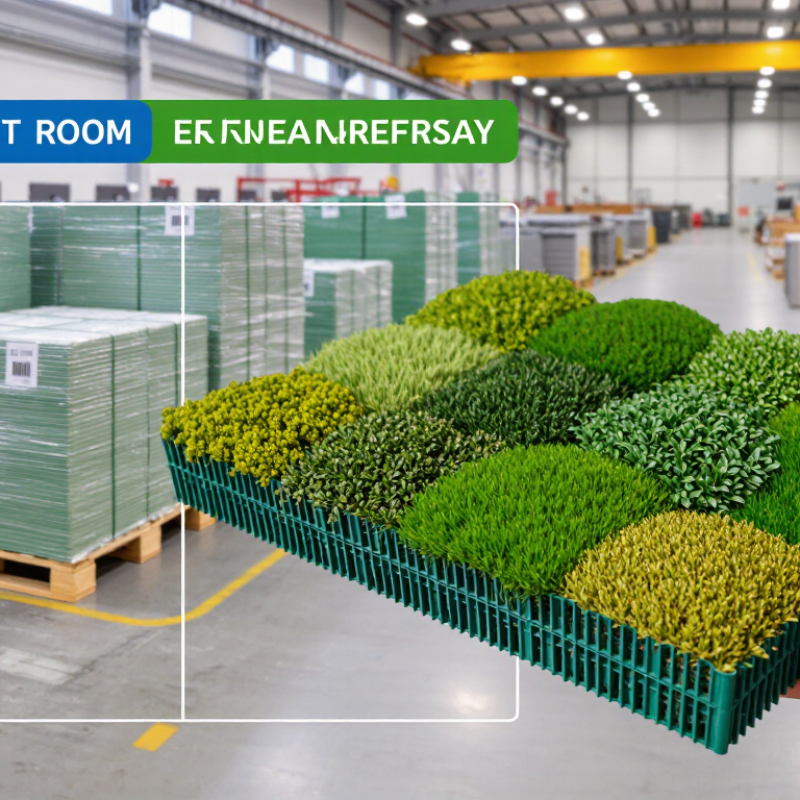
Chinese manufacturers commonly produce artificial grass, boxwood, ivy, moss, and modular vertical garden panels. The chart compares representative panel areas calculated from commonly offered formats. Actual dimensions, backing materials, UV resistance, and customization options may vary by supplier and project requirements.

How to Evaluate Grass Wall Panel Quality and Materials

Where to Buy the Best Grass Wall Panel in China?

How to Evaluate Grass Wall Panel Quality and Materials

Buying grass wall panels in China requires more than checking photographs and prices. A 2024 global artificial turf market report estimated the market at about USD 3.8 billion in 2023, showing strong demand but also wider quality differences. I inspect samples under direct light. Uneven green tones often reveal poor fiber mixing.

Check the backing first. A stable panel should use dense polyethylene or polypropylene fibers, with a firm grid that resists tearing. Pull several blades gently. Excessive shedding indicates weak tufting or poor adhesive control. The panel should also lie flat after unboxing. It should not smell strongly of chemicals.

Ask for laboratory test records, not vague claims. UV resistance should reference ISO 4892-3 or ASTM G154 testing. Fire behavior should match the destination market’s requirements, such as EN 13501-1 classification. For indoor projects, request material safety data and formaldehyde or VOC testing where applicable. These documents do not replace physical inspection.

Colorfastness matters. A wall near a sunny window can expose fibers to thousands of hours of light each year. I would request accelerated-aging results and compare pre-test and post-test photographs. Still, test reports can be incomplete. That is the uncomfortable part. Order a small batch first, measure panel thickness, record weight, and bend the corners repeatedly before approving bulk production.

Where to Find Reliable Grass Wall Panel Manufacturers in China?

Finding reliable grass wall panel manufacturers in China requires more than comparing catalog photos. I learned this after receiving a sample with attractive color but uneven backing. The lesson was simple. Inspect construction, not only appearance. Search through established sourcing platforms, trade exhibitions, and local manufacturing directories. Then verify each supplier’s business details, production address, and export experience. Ask whether the factory makes panels in-house or outsources them. This distinction affects consistency, timing, and accountability.

Request physical samples from at least three factories. Examine grass density, edge trimming, backing strength, odor, and color variation under daylight. Reliable manufacturers should provide material specifications, test reports, and clear production tolerances. For indoor projects, ask about flame performance, moisture resistance, UV stability, and cleaning methods. Requirements differ by destination. A qualified factory will discuss applicable standards instead of promising everything is “top quality.” That phrase means little without evidence.

Before ordering, arrange a video inspection or hire an independent auditor. Check cutting equipment, storage conditions, batch labeling, and final packing. Confirm sample approval procedures, minimum order quantity, lead time, replacement terms, and payment stages in writing. I also compare responses to technical questions. Fast replies are useful, but precise replies are better. My own process still has gaps; one overlooked packaging detail once caused crushed corners during transit. Reliable sourcing is not flawless. It is transparent, measurable, and willing to correct mistakes.

How to Compare Prices, Customization, and Shipping Options

Where to Buy the Best Grass Wall Panel in China?

China offers many grass wall panel suppliers, but the lowest quote rarely means the lowest landed cost. Grand View Research estimates that the global artificial turf market will continue growing at over 6% annually through 2030. This growth brings more factories, but also wider differences in backing quality, fire testing, and color stability.

Request prices by square meter, not by panel alone. Ask for pile height, material weight, backing type, edge finish, and packaging dimensions. A 40-millimeter panel may look fuller, yet it can increase carton volume and shipping costs. Custom colors, curved cuts, logos, and sample approvals also raise tooling or labor charges. Compare the complete quotation.

Shipping needs careful checking. UNCTAD’s Review of Maritime Transport reports that maritime shipping carries more than 80% of global merchandise trade by volume. Ocean freight is usually economical for large orders, but port handling, customs clearance, and inland delivery can change the final price. Request both FOB and DDP options when available. Confirm lead time in writing.

Small details matter.

A practical mistake is comparing factory prices without calculating waste. Cutting around columns or uneven walls may consume 8–15% extra material. That estimate is not universal. Site measurements can be imperfect. Ask for batch photos, sample cards, test documents, and a pre-shipment inspection. Reliable suppliers should explain limitations, not promise identical results in every climate.