China Best Fire Rated Interior Door Manufacturers
China Best Fire Rated Interior Door Manufacturers are evaluated through more than catalog images or attractive factory claims. A dependable supplier combines tested construction, controlled production, and clear technical documentation. This guide examines manufacturers producing a fire rated interior door for hotels, hospitals, offices, schools, and residential projects.
Performance begins inside the door leaf. Mineral wool or other approved cores, intumescent seals, steel frames, certified glazing, and heat-resistant hardware must work together. A door may look solid, yet poor edge protection can weaken its assembly during a fire. Buyers should review fire-test reports, rating periods, installation instructions, factory quality procedures, and project references. Details matter. Check hinge alignment. Check the label.
Experienced sourcing teams also compare moisture resistance, acoustic performance, surface finishes, lead times, and after-sales support. A manufacturer with export experience should explain how its products match the destination market’s building requirements. However, one certificate does not prove universal suitability. Standards differ, and installation errors can undermine tested performance. That limitation deserves honest attention.
This article introduces leading Chinese manufacturers through a practical, evidence-focused lens. It considers production capability, customization, quality control, testing transparency, and communication reliability. Site conditions still matter. A careful buyer should request current documents, verify test scope, and inspect samples before placing a large order. The strongest supplier is not always the cheapest. It is the one that can support safe, consistent performance from factory floor to finished doorway.
Fire-Rated Interior Door Standards in China
China Best Fire Rated Interior Door Manufacturers
Fire-Rated Interior Door Standards in China
Fire-rated interior doors in China are commonly evaluated under GB 12955, while building placement follows requirements in GB 50016 and newer mandatory fire codes. These standards assess the complete door assembly, not only the door leaf. The frame, hinges, closer, glazing, locks, and sealing materials all influence performance. Labels matter.
Typical ratings include Class A, B, and C fire doors, with different fire-resistance periods. A project may require 30, 60, or 90 minutes, depending on wall construction, corridor use, and evacuation design. The required rating should appear in approved drawings and technical specifications. Guessing from appearance is unreliable.
During factory and site checks, confirm the test report matches the actual door size, hardware, glass, and installation method. Intumescent seals should sit continuously in the frame. Door gaps must remain controlled, and self-closing devices should shut the leaf without forceful impact. Some suppliers present a strong test result for a similar model, but that difference can matter. It is also wise to verify conformity documents, inspection records, material thickness, and batch consistency. A well-painted steel door is not automatically fire-rated. This is an easy mistake, even for experienced buyers.
Core Materials and Construction Features
For fire-rated interior doors, core selection strongly influences heat resistance and structural stability. Mineral wool cores reduce heat transfer and resist flame exposure. Some assemblies use layered gypsum boards for added thermal protection. Others combine mineral fibers with steel reinforcement. Steel reinforcement helps the door resist warping during a fire. Core density alone is not enough. A door rating applies to the complete tested assembly, not just its inner material. This distinction is often missed.
Reliable construction depends on the leaf, frame, seals, hinges, and closing hardware working together. Intumescent seals expand when heated and close narrow gaps around the door edges. Fire-rated hinges and closers must match the tested door configuration. Vision panels require certified fire-resistant glass and secure glazing systems. Installers should control frame anchoring, floor clearance, and wall compatibility. Small gaps matter.
Experienced procurement teams should request test reports, material specifications, and installation instructions. Documents should identify the approved rating, exposure period, and assembly limitations. Site inspections can reveal loose seals, uneven frames, or unsuitable replacement hardware. A practical weakness remains: product brochures may simplify complex test conditions. Careful review is still necessary. No core can compensate for poor installation or unapproved modifications.
China Best Fire Rated Interior Door Manufacturers - Core Materials and Construction Features
The chart compares representative densities of commonly used fire-door core materials. Mineral wool, gypsum, calcium silicate, and vermiculite-based cores are non-combustible or highly fire-resistant materials frequently used in rated door assemblies, while honeycomb paper is generally unsuitable as the primary fire barrier. Actual performance depends on the complete tested construction, including core thickness, steel or timber facings, intumescent seals, glazing, hardware, and frame installation.
Manufacturing Processes and Quality Control
China’s best fire-rated interior door manufacturers control performance from material selection to final inspection. A typical door may combine a timber frame, mineral-based core, fire-resistant facing, and intumescent edge seals. Each layer must fit without hidden voids. Small gaps matter.
Manufacturing begins with moisture conditioning and accurate cutting. Controlled pressing helps prevent warping during storage and installation. Workers check core density, adhesive coverage, panel thickness, and door squareness at defined stages. CNC equipment improves repeatability, but skilled inspectors still catch crushed edges and uneven joints. Machines are not infallible.
Quality control continues after assembly. Inspectors verify hinge positions, latching clearance, seal continuity, and surface damage under strong side lighting. Samples may undergo furnace exposure, temperature monitoring, and smoke-leakage assessment through recognized testing laboratories. Results should connect to batch numbers, material certificates, and production dates. Records must be readable.
Reliable manufacturers also review failed samples instead of hiding them. A slight bow may reveal excessive pressing temperature or poor moisture balance. Corrective action should identify the cause, not merely replace the door. Applicable building codes and test methods must guide the inspection plan, because fire performance depends on the complete door assembly, including hardware and frame. Factory experience helps, but documented evidence remains essential.
Types of Fire-Rated Interior Doors
China Best Fire Rated Interior Door Manufacturers
Fire-rated interior doors are designed to slow flames, smoke, and heat during an emergency. Their performance depends on the complete door assembly, not the leaf alone. Common types include timber, steel, glazed, and composite fire doors. Each type suits different interior conditions.
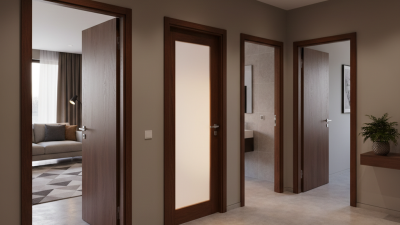
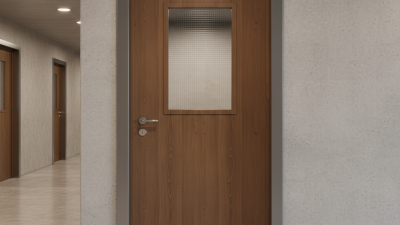
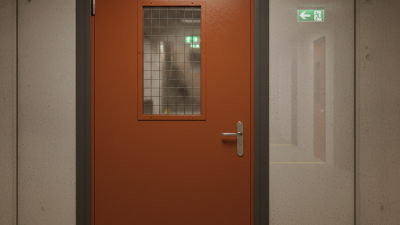
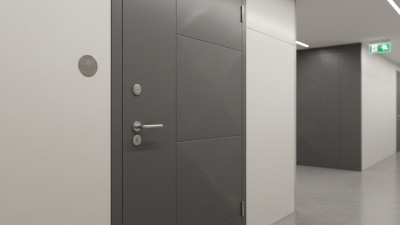
Timber fire doors offer a warm appearance for hotels, offices, and residential corridors. Their cores may contain mineral materials or other tested fire-resistant layers. Steel doors provide stronger impact resistance for utility rooms, stairwells, and service areas. They can feel less welcoming. Glazed fire doors allow daylight into corridors while using specially tested fire-resistant glass. Not every glass door has a fire rating. Composite doors balance weight, insulation, and appearance, but their core construction requires close inspection.
In practical projects, I check the tested rating, frame, seals, hinges, closer, and glazing together. A certified leaf with ordinary hardware may fail as an assembly. The label is not enough. Fire ratings often vary by model, size, installation method, and regional requirements. Designers should confirm documents from accredited testing bodies before ordering. I have seen teams choose a door by appearance, then discover that its frame depth or closer was unsuitable. That mistake is avoidable, although product documents are sometimes unclear. Interior moisture, traffic frequency, and cleaning chemicals also influence the choice, especially in hospitals and busy commercial buildings.
How to Evaluate Chinese Door Manufacturers
China Best Fire Rated Interior Door Manufacturers
How to Evaluate Chinese Door Manufacturers
A reliable evaluation starts with fire performance, not showroom design.
Ask for current test reports, product scope, and laboratory details. Confirm the tested door matches the proposed core, thickness, glazing, and hardware. A certificate alone proves little. Check its standard, rating period, and renewal date. Request a full-size sample when possible. Inspect the closer, hinges, seals, frame joints, and surface finish. Small gaps can become serious weaknesses.
Visit the factory, or arrange a live video audit. Observe steel cutting, welding, filling, assembly, and final inspection. Ask how workers record batch numbers and moisture conditions. Review rejection records, not only successful examples. Reliable manufacturers can explain corrective actions clearly. They should also provide drawings, packing photos, loading plans, and installation guidance. Communication matters here. Slow replies may expose later project delays.
Price comparisons need equal specifications.
Compare core density, coating system, hardware grade, packaging, and delivery terms line by line. Ask for an inspection plan with measurable tolerances. Independent pre-shipment inspection adds useful protection. Still, no evaluation is perfect. A factory may perform well during one visit and struggle during peak production. Keep a written approval sample and require change notices. That detail is easy to overlook.