China Top Safety Glass Windows Innovations and Their Benefits?
In the evolving world of architecture and construction, safety glass windows play a crucial role. With an increasing emphasis on building safety and energy efficiency, the demand for advanced safety glass innovations has surged. According to a recent report by MarketsandMarkets, the global market for safety glass is projected to reach USD 38.3 billion by 2026, growing at a CAGR of 9.6% from 2021. This growth reflects a heightened awareness regarding safety standards in urban development.
In China, innovations in safety glass windows are leading the charge. Manufacturers are integrating advanced technologies, such as laminated and tempered glass, to enhance impact resistance. These innovations not only provide security but also improve aesthetic appeal. However, despite these advancements, challenges remain in ensuring widespread compliance with safety regulations. Consumer awareness about the benefits and limitations of different materials is still relatively low, underscoring the need for targeted educational efforts.
Ultimately, while the progress in safety glass windows marks a significant step forward, the industry must continuously adapt. The ongoing development of innovative materials and designs must be paralleled by comprehensive consumer education. This will ensure that both builders and homeowners can make informed decisions about safety, performance, and energy efficiency.
Overview of Safety Glass Innovations in China
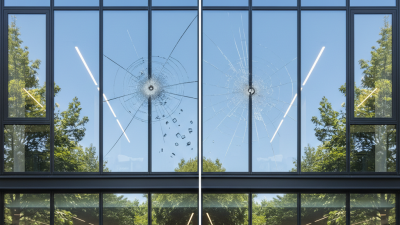
In recent years, China has made significant strides in safety glass technology. Innovations include laminated safety glass and tempered glass, which enhance durability and security. Laminated safety glass consists of multiple layers bonded together, making it resistant to shattering. This type of glass is frequently used in buildings, vehicles, and public spaces.
Tempered glass, on the other hand, is heat-treated to withstand higher impacts. When broken, it shatters into small, blunt pieces, reducing the risk of injury. These innovations not only improve safety but also promote energy efficiency in architecture. They allow for larger windows that maximize natural light without compromising on safety.
Tips: Consider the environmental impact when selecting safety glass. Some products are made with recycled materials. Always ensure compliance with local standards for installation.
Another area for reflection is the balance between cost and quality. While high-quality safety glass may cost more upfront, it can save money in the long run through reduced injuries and insurance costs. Proper installation is crucial. Even the best glass can fail if not installed correctly.
China Top Safety Glass Windows Innovations and Their Benefits
| Innovation Type |
Description |
Benefits |
| Laminated Glass |
Multilayer glass that holds together when shattered. |
Increased safety, noise reduction, UV protection. |
| Tempered Glass |
Heat-treated glass that is stronger and shatters into smaller pieces. |
Enhanced strength, reduced injury risk, thermal resistance. |
| Smart Glass |
Glass that can change its properties with electricity or light. |
Energy efficiency, privacy on demand, reduced glare. |
| Bulletproof Glass |
Composite glass designed to resist bullets and impact. |
Security for high-risk areas, peace of mind. |
| Self-Cleaning Glass |
Coated glass that breaks down dirt and grime using sunlight. |
Low maintenance, improved appearance, sustainability. |
Key Technologies Behind China’s Safety Glass Windows
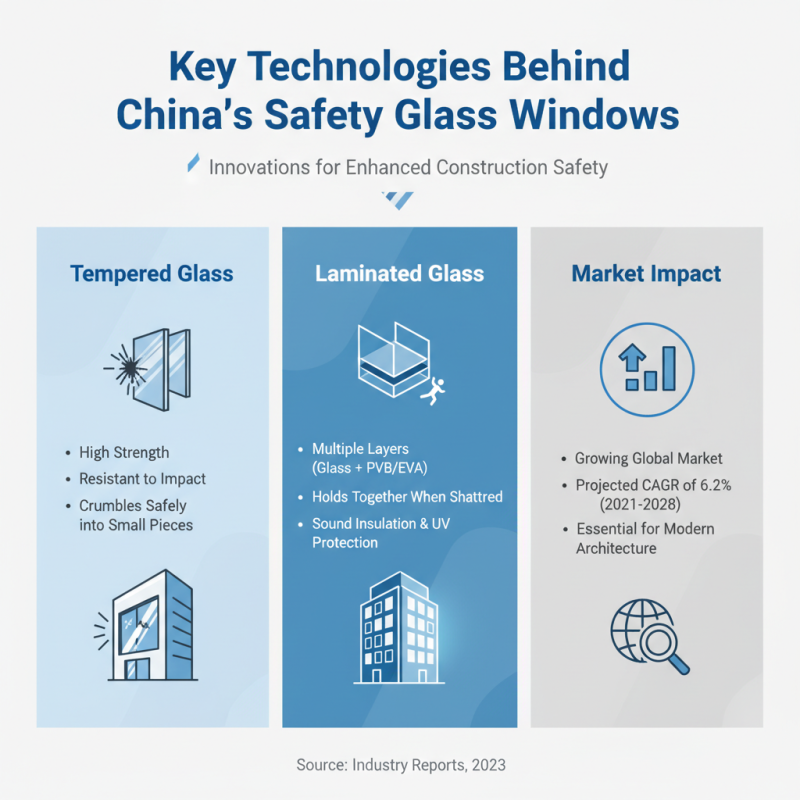
In recent years, China's safety glass window innovations have greatly improved construction safety. Key technologies such as tempered glass and laminated glass have become essential for modern architecture. These materials provide not only strength but also enhanced safety features. Reports indicate that the global safety glass market is expected to grow substantially, projecting a CAGR of 6.2% from 2021 to 2028.
Tempered glass undergoes a special heating process. This process increases its strength compared to regular glass. When shattered, it breaks into small, harmless pieces. Laminated glass, on the other hand, consists of layers of glass with a plastic interlayer. This design prevents shattering and improves sound insulation. Industry data shows that implementing these technologies can reduce injury risks by up to 80%.
Tips: Regular inspections can identify potential weaknesses in glass installations. Keeping up with advancements in glass technology enhances overall safety. It’s crucial to choose the right type of safety glass for specific applications. Optimizing design choices can lead to better energy efficiency and sustainability. Balancing aesthetics and function remains a challenge for many architects and builders.
Benefits of Using Advanced Safety Glass in Residential Buildings
Advanced safety glass technologies are changing the landscape of residential buildings. These innovations not only enhance safety but also improve energy efficiency. Homeowners are increasingly turning to safety glass for its numerous benefits, including better thermal insulation and noise reduction.
One significant advantage is increased protection against extreme weather. Safety glass can withstand high winds and heavy impacts, reducing the risk of breakage. This resilience protects both the occupants and the structure itself. Additionally, safety glass often comes with UV protection, which helps prevent interior fading.
Tips: Consider installing laminated safety glass. It provides enhanced security and blocks harmful UV rays. Double-glazed units are also worth exploring. They add extra insulation, keeping homes comfortable year-round.
Your glass choice matters. Be aware that not all safety glass is equal. Always consult with professionals when selecting materials for your home. Reflections on safety glass can reveal much about its effectiveness. Educating yourself on different types can save you money and enhance your living environment.
Impact of Safety Glass Innovations on Commercial Properties
Safety glass innovations have significantly shifted the landscape of commercial properties. These advancements enhance security, energy efficiency, and aesthetic appeal. For instance, laminated safety glass provides excellent resistance against impacts and breaks. When shattering occurs, the glass fragments adhere to the interlayer, minimizing injury risks. This feature is critical for storefronts and office buildings where safety is a priority.
Moreover, advanced safety glass can improve energy efficiency. Window coatings can reflect heat and UV rays, reducing cooling costs during hot months. This not only benefits the environment but also lowers operating expenses. Property owners are increasingly recognizing these financial advantages. However, choosing the right type of safety glass can be challenging. The market offers a variety of options, each tailored for different needs. It's essential to weigh these choices carefully.
Despite these benefits, one should not overlook potential drawbacks. Installing high-performance safety glass can be more expensive upfront. Some properties may also require structural reinforcements. Future maintenance and replacement may become more complicated as well. Balancing these factors is vital for making informed decisions about safety glass in commercial spaces.
Innovations in Safety Glass and Their Benefits
This chart illustrates the various benefits associated with the recent innovations in safety glass used in commercial properties. The high percentage values indicate significant improvements in areas such as durability, energy efficiency, noise reduction, UV protection, and cost benefits, highlighting the impact of safety glass technology in enhancing the functionality and sustainability of commercial buildings.
Future Trends in China’s Safety Glass Industry
China's 安全玻璃 industry is evolving rapidly. Recent reports indicate that the market size is expected to reach $15 billion by 2025. This growth is driven by rising demand in construction and automotive sectors. Innovations like laminated and tempered glass enhance safety and durability. These products offer better impact resistance, making them suitable for high-risk environments.
The trend of using smart glass is gaining traction. Smart glass can adjust opacity based on light conditions. This feature can reduce energy costs significantly. According to industry analysts, smart glass is projected to grow at a CAGR of 25% in the next five years. However, challenges remain in production costs and technology adaptation in traditional sectors.
Sustainability is becoming central to innovation strategies. Manufacturers are exploring eco-friendly materials and processes. This shift not only aligns with global sustainability goals but also caters to consumer preferences. Nonetheless, integrating new materials and techniques requires time and investment. The uncertainty in raw material availability could pose risks to continuous growth. Balancing innovation with reliability will be crucial in the coming years.