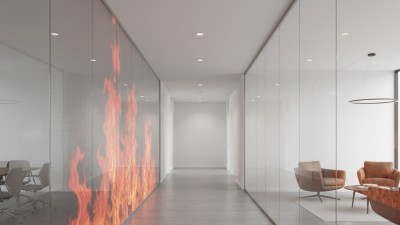
How to Choose 1 Hour Fire Rated Windows for Your Building

Choosing the right windows for a building can be challenging. One critical factor is fire safety. Specifically, "1 hour fire rated windows" are essential for many commercial structures. These windows provide crucial protection against fire spread, helping occupants escape safely. According to a recent report by Fire Safety Research Institute, buildings with proper fire-rated components reduce fire damage by up to 30%.

Expert Brian Wilson states, "Fire-rated windows are non-negotiable in life-safety design." His insights underline the need for quality materials and correct installation. Building owners must prioritize choosing the right products. It's easy to overlook this aspect, but doing so can lead to significant risks.

While there are many options on the market, not all meet safety standards. Selecting the right "1 hour fire rated windows" requires careful consideration of regulations and testing certifications. Rushing this decision can have dire consequences. Reflect on the fact that your choices directly impact lives and property. Always be thorough in assessing your options.
How to Choose 1 Hour Fire Rated Windows for Your Building

Understanding Fire Rating Standards for Windows

When selecting windows for fire safety, understanding fire rating standards is crucial. Fire-rated windows are designed to withstand heat and flames for a specified period. Typically, these ratings start at 30 minutes and can go up to several hours. A one-hour fire rating means the window can handle flames for 60 minutes. This aspect is vital for protecting occupants and property in case of fire emergencies.

Tips: Always check local building codes on fire ratings. This will help ensure compliance and safety in your designs.

Consider the materials used in the windows. Each material reacts differently to heat. Some might warp or crack under high temperatures. Glass thickness, frame materials, and coatings play a role in fire resistance. Also, don’t ignore window placement. Windows near fire hazards must have higher ratings for effective protection.

Tips: Consult with fire safety experts for specific recommendations tailored to your building. Their insights can prevent costly mistakes. Additionally, examine whether the window's installation meets the required standards. Poor installation can compromise fire performance, defeating the purpose of having fire-rated windows.
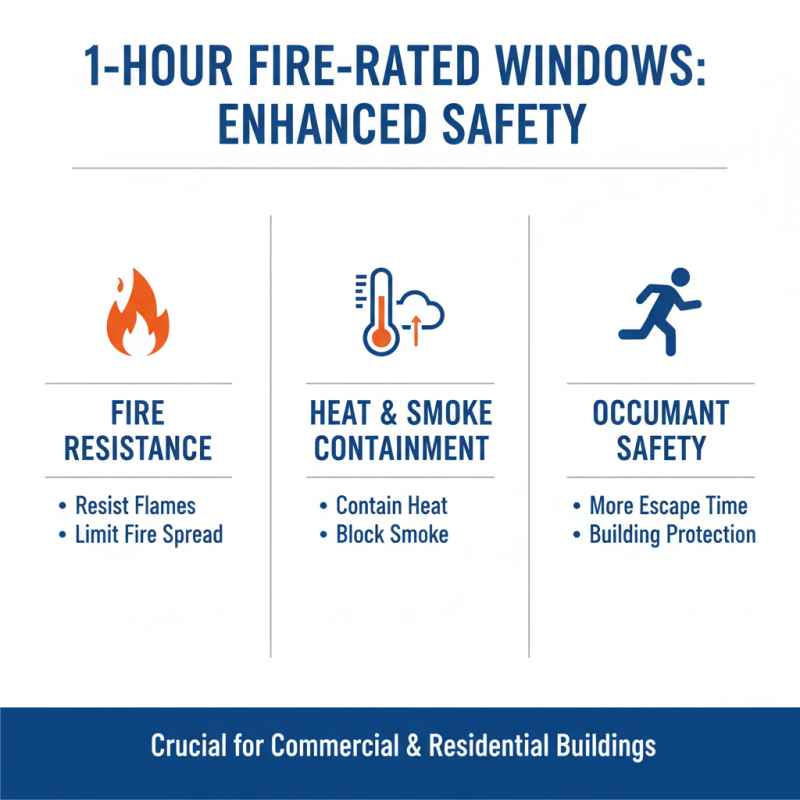
Key Benefits of 1 Hour Fire Rated Windows in Buildings

How to Choose 1 Hour Fire Rated Windows for Your Building

When selecting 1 hour fire rated windows, understanding their benefits is crucial. These windows can dramatically enhance safety in commercial and residential buildings. They are designed to resist fire and limit the spread of flames. Imagine a fire breaking out; these windows help contain heat and smoke, improving occupant safety.

Investing in 1 hour fire rated windows facilitates compliance with building codes. This is particularly vital in areas prone to fire hazards. They add a layer of security and peace of mind. However, it’s essential to consider installation and maintenance. Improper installation can negate these benefits. Regular checks are necessary to ensure their integrity.

Beyond fire safety, these windows provide energy efficiency. They can help regulate indoor temperatures, reducing energy costs. There is a need for balance, though. Aesthetic appeal must not be sacrificed for safety features. Homeowners should strive for both style and functionality. These decisions impact long-term satisfaction with your building.

Factors to Consider When Selecting Fire Rated Windows

When selecting fire-rated windows, several critical factors come into play. Fire resistance ratings are essential. Windows with a one-hour fire rating can withstand flames and heat for a significant period. According to a report by the National Fire Protection Association, improper installation can negate these ratings. Accurate fittings matter to ensure they perform correctly.

Another aspect to consider is the material. Steel frames typically offer better durability over time compared to wood. A 2022 study revealed that steel frames maintained their integrity in fire conditions better than other materials. However, they can be expensive. Weighing cost versus safety is a challenge every builder faces.

The glazing type also influences performance. Non-combustible glass is ideal, but it can affect visibility and aesthetics. Fire-rated windows sometimes display discoloration or distortion after exposure to heat. Transparency may decrease, which raises concerns for natural light in your space. Balancing safety with functional design requires careful thought and sometimes compromises.

Installation Requirements for 1 Hour Fire Rated Windows

How to Choose 1 Hour Fire Rated Windows for Your Building

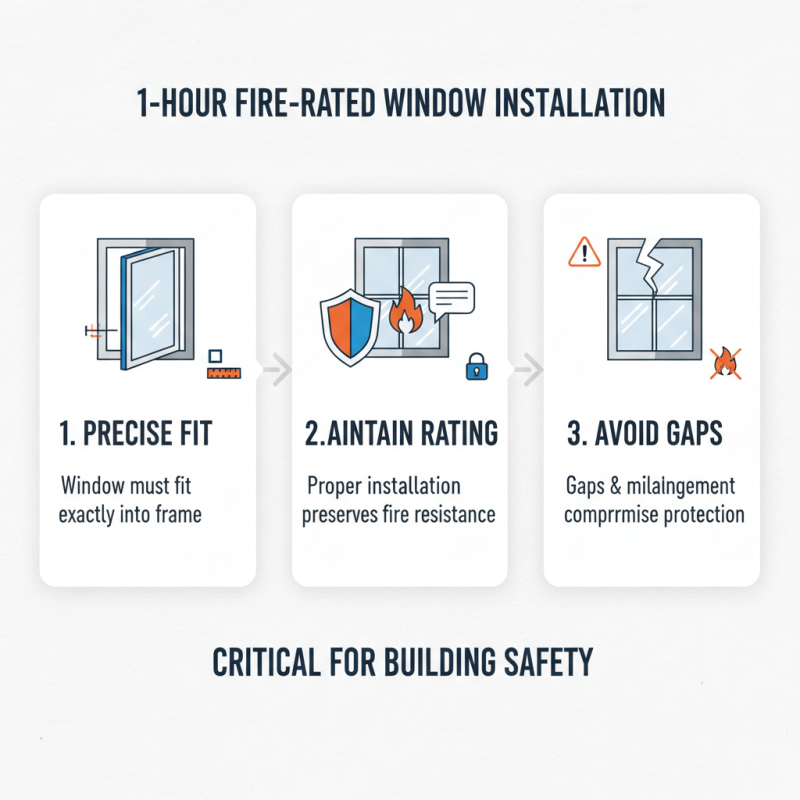
When selecting 1-hour fire rated windows for your building, installation is a critical step. Proper installation is essential to maintain the fire resistance rating. Each window must fit precisely into its frame. Gaps or misalignment can compromise protection.

The installation process involves careful planning and attention to detail. Begin by assessing the opening size to ensure an accurate fit. It’s important to check that the frame is level and square. If not, adjustments must be made before placing the window. Use appropriate sealing methods to minimize air gaps.

Consider the materials used for installation. Fire-rated caulks and flashing can enhance the window’s performance. Following manufacturer guidelines is essential. This can prevent common issues during inspections. Proper installation may seem simple but requires diligence and care to ensure safety. Reviewing installation practices regularly can help identify areas for improvement.

Maintaining Compliance with Fire Safety Regulations

When choosing 1-hour fire rated windows, compliance with fire safety regulations is crucial. These regulations often vary by location and building type. Understanding your local codes ensures that your choices align with legal requirements. Inspect the specifications of the windows. Verify that they are tested and certified according to the necessary standards.

Installation is as important as the windows themselves. Poor installation can compromise safety, rendering the windows ineffective. Look for experienced professionals who understand fire resistance. Sealing and framing details matter. Even minor gaps can allow smoke and heat to pass through. Regular inspections and maintenance of these windows are essential to ensure their effectiveness.

Consider the materials used in the window's construction. Some materials offer better fire resistance than others. Double-check the quality of the glass used. Thicker panes may provide better resistance. Be aware of common mistakes. Choosing windows solely based on aesthetics without considering safety features can lead to costly errors down the line. Reflect on these factors as you make your selection.