How to Choose Armored Fiber Optic Cable at China Import Export Fair?
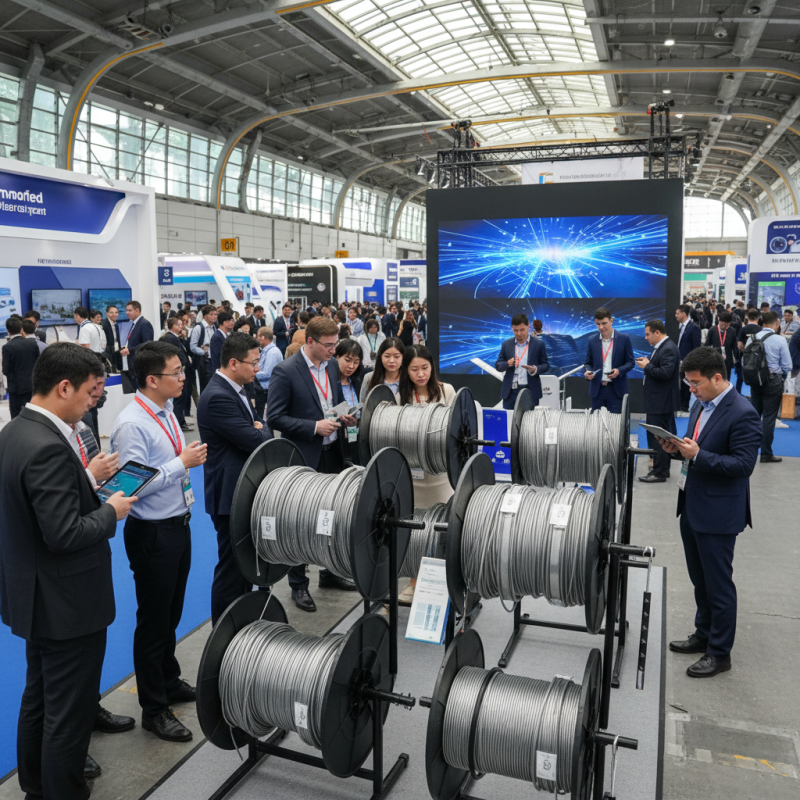
Choosing the right Armored Fiber Optic Cable can be daunting, especially at the China Import Export Fair. This event is a hub for manufacturers and suppliers. It connects buyers with a diverse range of products that can meet specific technical requirements.
Armored Fiber Optic Cables are designed for durability and protection. They can withstand harsh environments, making them ideal for various applications. At the fair, buyers can explore many options that include different types of armor. The fair runs from April to May 2026, featuring advanced manufacturing and other key sectors.
Navigating the vast exhibition space of 1.55 million square meters can be challenging. AI-driven search and navigation tools will help streamline the process. Buyers must ensure they choose certified suppliers. Attention to detail is essential. You should also reflect on your specific needs. Finding the right match requires time and diligence.
Key Considerations When Selecting Armored Fiber Optic Cables
When choosing armored fiber optic cables at the China Import Export Fair, several key factors come into play. First, consider the environment where the cables will be installed. Will they be exposed to harsh conditions or potential physical damage? Armored cables provide extra protection, but ensure the material of the armor matches your specific needs.
Tip: Always ask for samples. Testing a small section can reveal how the cable holds up against possible stressors.
Next, evaluate the cable's specifications. Look for parameters like bandwidth, distance, and transmission speed. Understanding these details can help you make a better choice. Also, think about future needs. Will your current choice be sufficient as technology evolves?
Tip: Balance cost and quality. Lower prices can tempt you, but don’t compromise on performance. A cheaper cable might require replacements sooner.
Lastly, communication with suppliers is crucial. Clear discussions about your requirements can prevent costly mistakes. Make sure to clarify any ambiguities. A perfect cable does not exist; it’s all about finding what works for you.
Understanding the Different Types of Armored Fiber Optic Cables
When choosing armored fiber optic cables, it's essential to understand the different types available. These cables have protective layers, making them resistant to physical damage. There are two main types: interlocking armor and corrugated steel tape armor. Each type offers unique benefits.
Interlocking armor is flexible and provides excellent mechanical protection. It's suitable for environments with high foot traffic or where cables may get abrasions. On the other hand, corrugated steel tape armor is more robust. It offers better protection against rodents and other environmental hazards.
Choosing the right type can be challenging. Factors like installation location and potential exposure to harsh conditions matter. Don’t overlook the importance of flexibility versus sturdiness. Each setting requires careful consideration. Reflecting on these aspects can lead to better choices for specific needs.
Evaluating Quality Standards and Certifications for Armored Cables
Choosing the right armored fiber optic cable requires careful evaluation of quality standards and certifications. Buyers should look for compliance with international standards. Certifications like ISO and IEC indicate that the cables meet expected safety and performance levels. Knowing these details can prevent costly mistakes.
When seeking armored cables, inspect the material quality. The armor type affects durability against physical impacts and environmental factors. Not all cables labeled as “armored” offer the same protection. Additionally, reviewing test reports can reveal performance under various conditions. Efficiency varies based on installation requirements.
Consider the manufacturer’s reputation as well. A lack of transparency in production may indicate potential issues. Reviews or feedback from previous clients can provide insights. Remember that even reputed brands can sometimes fall short on quality. It’s vital to remain vigilant and question.
Comparing Suppliers and Manufacturers at the China Import Export Fair
When selecting armored fiber optic cables at the China Import Export Fair, it's crucial to compare suppliers and manufacturers. Recent industry reports indicate that a significant portion of fiber optic demand comes from the telecommunications sector, expected to grow at a compound annual growth rate (CAGR) of 10% over the next five years. This growth implies fierce competition among manufacturers, making it vital to distinguish between them based on quality and reliability.
During your visit, examine the product specifications closely. Look for certifications that indicate compliance with international standards. Suppliers often showcase their technical capabilities through demonstrations. However, not every display is a true reflection of their actual products. Some manufacturers may exaggerate their offerings. Transparency is key. Ask questions about material sourcing and durability testing. Reports show that nearly 30% of purchases fail due to quality issues, underscoring the need for thorough vetting.
Furthermore, pricing can be misleading. A low-cost option may save money upfront but lead to higher maintenance costs. Data suggests that poorly manufactured cables can fail 50% more often than their higher-quality counterparts. Assess each supplier’s warranty and support services. This can indicate their commitment to product quality and customer satisfaction. Trust your instincts and gather plenty of information to make the best decision.
Best Practices for Negotiating Prices and Terms for Cable Purchases
When negotiating prices for armored fiber optic cables, understanding market trends is essential. Reports from industry analysts suggest a steady growth in optical fiber demand, projected to reach 416 million kilometers by 2026. This emphasizes the importance of striking favorable deals now.
Tips: Research current market prices and trends. Know what similar products cost. This knowledge can strengthen your negotiating position.
Always consider the total cost of ownership. Beyond the purchase price, installation and maintenance costs also matter. If a vendor offers a low price, check if they cut corners. This could lead to additional expenses down the road. Transparency during negotiations is crucial.
Tips: Request detailed quotes. Look for hidden fees and conditions. A clear understanding of terms can prevent future disputes.
Remember, flexibility is key. Be open to alternative products or modified terms. The best deal may not always involve the lowest price. Evaluate quality, reliability, and after-sales support. These factors can significantly impact long-term efficiency. Your due diligence in negotiations can pay off, leading to successful and satisfying purchases.