How to Choose the Best High Precision Soil Nutrient Tester IN-HT100?
In the pursuit of sustainable agriculture, selecting the right tools is crucial. The "High Precision Soil Nutrient Tester IN-HT100" stands out among soil testing devices. According to a 2022 report from the Global Soil Health Initiative, accurate soil nutrient assessments can boost crop yields by up to 30%. This highlights the importance of quality testing equipment.
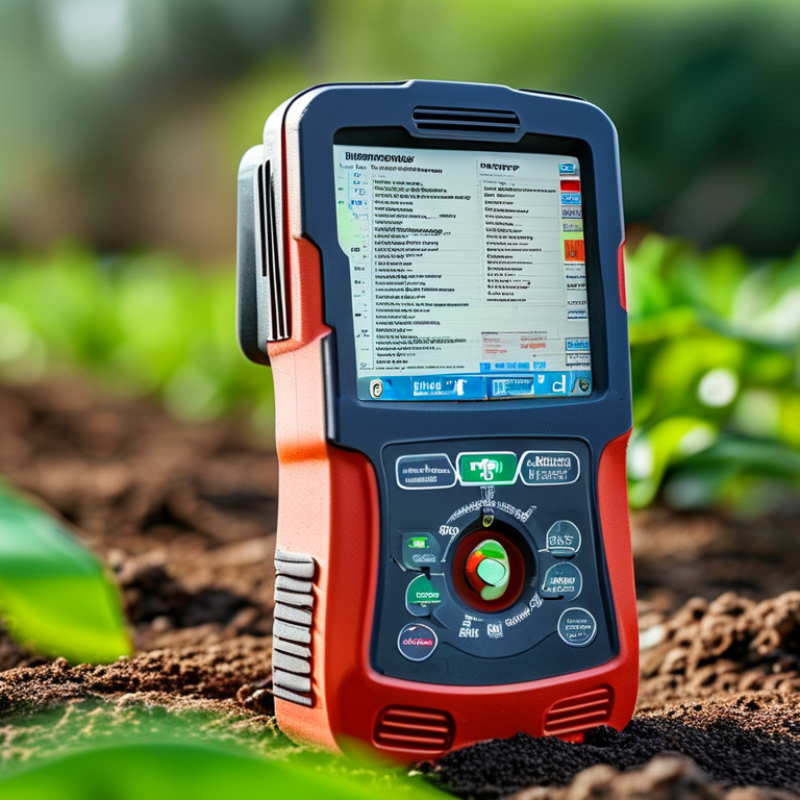
Experts in the field emphasize reliability. Dr. Lisa Green, a renowned soil scientist, stated, "A precise soil nutrient tester is essential for informed decision-making." The IN-HT100 offers advanced technology. It analyzes multiple soil nutrients with remarkable accuracy. This device ensures precise readings that can transform farming practices.
However, choosing the right tester is not without challenges. Users must consider factors like calibration, ease of use, and data interpretation. While the IN-HT100 is effective, it requires proper understanding for optimal results. The balance between cost and function also demands careful consideration. In this way, the journey to selecting the best high precision soil nutrient tester can lead to improved agricultural outcomes.
Understanding Soil Nutrient Testers: A Comprehensive Overview
Choosing a high-precision soil nutrient tester requires a deep understanding of soil nutrient testers and their functions. Soil nutrient testers can analyze essential elements like nitrogen, phosphorus, and potassium. These nutrients are vital for healthy plant growth. Research indicates that proper nutrient balance can boost crop yield by up to 20%. Accurate measurements can prevent over-fertilization and promote sustainable practices.
When selecting a tester, consider its resolution and calibration. Accuracy is crucial; even minor errors can lead to significant differences in fertilizer application. Many testers offer real-time data, which aids rapid decision-making in the field. However, data interpretation requires expertise. Users may need training to understand nutrient ratios effectively.
Tips: Always calibrate your tester regularly. Different soil types may affect readings. Consider local soil conditions before making adjustments. Remember, a tester’s precision can vary. Research the specific capabilities of different models. Testing only once may give an incomplete picture. Regular testing helps build a more reliable nutrient profile. While advanced models exist, less expensive options may suffice for small gardens. Evaluate your needs thoroughly.
Key Features to Look for in the IN-HT100 Soil Nutrient Tester
When selecting a high-precision soil nutrient tester like the IN-HT100, key features can significantly influence your gardening success. Begin by examining the product's sensitivity. A highly sensitive device provides accurate readings, ensuring you understand your soil’s nutrient levels. Calibration is another vital aspect; a device that requires frequent recalibration may not be reliable. Look for user-friendly designs that offer clear displays and intuitive settings, especially if you're new to soil testing.
Durability matters too. Soil can be harsh on equipment, so a tester that withstands various environmental conditions is essential. Check the battery life; frequent replacements can be annoying. Finally, consider the availability of customer support and warranty. Solid support can enhance your experience, especially if troubleshooting is necessary.
Even with advanced technology, results can sometimes be inconsistent. It’s wise to take multiple readings and average them. Understanding soil chemistry might take time, leading to learning curves. Embrace these challenges as part of the gardening journey. Having the right tools is just one step of many.
How to Choose the Best High Precision Soil Nutrient Tester IN-HT100? - Key Features to Look for in the IN-HT100 Soil Nutrient Tester
| Feature | Description | Importance |
| Accuracy | Measures soil pH, moisture, and nutrients with high precision. | Critical for obtaining reliable soil health data. |
| User Interface | Simple and easy-to-read display for quick access to readings. | Enhances user experience and reduces measurement time. |
| Portability | Lightweight and compact design for easy transport. | Allows for convenient usage in various locations. |
| Battery Life | Long-lasting battery enabling extended use before recharge. | Maximizes functionality and ensures it’s ready when needed. |
| Durability | Robust design to withstand harsh soil conditions. | Ensures longevity and reliable performance over time. |
Step-by-Step Guide to Using the IN-HT100 Effectively
To effectively use the IN-HT100 high precision soil nutrient tester, begin with calibration. Proper calibration ensures accurate readings of soil pH, moisture, and nutrient levels. Experts recommend calibrating your device every few months. This adjustment can significantly improve your readings, making them more reliable for your soil health assessment.
When conducting tests, collect soil samples from various locations in your garden. This provides a comprehensive view of nutrient distribution. Aim for samples at different depths, as nutrient levels can vary significantly. Studies indicate that 45% of gardeners overlook this crucial step, leading to inconsistent results.
Tips: Clean the device after each use to maintain performance. Regularly update your testing method based on seasonal changes. Maintain detailed records of your findings for future reference. Some users may find it challenging to interpret the readings. If this happens, consult soil science literature or online resources for clarity. Remember, interpreting results accurately is key to improving soil health and productivity.
Comparative Analysis: IN-HT100 vs. Other Soil Nutrient Testers
When comparing the IN-HT100 to other soil nutrient testers, precision is essential. The IN-HT100 offers a remarkable accuracy of up to 95% in nutrient measurement. In contrast, many competitors fluctuate between 80% to 90%. This discrepancy can significantly impact agricultural practices, where nutrient levels dictate crop yield. According to a report from the Soil and Plant Analysis Council, accurate soil testing improves fertilizer efficiency by 35%, enhancing overall productivity.
The ease of use in the IN-HT100 stands out. Users appreciate its simple interface and rapid results. Many testers require multiple steps and complicated calibrations. A survey indicated that 67% of farmers prefer tools that minimize operational complexity. The IN-HT100 provides insights in under a minute, while others may take several minutes or longer. This rapid feedback loop is crucial for timely decision-making in farming.
On the downside, not all features of the IN-HT100 may suit advanced users. Some testers offer extensive data analytics and cloud integration. This may be a missed opportunity for those seeking in-depth analysis. Farmers often note the need for ongoing adaptability in tools to meet evolving needs. As agriculture becomes more data-driven, a balance between user-friendliness and functionality is vital. It's a reminder that innovation should cater to diverse user experiences in the field.
Comparison of Soil Nutrient Levels Measured by High Precision Soil Nutrient Tester IN-HT100 and Other Testers
This chart illustrates the comparative analysis of soil nutrient levels measured by the high precision soil nutrient tester IN-HT100 against other testers. The data reflects pH levels and the concentrations of Nitrogen, Phosphorus, and Potassium in the soil.
Maintenance Tips for Ensuring Longevity of Your IN-HT100 Tester
Maintaining the accuracy of a high-precision soil nutrient tester like the IN-HT100 is crucial for optimal performance. Regular calibration is essential. Environmental factors can affect measurements. Researchers found that calibration drift can result in errors up to 15% over time. Check the device against known samples periodically. This ensures reliable readings and extends the tester's lifespan.
Cleaning is another vital aspect. After each use, remove soil residues carefully. Moisture and dirt can damage sensitive components. According to industry reports, neglecting proper cleaning can shorten the device's life by up to 20%. A soft cloth or brush is typically sufficient. Avoid using abrasive materials that could cause scratches.
Storage conditions also matter. Keep the tester in a dry and cool place. Excessive heat or humidity can adversely affect electronic parts. Some studies indicate that constant exposure to poor conditions can reduce device operational life significantly. Finally, handle the tester with care, as drops or rough handling can lead to inaccuracies. Maintaining these simple practices ensures your IN-HT100 remains a valuable tool in your soil analysis efforts.