Why Choose Exterior Glass Walls for Your Residential Projects?
The trend of incorporating exterior glass walls in residential projects is gaining momentum. According to a 2022 report by the American Institute of Architecture, nearly 68% of homeowners choose these features for their modern homes. Exterior glass walls residential designs offer unparalleled natural light and stunning views. They create a seamless connection between indoor and outdoor spaces, enhancing the overall aesthetic.
However, while the benefits are clear, there are challenges to consider. Energy efficiency is a critical factor. Glass can lead to heat loss or gain, impacting utility bills. A study by Energy Star indicates that homes with high-quality glass can reduce energy costs by up to 30%. Homeowners must weigh these factors carefully.
Incorporating exterior glass walls requires expertise and precision in installation. Not all materials provide the same level of insulation or durability. It's essential to work with reliable contractors who understand the nuances of this trend. The beauty of glass walls is compelling, but practical considerations must guide the decision-making process.
Benefits of Exterior Glass Walls in Residential Design
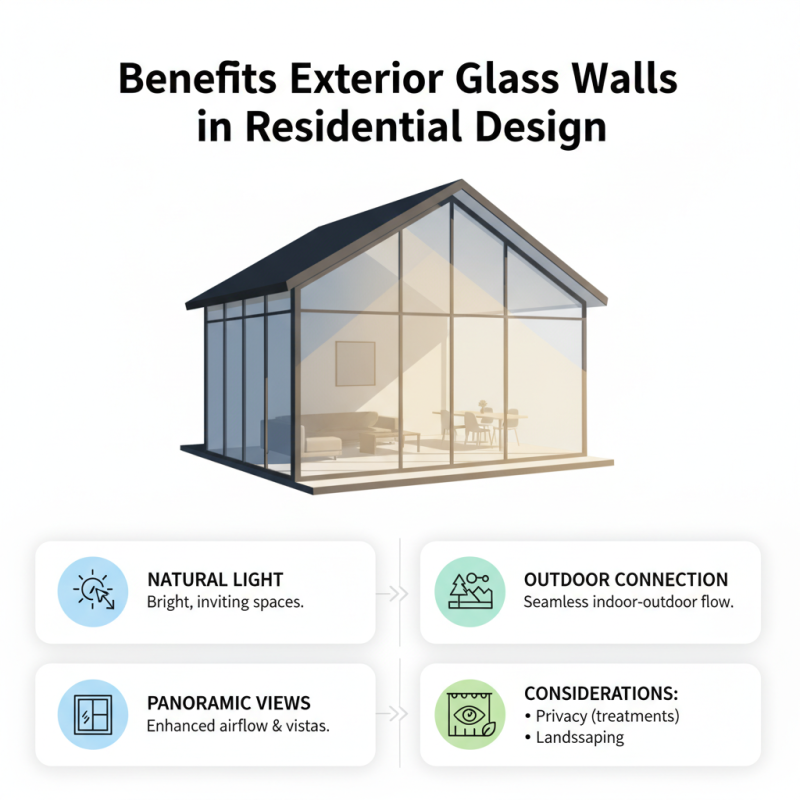
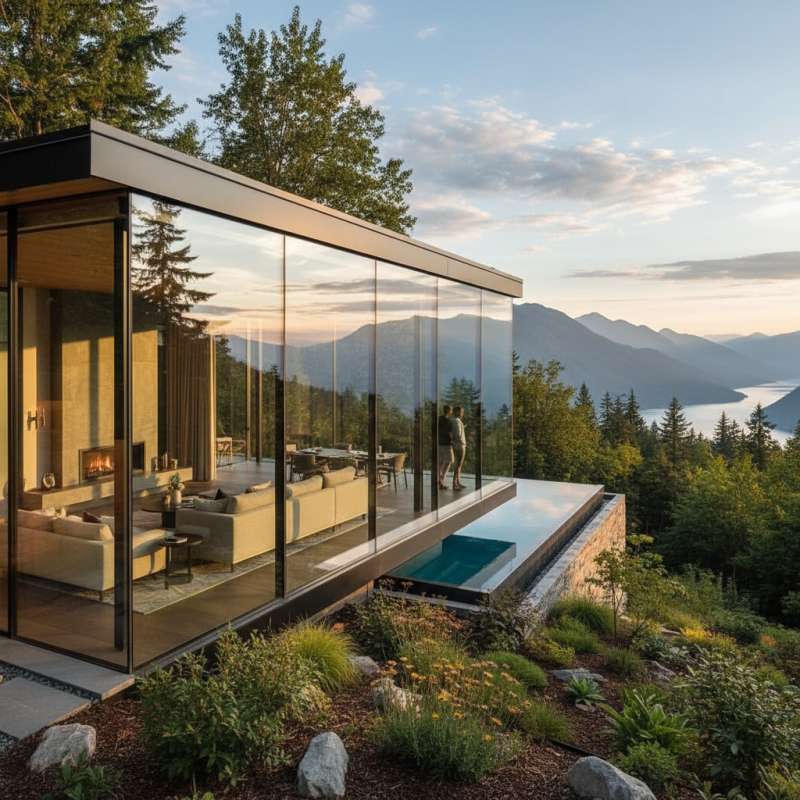
Exterior glass walls have become a popular choice in residential design. They bring in natural light, creating bright and inviting spaces. This design element enhances the connection to the outdoors, blurring the lines between inside and outside. Residents often appreciate the views and increased airflow. However, privacy can be a concern. It's essential to consider window treatments or landscaping to maintain comfort.
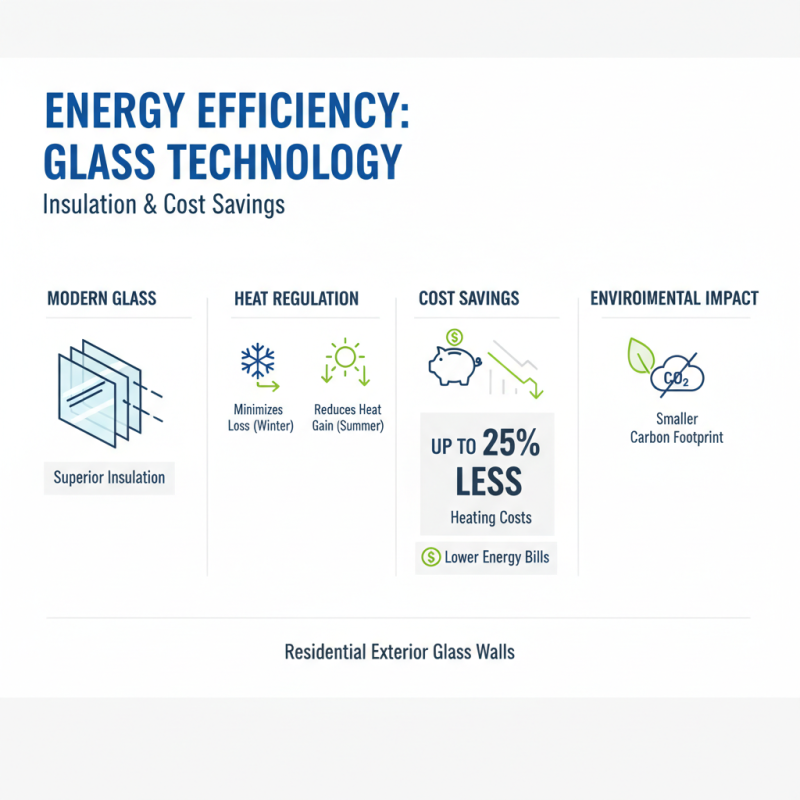
Energy efficiency is another benefit. Modern glass technology reduces heat transfer, which can lower energy bills. High-performance glass can keep homes warm in winter and cool in summer. Yet, this option can sometimes lead to excess heat during peak sunlight. Homeowners need to design shading solutions, such as awnings or overhangs, to combat this issue.
Additionally, exterior glass walls may require more maintenance than traditional walls. Cleaning can be a hassle, especially on larger surfaces. Dust and fingerprints are more visible. A balance between aesthetics and practicality must be struck. Homeowners should weigh these factors carefully before making a decision.
Aesthetic Appeal: Enhancing Visual Impact and Modernity
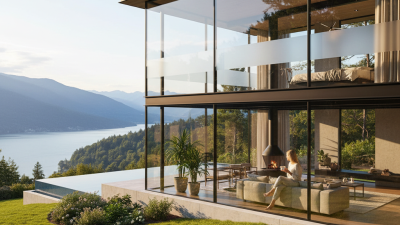
Exterior glass walls have become a popular choice for residential projects. Their sleek design enhances modernity and creates a striking visual impact. When you incorporate glass walls, your home feels more open and inviting. The interplay of natural light is remarkable. It transforms simple spaces into vibrant environments. The aesthetics of glass walls can elevate any home's overall appeal.
Consider these tips when selecting exterior glass walls. Focus on energy efficiency. Use double or triple-glazed panels to improve insulation. This can help reduce energy costs. Additionally, think about privacy. Strategically placed landscaping or frosted glass options can maintain a sense of seclusion. Lastly, consider how reflective surfaces interact with your home’s surroundings. They can amplify natural beauty but may also pose glare challenges.
While glass walls create stunning views and increase natural light, they also come with responsibilities. Maintenance may require more attention than traditional walls. Dust, fingerprints, and weather conditions can affect their appearance. Keep this in mind when deciding on materials. Balancing beauty and practicality is essential for long-term satisfaction.
Why Choose Exterior Glass Walls for Your Residential Projects?
This chart illustrates the benefits of exterior glass walls in residential projects, focusing on aesthetic appeal, energy efficiency, and cost-analysis. The data compares these features to traditional wall materials.
Natural Light: Maximizing Sunlight for Healthier Living Spaces
Natural light is essential for creating healthier living spaces. Exterior glass walls allow sunlight to flood your home, increasing natural illumination. Sunlight helps regulate circadian rhythms, improving sleep quality. More light means a brighter home, which can enhance mood and productivity.
However, incorporating glass walls isn’t without challenges. They can lead to increased heat in summer. Proper insulation and shading solutions are necessary to maintain a comfortable temperature. Homeowners must consider window orientation and the surrounding environment to maximize benefits while minimizing drawbacks.
Beyond aesthetics, natural light contributes to mental well-being. It can reduce feelings of stress and anxiety. Open, airy spaces promote a sense of relaxation. Yet, you may need to reflect on privacy concerns and security aspects. Striking a balance between light and personal space is crucial.
Why Choose Exterior Glass Walls for Your Residential Projects? - Natural Light: Maximizing Sunlight for Healthier Living Spaces
| Aspect |
Details |
Benefits |
| Natural Light |
Allows abundant sunlight to enter the home, reducing the need for artificial lighting. |
Enhances mood and productivity; can lower energy bills. |
| Energy Efficiency |
Modern glass walls can be treated for improved insulation. |
Reduces heating and cooling costs over time. |
| Aesthetic Appeal |
Provides a contemporary look and connects indoor and outdoor spaces seamlessly. |
Increases property value and enhances curb appeal. |
| Health Benefits |
Exposure to natural light is known to improve overall health and well-being. |
May reduce stress and enhance physical health. |
| Versatility |
Can be incorporated into various architectural styles and designs. |
Allows for creative design choices and adaptable living spaces. |
Sustainability: Eco-Friendly Options in Exterior Glass Walls
When considering sustainability in residential projects, exterior glass walls offer exciting eco-friendly options. These structures enhance energy efficiency by maximizing daylight. According to the U.S. Department of Energy, daylighting can reduce lighting energy usage by up to 50%. This allows homeowners to lower their energy bills while reducing reliance on artificial lighting.
Furthermore, many modern glass products are designed with sustainability in mind. Advanced glazing technologies, such as low-emissivity (low-e) coatings, minimize heat loss. This innovation can lead to energy savings of 20% or more compared to traditional materials. However, the production of glass also comes with environmental considerations. The high energy demands required for manufacturing glass can sometimes overshadow its benefits.
Choosing the right materials is essential. Recycled glass can significantly minimize carbon footprints, but sourcing it locally is crucial. Not all glass walls are created equal in this aspect. Homeowners need to engage in due diligence to find reliable suppliers that prioritize eco-friendly practices. Balancing aesthetics and sustainability remains a challenge, yet the potential for reduced energy consumption has drawn increased interest in glass walls.