How to Choose Fire Doors with Glass for Your Building Safety?
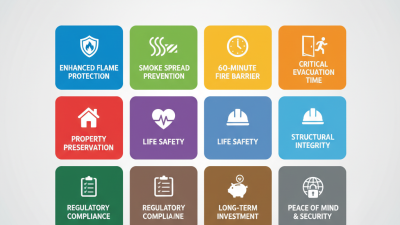
When choosing fire doors with glass for your building, safety is paramount. According to a 2022 report by the National Fire Protection Association (NFPA), nearly 60% of fire-related fatalities occur in buildings without proper fire safety measures. Fire doors with glass provide a perfect blend of safety and aesthetic appeal. They allow for visibility while helping to contain smoke and flames.
Expert in fire safety, Dr. Samuel Crowley, emphasizes the importance of quality in these materials. “Selecting the right fire doors with glass can be the difference between a minor incident and a major tragedy,” he states. Many people overlook the specifics, such as fire ratings and certification standards, when making their choices.
Inadequate knowledge can lead to serious safety risks. Some glass types may not offer adequate fire resistance. Thus, verifying certifications and understanding the characteristics of fire doors with glass are essential steps for any building manager or owner. Reflecting on these aspects is crucial for ensuring a safer environment.
Understanding the Importance of Fire Doors with Glass for Safety
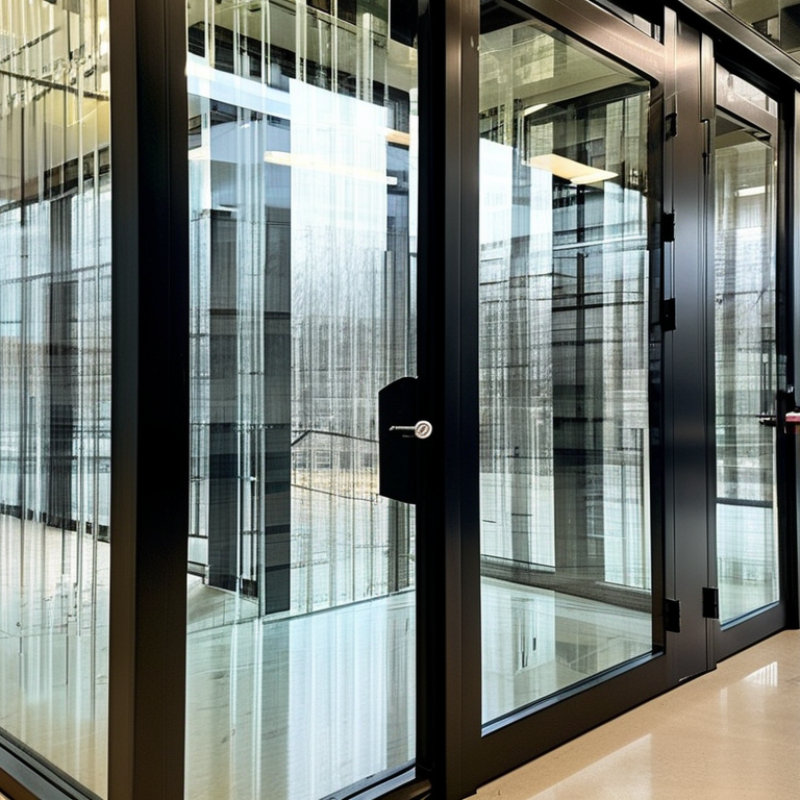
Fire doors with glass play a crucial role in building safety. They provide visibility while offering fire resistance. According to the National Fire Protection Association (NFPA), the failure of fire doors is a common issue in many commercial buildings. About 25% of fire doors do not function correctly during emergencies. This shows a critical gap in safety measures that can sometimes be overlooked.
Integrating glass in fire doors helps in monitoring smoke and flames without compromising safety. The glass used must meet specific fire resistance standards. For instance, insulated glass can withstand high temperatures, maintaining its integrity for up to 60 minutes in a fire. It enhances evacuation efforts, allowing occupants to see the exit routes clearly. However, the aesthetic appeal also presents a challenge. Many choose designs that may not be the best for functionality.
Regular inspections are vital. Industry guidelines recommend checking fire doors at least twice a year. This helps ensure proper operation and compliance with safety standards. Nonetheless, property managers often neglect this step due to tight schedules. This oversight can lead to devastating consequences during a fire. It's essential to balance design, functionality, and regular maintenance when selecting fire doors with glass for enhanced safety.
Fire Door Types and Their Fire Ratings
This chart illustrates the availability of various fire door types classified by their fire rating duration. The higher the fire rating, the more crucial the safety features are for building protection.
Key Features to Consider in Fire Doors with Glass
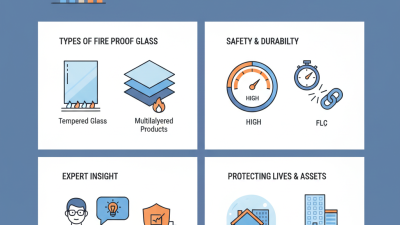
When selecting fire doors with glass, safety must be the priority. One key feature to consider is the type of glass used. Tempered glass is a popular choice because it can withstand high temperatures. However, it can shatter upon impact. This means that while it offers visibility, it may pose risks during an emergency. Choosing laminated glass can enhance safety. This type holds together even when broken, providing a barrier against the heat and smoke.
Another essential aspect is the fire rating. Fire doors have ratings that indicate how long they can withstand fire before failure. A door with a one-hour rating can be crucial in giving occupants time to escape. Consider how the fire door integrates with the building's overall safety plan. It should complement other safety measures, such as alarms and sprinklers.
Lastly, don’t overlook the design. Doors with glass panels can improve aesthetics while maintaining functionality. However, the frames should be robust enough to support the glass and offer additional protection. Over time, wear and damage can compromise performance. Regular inspections are vital to ensure the integrity of both the fire door and the glass.
Materials and Ratings for Effective Fire Protection
When considering fire doors with glass for your building, focus on the materials used and their ratings. Fire doors play a crucial role in safety, acting as barriers against flames and smoke. According to the National Fire Protection Association (NFPA), the proper rating of a fire door can prevent the spread of fire for up to 90 minutes. This rating is determined by the materials used in construction.
Steel and gypsum are popular choices for fire doors. Steel provides strength and an impressive fire rating. Gypsum, on the other hand, offers lightweight versatility and effective insulation against heat transfer. Fire-rated glass, which may be made with a special interlayer, can resist high temperatures. Yet, it is important to note that glass can compromise the door's overall fire resistance. For example, not all glass types offer the same level of protection. Choosing the right combination requires careful consideration.
Building codes and regulations also dictate the requirements for fire doors. Many local jurisdictions require specific ratings for different types of buildings. Failing to comply can lead to serious safety risks. A recent report showed that 70% of fire-related fatalities were due to inadequate fire protection. This highlights the importance of selecting appropriate materials and understanding their ratings. Investing in quality fire doors ensures effective protection for both occupants and property.
Design Options for Fire Doors with Glass in Commercial Buildings
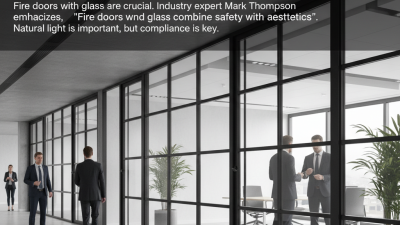
When selecting fire doors with glass for commercial spaces, design options influence both safety and aesthetics. Many buildings prioritize natural light while maintaining fire safety. According to the National Fire Protection Association (NFPA), up to 60% of fire incidents occur in commercial environments. Thus, choosing the right fire-rated glass is crucial for compliance and safety.
Incorporating glass within fire doors allows for visibility and promotes an open feel. Fire-rated glass products come in a variety of designs. They can be clear, tinted, or patterned, helping to enhance the overall design while still maintaining compliance. The American Society for Testing and Materials (ASTM) specifies regulations that ensure fire-rated glass can withstand high temperatures for up to 90 minutes. This combination of functionality and style can create a welcoming atmosphere without compromising safety.
However, it's essential to balance aesthetics with the practical aspects of fire safety. Not all glass is created equal. Some designs may look appealing but may not pass fire safety standards. Conducting thorough evaluations and consulting with fire safety experts is necessary. Regular assessments can help ensure compliance with local building codes and standards.
Installation and Maintenance Tips for Fire Doors with Glass
When selecting fire doors with glass, proper installation and maintenance are crucial for safety. Start by ensuring that the installation team is experienced and certified. A poorly installed door can compromise fire safety. It should fit snugly within its frame, leaving no gaps for flames to seep through. The door should also meet local fire regulations.
Routine maintenance is essential. Check the door regularly for signs of damage or wear. Cracks in the glass compromise its integrity. Ensure that seals remain intact to maintain fire resistance. If the door won't close properly, it could lead to serious safety risks.
Consider the environment where the door is installed. Humidity and temperature changes might affect materials over time. Regular inspections help catch issues early. Sometimes, even the best products require adjustments or replacements. Stay informed about best practices in fire door care. Regular training for maintenance staff can greatly enhance safety in the long run.
How to Choose Fire Doors with Glass for Your Building Safety?
| Criteria |
Description |
Tips |
| Material |
Choose from steel, wood, or fiberglass. |
Ensure the material meets fire-rating standards. |
| Glass Type |
Use tempered or laminated glass for safety. |
Verify the glass is rated for fire resistance. |
| Installation |
Proper installation is critical for functionality. |
Hire certified professionals for installation. |
| Maintenance |
Regular checks ensure doors function correctly. |
Schedule inspections and address damage immediately. |
| Regulations |
Must comply with local fire safety codes. |
Consult local authorities for guidelines. |