How to Choose Fire Safety Glass for Maximum Protection?
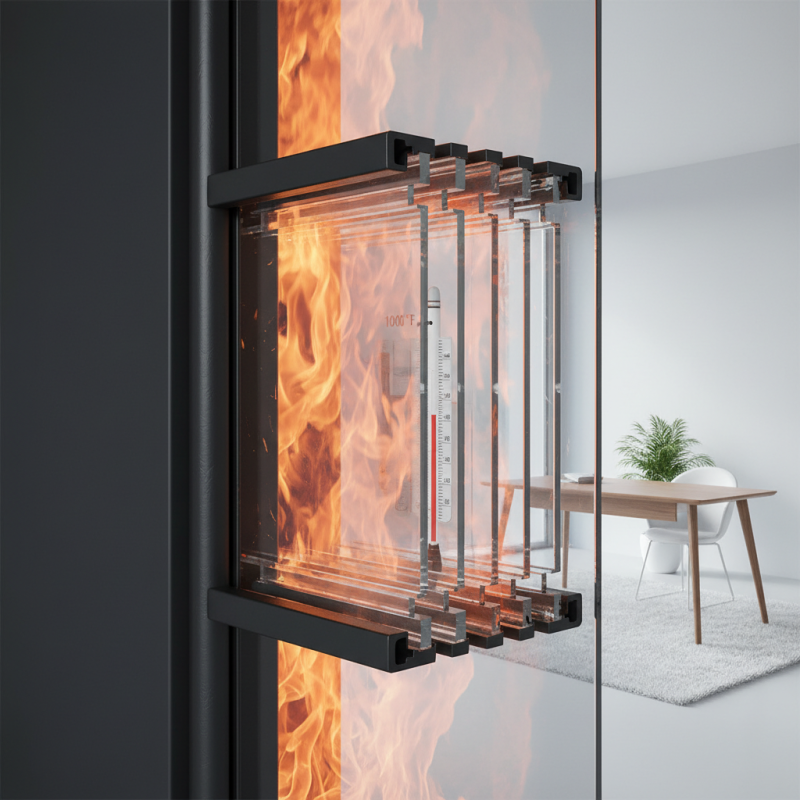
Selecting the right fire safety glass is crucial for ensuring optimal protection in buildings. This type of glass is designed to withstand extreme heat and flames, enhancing the safety of occupants during emergencies. It is essential to understand the various options available. Some fire safety glasses can withstand temperatures up to 1,000 degrees Fahrenheit.
When evaluating fire safety glass, consider its thickness and ratings. The glazing must pass certain tests to gain certification. Not all glass options provide the same level of protection. Sometimes, individuals mistakenly believe that regular glass will suffice. This misconception can lead to dire consequences in the event of a fire.
Furthermore, the installation process is just as critical as the glass itself. Faulty installation may compromise its effectiveness. Buyers should seek advice from professionals in fire safety. Failing to pay attention to these details could lead to regrettable outcomes. Ultimately, fire safety glass is not just a choice; it's a necessity for better safety measures.
Understanding Fire Safety Glass: Types and Standards
Fire safety glass plays a critical role in safeguarding lives and property during a fire. Understanding its different types is essential. There are primarily three categories: tempered glass, laminated glass, and wire glass. Each type has distinct characteristics and is suited for various applications. Tempered glass can withstand high heat but shatters if broken. Laminated glass combines layers to enhance strength, offering more resistance. Wire glass contains a mesh that provides structural support.
Standards for fire safety glass vary by region and application. They ensure that the glass meets specific fire-resistance ratings. These ratings indicate how long the glass can withstand flames and heat. Knowing these standards helps in making informed choices. However, it is crucial to be aware of the limitations. Not all fire-rated glass can be used in every setting. Some may not provide adequate protection if improperly installed.
The choice of fire safety glass should not be taken lightly. One must consider factors like location and potential hazards. It's easy to overlook these details in the selection process. That could lead to inadequate safety measures. Consulting with professionals can provide valuable insights. Their expertise can help identify the best fit for your needs. Balancing safety and aesthetics is often challenging, but it’s essential for effective fire protection.
Key Factors to Consider When Choosing Fire Safety Glass
When choosing fire safety glass, several key factors demand attention. First, consider the glass type. There are various options, including tempered, laminated, and wired glass. Each type offers different levels of fire resistance. Tempered glass is strong but may not provide adequate insulation. Laminated glass adds layers for enhanced protection but can be heavier. Wired glass features a mesh, which can stop flames but may limit visibility.
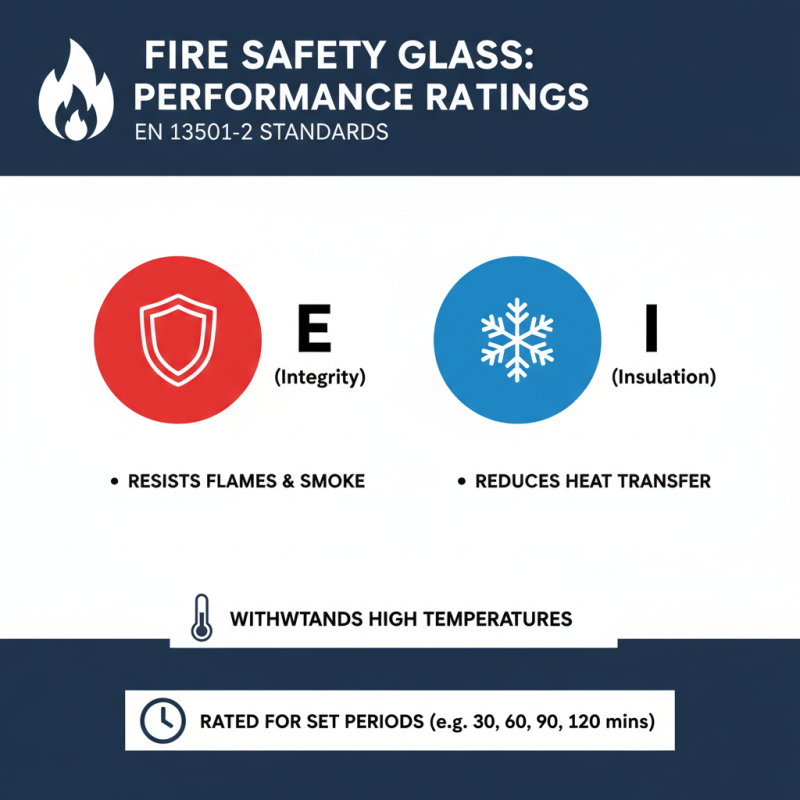
Next, evaluate the fire ratings. Fire safety glass comes with different classifications, such as E, EW, or EI ratings. Each rating indicates how long the glass can hold up against fire and heat. Ensure the chosen glass meets local building codes. If unsure, consulting with a fire safety expert is wise. Think about aesthetics too. Fire safety glass can be both functional and visually appealing. You want your choice to blend seamlessly with your design.
Lastly, installation matters. Even the best glass fails if poorly installed. Ensure a qualified professional handles the installation. A flawed installation could lead to gaps, allowing smoke and heat to penetrate. Always combine quality materials with skilled workmanship for optimal safety. Keep in mind the importance of regular checks. Over time, glass can wear or be damaged, compromising safety. Be proactive with inspections and maintenance.
How to Choose Fire Safety Glass for Maximum Protection?
| Factor |
Description |
Standard Ratings |
Applications |
| Type of Glass |
Select between ceramic, wired glass, or intumescent glass based on needs. |
Typically rated from 30 minutes to 2 hours. |
Fire doors, windows, partitions. |
| Thickness |
Thickness impacts durability and heat transfer resistance. |
Varies from 6mm to 20mm. |
Commercial buildings, residential complexes. |
| Certification |
Ensure it meets local fire safety regulations and standards. |
Must comply with ASTM E119 or BS 476. |
High-risk areas, commercial kitchens. |
| Visual Clarity |
Consider the clarity of the glass for visibility and aesthetics. |
Not a specific rating, but clarity impacts design. |
Office spaces, retail environments. |
| Cost |
Evaluate budget versus required safety rating and design. |
Prices may vary widely based on type and thickness. |
All commercial applications. |
Evaluating the Performance Ratings of Fire Safety Glass
When evaluating fire safety glass, performance ratings are critical. These ratings help determine how effectively the glass can withstand high temperatures and resist fire for a set period. In many cases, fire-rated glass is tested according to standards such as EN 13501-2. This standard measures the integrity and insulation properties of glass. Performance ratings are typically classified into categories like E (integrity) and I (insulation).
In terms of actual numbers, a product with an E rating may resist fire for up to 30 minutes in a controlled test environment. However, real-world conditions can vary significantly. The average temperature during a fire can exceed 1000°C, which may affect panel performance. Some studies suggest that glass can fail even before reaching its specified time rating when subjected to certain situational pressures.
As you make decisions, consider fire safety glass placement. A window with a high performance rating may still not perform as expected if installed incorrectly. Installation techniques and surrounding materials play essential roles. Research shows that roughly 15% of installed fire-rated glass systems do not meet performance expectations because of improper sealing or support. Thoughtful evaluation and attention to detail can greatly influence your fire safety strategy.
Installation Best Practices for Maximum Fire Safety
Choosing the right fire safety glass is critical for any building. Proper installation enhances its effectiveness. Begin by ensuring the glass fits well into the frame. This can prevent gaps that allow fire, smoke, or heat to seep through. Use caulking around the edges to seal the frame properly. All these small details matter.
When installing fire safety glass, check the manufacturer’s guidelines. They often provide specific recommendations. Also, ensure that temperature can be managed during installation. Extreme heat or cold may affect the glass's integrity. It’s essential to have a reliable heat shield during the process. If mistakes happen, address them immediately. Ignoring issues can lead to serious safety risks later.
Training is vital. Proper training can prevent installation errors. Inadequately installed glass poses a danger to occupants. Often, a rushed installation leads to significant safety hazards. Take your time and follow all guidelines meticulously. Every step counts in ensuring maximum protection. Being thorough in this process can save lives.
Maintaining Fire Safety Glass: Tips for Longevity and Efficiency
Choosing the right fire safety glass requires careful consideration. However, maintaining that glass is just as crucial. Regular upkeep ensures longevity and efficiency, safeguarding your space from fire hazards effectively.
Cleaning is vital. Use a soft cloth and mild detergent to avoid scratches. Abrasive materials can damage the surface. Studies show that well-maintained glass performs better in emergencies. A 2021 report indicated that 30% of fire incidents involved compromised safety glass due to neglect. Check seals and frames periodically. Any deterioration could lead to failure when it's needed most.
Remember the environment. High humidity and extreme temperatures can affect fire safety glass. Monitor these conditions to prevent cracks. It's easy to overlook this aspect. Yet, proper care significantly improves performance. Investing time in maintenance pays off. This proactive approach ensures safety features function when it counts.