How to Choose the Right Packaging Machinery for Your Business?
Choosing the right Packaging Machinery is crucial for any business aiming to enhance efficiency and reduce costs. According to a report by Smithers Pira, the global packaging machinery market is anticipated to reach $48.5 billion by 2024. This growth reflects the increasing demand for automated solutions in various industries. As businesses adapt to rapid market changes, selecting appropriate packaging machinery becomes vital.
Many companies underestimate the impact of advanced packaging technology. The right machinery can streamline operations and improve product safety. For example, inefficient packaging processes can lead to an estimated 10% increase in operational costs. Moreover, the increasing focus on sustainability requires businesses to invest in eco-friendly packaging solutions.
However, choosing the right packaging machinery is not always straightforward. Companies often face challenges such as budget constraints and varying production needs. Understanding different types of machinery, such as vertical form-fill-seal or shrink wrapping systems, is essential. This can help businesses align their choices with specific production goals while addressing potential pitfalls.
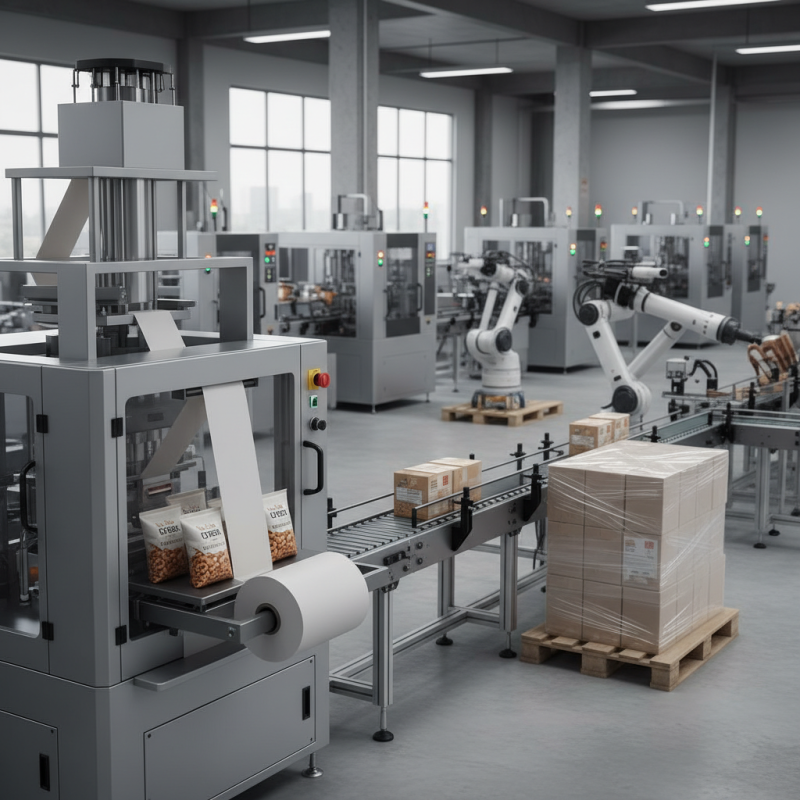
Factors to Consider When Selecting Packaging Machinery for Your Business
When selecting packaging machinery, several key factors demand attention. Production speed is crucial. A machine that runs too slow can hinder efficiency. Analyze your production goals. Consider your daily output needs. If you produce in high volumes, opt for faster machines.
Compatibility with packaging materials is another important detail. Different materials require specific machines. Ensure the machinery you choose handles your preferred materials well. This impacts both cost and quality. Maintenance requirements also play a role. Machinery that is difficult to maintain can lead to unexpected downtime. Even reliable machines need regular checks.
Lastly, assess the machine's adaptability. Markets change quickly. New products often require adjustments in packaging. Choosing machinery that is flexible can save you from future headaches. Reflect on your business's growth plans. This foresight can influence the longevity and performance of your investment. Ultimately, making an informed decision is essential for operational success.
Understanding Different Types of Packaging Machinery Available in the Market
When selecting packaging machinery, understanding the various options is essential. The market offers diverse types, including cartoners, fillers, and labelers. Each type addresses specific packaging needs. According to a recent industry report, flexible packaging machinery has seen a 5% annual growth rate, indicating a shift toward adaptable solutions.
Consider the volume of products your business handles. High-speed machines cater to mass production, while semi-automatic options suit smaller operations. It’s crucial to assess your current and future needs. Customizing machinery can lead to enhanced efficiency. However, be cautious of over-specifying; it may lead to resource waste.
Tips: Always seek machinery that aligns with your production line. Verify the durability and support services provided. Industry experts recommend conducting ROI analysis before making a purchase. Small miscalculations can result in significant losses, so double-check all numbers and expectations.
Assessing Your Production Volume and Speed Requirements for Packaging
When assessing your production volume and speed requirements for packaging, it's crucial to align machinery capabilities with your specific needs. Start by analyzing your current production levels. Are you producing small batches or large quantities? This information guides the type and size of machinery you require. Remember, selecting the wrong machine can lead to inefficiencies.
Consider the speed of your production line as well. If your demand is high, you’ll need equipment that can keep pace without compromising quality. Sometimes, faster machinery can create more waste if not properly calibrated. Regular evaluations of your speed requirements help in fine-tuning machine settings and designs. Integrating real-time data can provide insights into optimal speeds.
Tips: Invest time in monitoring your production trends. This knowledge can help avoid costly mistakes. Don't underestimate the importance of maintenance schedules and potential downtime. Evaluate your growth projections. Machinery that meets today's needs may not be sufficient as your business scales. Always prepare for future scalability.
Evaluating Cost-Effectiveness and ROI of Packaging Machinery Investments
When investing in packaging machinery, evaluating cost-effectiveness is crucial. According to a report by Packaging Machinery Manufacturers Institute, businesses can improve operational efficiency by up to 30% with the right equipment. The initial investment might seem high, often ranging from $25,000 to $500,000, depending on the complexity of the machinery. However, many companies see a return on investment (ROI) within 18 to 24 months, making the upfront costs worthwhile.
Understanding the total cost of ownership (TCO) is essential. This includes maintenance costs, training, and potential downtime. A 2022 study by Research and Markets highlighted that proper machinery maintenance could reduce downtime by up to 40%, significantly boosting production rates. It's vital to ensure that the machinery aligns with current production needs and future growth plans.
Evaluating options through a thorough cost-benefit analysis can reveal whether a machine offers long-term savings or merely short-term gains. Businesses should carefully consider these factors before making a decision.
Importance of Machine Compatibility with Your Product Specifications and Materials
Choosing the right packaging machinery requires careful consideration of compatibility with your product specifications and materials. Each product has unique traits. These include size, shape, and fragility. Packaging machines must accommodate these factors to ensure quality and efficiency. A mismatch can lead to damaged goods or increased costs.
Understanding the materials involved is crucial. Different materials, such as plastic or glass, behave differently during the packaging process. For example, a delicate product may require a machine that offers gentle handling. On the other hand, heavier items might need robust equipment. Businesses often need to reassess their machinery as products evolve.
Not every solution is one-size-fits-all. Companies may initially choose a machine based on features alone. However, without proper compatibility, functionality can suffer. It’s vital to evaluate how well the machine integrates with existing processes. A little reflection often uncovers potential improvements. This deeper understanding can lead to more effective packaging solutions.