How to Choose the Right 3 Phase Compressor Motor for Your Needs?
Choosing the right 3 Phase Compressor Motor can be a daunting task. With so many options available, expertise is crucial for making the best decision. According to Dr. Steven Thompson, a well-respected authority in industrial equipment, "The right motor can significantly enhance system efficiency." This insight highlights the importance of selecting a motor that aligns with specific needs.
In various applications, understanding the load requirements is essential. Factors such as horsepower, voltage, and operating conditions play a vital role in motor selection. A mismatch can lead to inefficiencies or even damage. The decisions we make today often affect our operations for years to come.
When evaluating options, consider not only performance but also reliability. A reputable 3 Phase Compressor Motor should withstand operational stresses while minimizing downtime. Remember, the right choice is not just about features but also about long-term costs. Reflect on your specific requirements, and prioritize quality alongside efficiency.
Understanding the Basics of 3 Phase Compressor Motors
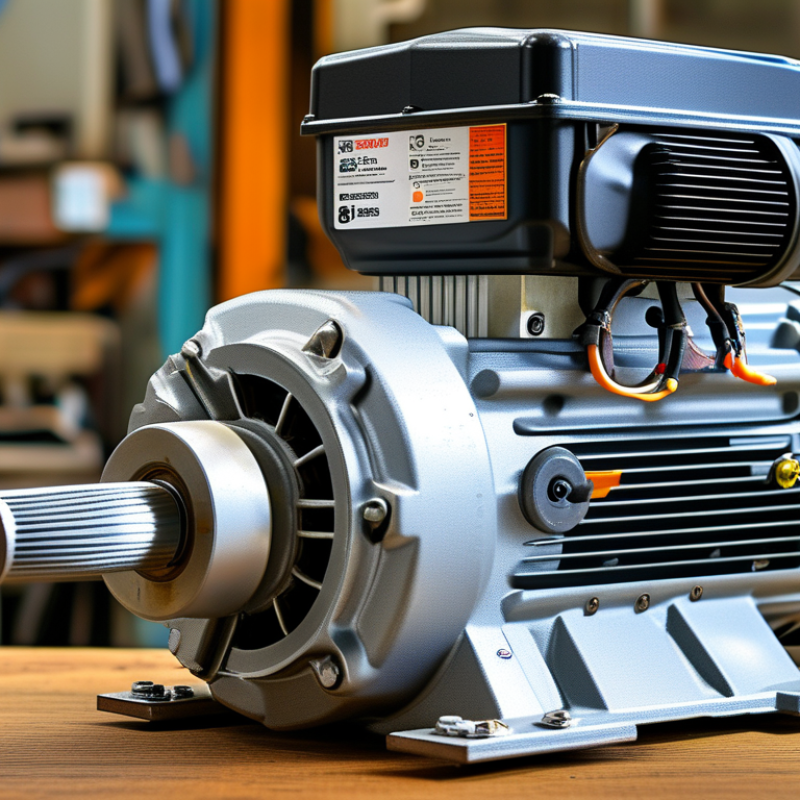
When selecting a three-phase compressor motor, understanding its fundamentals is crucial. Three-phase motors are widely recognized for their efficiency and reliability. They convert electrical energy into mechanical energy, powering various applications. These motors generally require standard industrial voltages, making them suitable for heavy-duty use. It's essential to know the power requirements of your compressor.
Efficiency ratings can vary, impacting performance and energy consumption. Higher efficiency means lower operational costs. Consider the motor's service factor, which indicates its robustness. A higher service factor might suggest better temperature resistance but can increase complexity. It's also important to reflect on installation space. Ensure there’s adequate room for maintenance and airflow. An often-overlooked aspect is compatibility with existing systems. Double-check voltage and phase requirements to avoid issues.
Selecting the correct motor involves combining technical knowledge and practical experience. It's easy to overlook specific details under pressure. Be cautious of potential mismatches with your compressor. Pay attention to the specific environment where the motor will operate. Harsh conditions may require additional considerations for durability and protection. Balancing these factors will help ensure optimal performance for your needs.
Identifying Your Specific Power and Torque Requirements
Choosing the right three-phase compressor motor starts with understanding your power and torque requirements. Different applications demand different power levels. It’s vital to analyze the specifics of your compressor system. Consider the maximum load the motor needs to handle. This can vary widely depending on the type of compressor and its intended use.
Torque is equally important. The required torque can determine how effectively the motor operates under load. If the motor falls short, it may struggle or overheat. Ensure you select a motor that aligns with your system's operational parameters. More torque typically means higher energy consumption, so finding a balance is crucial.
Tips: Always review the compressor's manual for guidelines. Consulting with an expert can clarify your specific needs. Mismatched power levels can lead to inefficiency. Be open to revisiting your choices if your initial selection doesn't meet all operational requirements. Taking the time to assess these factors up front can save significant headaches later on.
Power and Torque Requirements for 3 Phase Compressor Motors
Evaluating Motor Efficiency and Performance Ratings
Choosing the right 3 phase compressor motor involves understanding motor efficiency and performance ratings. Efficiency is key; it impacts both operational costs and overall performance. Look for motors with higher efficiency ratings. They use less energy and can lead to savings over time. Performance ratings indicate how well a motor can handle specific tasks. Understanding both will help you make informed decisions that meet your requirements.
When evaluating motors, consider specific factors. Check the power factor and peak efficiency point. A higher power factor indicates better performance. Yet, be aware of the trade-offs. Some motors may excel in efficiency but lack in torque. It’s crucial to balance these aspects for optimal operation.
Tips: Always review technical specifications before purchasing. Compare different models to find the best fit. Seek advice from industry professionals if you're unsure. Continuous training and updates on technology can enhance decision-making. This ensures you choose a motor suited for your particular application. Remember, investing time in research pays off in long-term benefits.
Selecting the Right Motor Size and Frame Type
Selecting the right motor size and frame type for a three-phase compressor is crucial. A small motor may struggle under load, leading to inefficiency. Conversely, an oversized motor can waste energy and increase operating costs. Consider the application requirements carefully.
Start by assessing your compressor's horsepower needs. Match this to the motor’s capacity. It’s essential to understand the service factor too. This indicates how much overload the motor can handle. For continuous operations, choose a motor that meets or exceeds these ratings.
Frame type matters significantly. The frame must fit securely within the compressor without causing misalignment. Look into different mounting styles. They vary from foot-mounted to flange-mounted options, affecting stability. Checking the cooling method is also vital. Some motors require proper airflow to function effectively. Failure to consider these details can lead to system failures or short lifespans. Thoughtful evaluation of size and frame type ensures reliability.
How to Choose the Right 3 Phase Compressor Motor for Your Needs?
| Motor Size (HP) | Frame Type | Voltage (V) | Phase | Efficiency Class | Cooling Type |
| 5 HP | NEMA 56 | 230/460 | 3 Phase | IE2 | Totally Enclosed Fan Cooled |
| 10 HP | NEMA 143/145 | 230/460 | 3 Phase | IE3 | Open Drip Proof |
| 15 HP | NEMA 184/185 | 460 | 3 Phase | IE3 | Totally Enclosed Fan Cooled |
| 20 HP | NEMA 213/215 | 230/460 | 3 Phase | IE4 | Totally Enclosed |
Considering Environmental Factors and Installation Conditions
When selecting a 3 phase compressor motor, environmental factors cannot be overlooked. The local climate plays a crucial role. For example, in a humid environment, choose motors that offer better corrosion resistance. The temperature range is also important. Motors operating in extreme heat need cooling features.
Installation conditions should be thoroughly examined as well. Ensure there is enough space for ventilation. Poor airflow can lead to overheating and performance issues. Noise levels in residential areas may limit your options. It's essential to select models designed for quieter operation.
Additionally, think about accessibility for maintenance. Hard-to-reach installations can complicate repairs. Reflecting on your specific needs helps make informed choices. A well-suited motor optimizes efficiency and guarantees longevity.