Claude Cowork Tips for Maximizing Productivity in 2026?
In an ever-evolving workplace, "claude cowork" emerges as a pivotal solution for enhancing productivity in 2026. According to recent studies, collaborative environments can increase team efficiency by up to 25%. However, many teams struggle with distractions and unclear goals. This highlights the need for structured coworking spaces that foster focus and collaboration.
The rise of hybrid work models has shifted how teams interact. Reports show that over 70% of employees feel more productive in a well-designed coworking space. Yet, there's a paradox. Many feel isolated or overwhelmed. This suggests that while coworking can boost productivity, it can also lead to disconnection if not managed properly.
Fostering the right atmosphere is vital for success. Workplaces must balance collaboration with personal space. Organizations should assess their layout and policies regularly to ensure they meet team needs. As we move further into 2026, "claude cowork" will need to adapt continuously, addressing gaps that may hinder productivity and employee satisfaction.
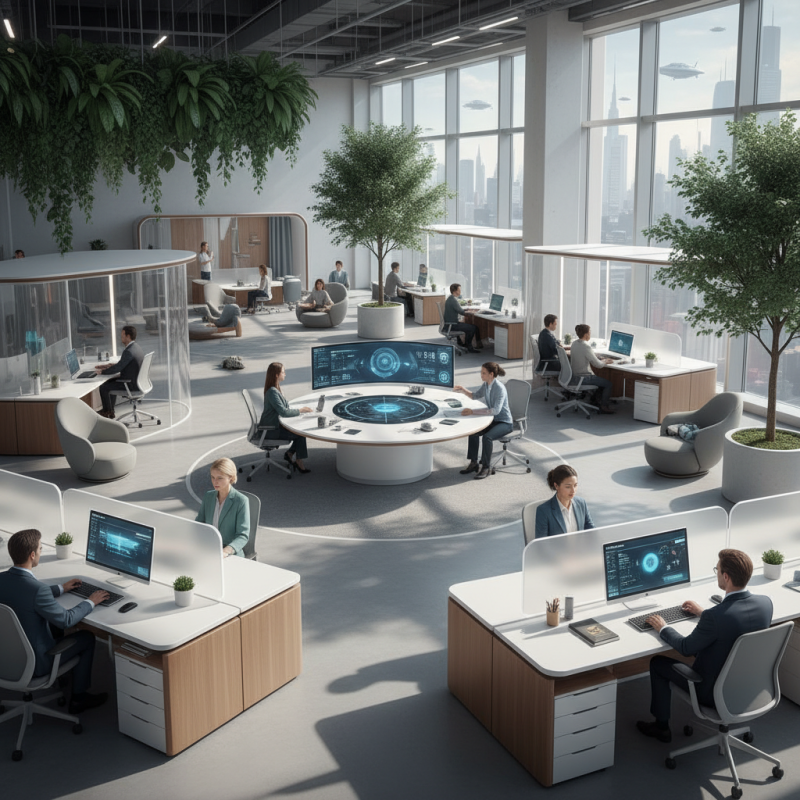
Understanding the Evolving Workspace Landscape in 2026
The workspace landscape is shifting dramatically in 2026. Remote work is becoming the norm for many sectors. A recent report shows that 70% of companies now support flexible work arrangements. This flexibility can boost employee satisfaction. Yet, it also poses challenges. Collaboration can suffer in isolated environments.
Technology plays a pivotal role in this evolution. Companies are likely to invest heavily in collaboration tools. Data indicates that 65% of employees believe better tools increase productivity. However, not all employees adapt at the same pace. Some may struggle with the shift. Others might feel overwhelmed by constant connectivity.
Additionally, organizational culture is under scrutiny. Inclusivity is crucial, as 58% of workers report feeling disconnected. A lack of connection can lead to burnout or disengagement. Leaders must create a culture of communication and support. This can be challenging but necessary for a thriving workforce. Addressing these issues is key to maximizing productivity in 2026.
Productivity Trends in 2026: A Comparative Analysis
Analyzing the Impact of Technology on Coworking Productivity
The rise of technology in coworking spaces profoundly reshapes productivity. Recent studies show that over 70% of workers benefit from ergonomic furniture and high-speed internet in their work environments. These elements foster focus and efficiency. Coworking spaces are leveraging smart technologies to streamline workflows. For instance, automated scheduling tools allow employees to manage their time better, creating a more fluid working day.
However, technology can be a double-edged sword. Distractions from devices and social media can diminish productivity. A report from the International Workspace Association highlights that 60% of coworking professionals struggle with maintaining concentration due to digital interruptions. Employees must navigate this balance. Setting boundaries around technology use is essential. Finding moments of digital detox within a tech-driven environment might help regain focus.
Flexible working hours further enhance productivity but present challenges too. A study from Coworking Resources reveals that 50% of workers find it hard to draw the line between work and personal time. This can lead to burnout. Thus, creating a clear structure around working hours is vital. Encouraging breaks and fostering a community can combat this issue and promote a healthier work-life balance.
Essential Tools and Applications for Enhanced Team Collaboration
In 2026, effective team collaboration will rely heavily on the right tools. Surveys show that organizations using collaborative applications see a 25% increase in productivity. Teams benefit when communication is seamless and accessible. Cloud-based platforms allow real-time document sharing, ensuring everyone is on the same page. However, not every tool fits every team's needs. It's crucial to choose wisely.
Many teams face challenges with tool overload. Too many applications can create confusion and reduce efficiency. Reports suggest that 27% of workers struggle with using multiple collaboration tools. They often switch between apps, losing valuable time. Focusing on fewer, more versatile tools could enhance productivity. Visual project management tools can help teams track progress and maintain clarity.
Team dynamics are also affected by the chosen tools. 60% of employees prefer platforms that promote transparency. Yet, not all tools facilitate open communication equally. Regular feedback is essential in this evolving workspace. Teams should reevaluate their tools periodically to avoid staleness and ensure ongoing effectiveness. Flexibility in choosing applications fosters a culture of collaboration that drives success.
Effective Time Management Strategies for Busy Coworkers
Effective time management is crucial for busy coworkers striving to maximize productivity in 2026. A chaotic schedule can lead to burnout. Break your day into focused segments. Use a timer to work in sprints, allowing short breaks in between. This can enhance concentration and prevent fatigue.
Set clear priorities each morning. Identify your top three tasks. Tackle these first, when your energy is highest. Consider the two-minute rule: if a task takes less than two minutes, do it immediately. It’s surprising how quickly small tasks can pile up. Reflect on moments when distractions interrupted your flow.
Another useful tip is to eliminate multitasking. Focusing on one task at a time often yields better results. Embrace the power of saying no to non-essential meetings. These can waste precious time. Create a workspace that minimizes distractions, but don’t be afraid to adjust it—sometimes a change in environment can spark creativity.
Claude Cowork Tips for Maximizing Productivity in 2026 - Effective Time Management Strategies for Busy Coworkers
| Strategy | Description | Expected Result | Time Invested |
| Time Blocking | Allocate specific blocks of time for different tasks to enhance focus. | Improved focus and task completion. | 10 minutes to plan. |
| Pomodoro Technique | Work for 25 minutes then take a 5-minute break to refresh your mind. | Boosted productivity and reduced burnout. | 5 minutes for setup. |
| Prioritization Matrix | Categorize tasks based on urgency and importance to focus on what truly matters. | Enhanced decision making and reduced time spent on low-value tasks. | 15 minutes weekly. |
| Setting SMART Goals | Define Specific, Measurable, Achievable, Relevant, Time-bound goals to track progress. | Clear direction and motivation. | 30 minutes for goal setting. |
| Digital Tools | Utilize apps and software designed for project management and communication. | Streamlined workflow and better collaboration. | Varies (depends on tool). |
Creating a Balanced Environment to Foster Creativity and Focus
Creating a balanced environment is crucial for enhancing creativity and focus. Studies suggest that a well-structured workspace can boost productivity by up to 30%. Natural light, for instance, is essential; it reduces fatigue and enhances mood. A report from the World Health Organization reveals that daylight exposure can improve overall well-being. Thus, selecting the right lighting is a starting point.
Color also plays a vital role in workspace design. A study published in the Journal of Environmental Psychology found that specific colors can influence cognitive performance. Blue hues can enhance focus, while green shades promote a sense of calm. Incorporating plants can further reduce stress. Indoor plants have been shown to increase productivity by 15%, according to a 2021 research paper.
However, not all setups foster creativity. Overly sterile environments can stifle innovation. Flexibility should also be considered. Work hours and locations should adapt to individual preferences. This can be challenging, but reflecting on what works best for you is important. A balance between structure and freedom may lead to greater creativity and focus.