What is Cold Storage Refrigeration Units and How Do They Work?
Cold Storage Refrigeration Units play a crucial role in various industries, ensuring that perishable goods are kept fresh. These units are specially designed to maintain low temperatures, which is vital for food safety and product longevity. They help businesses manage their inventory efficiently, reducing waste and loss.
The technology behind Cold Storage Refrigeration Units is fascinating yet complex. These units typically use insulation techniques to minimize heat transfer. A combination of compressors, condensers, and evaporators work together to maintain the desired temperature. However, improper maintenance can lead to inefficiencies and potential product spoilage. This highlights the importance of regular checks and knowledgeable operation.
As industries evolve, the design and efficiency of Cold Storage Refrigeration Units continue to improve. Newer models focus on energy efficiency and sustainable practices. Yet, it’s essential to evaluate their performance regularly. Without proper oversight, these innovative units risk underperforming, which can severely impact businesses relying on them.
What are Cold Storage Refrigeration Units?
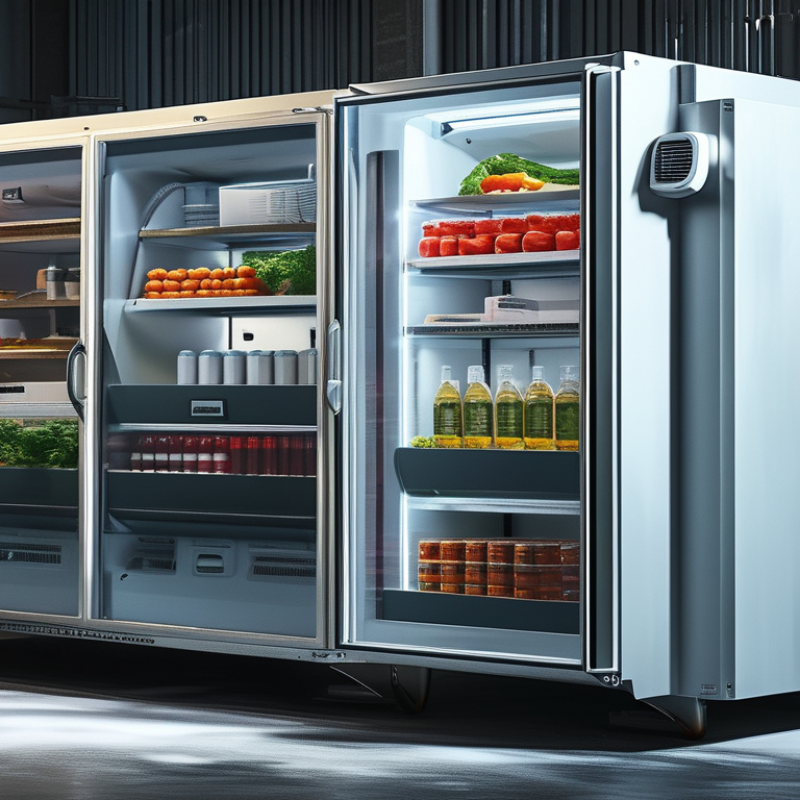
Cold storage refrigeration units are essential for preserving perishable goods. They maintain a low temperature to prevent spoilage. These units are commonly used in supermarkets, warehouses, and food processing facilities. By controlling the environment, they extend the shelf life of products such as fruits, vegetables, and dairy.
The key components of cold storage units include insulation, refrigerants, and compressors. Insulation prevents outside heat from entering the storage space. Refrigerants absorb heat and lower the internal temperature. Compressors circulate the refrigerant, ensuring an even cooling effect. The balance between these elements is crucial for optimal performance.
However, relying on these systems can present challenges. Regular maintenance is required to prevent breakdowns. Fluctuations in temperature can occur due to power outages or equipment failures. It's important to monitor conditions consistently. Knowing the limits of these systems is vital for food safety. Cold storage is not infallible; it requires diligence and care.
Key Components of Cold Storage Refrigeration Systems
Cold storage refrigeration systems are vital in preserving perishable goods. Their key components work together to maintain a stable, low-temperature environment. At the heart of these systems is the compressor. It circulates refrigerant, compressing it to increase pressure and temperature. This process transforms refrigerant into a gas, which then moves to the condenser.
The condenser plays a pivotal role. It expels heat from the refrigerant, turning it back into a liquid. Next is the expansion valve, which reduces the pressure of the refrigerant. This drop in pressure allows the refrigerant to cool, making it ready to absorb heat. The evaporator coil then takes center stage. As air passes over it, the refrigerant absorbs heat, cooling the surrounding area.
Insulation is another important element. Proper insulation minimizes heat exchange, ensuring efficiency. Many systems also include monitoring devices, allowing for real-time temperature checks. However, issues can arise. A failure in one component can lead to system breakdown. Regular maintenance is essential to prevent this. Understanding these components helps us appreciate their complexity and the need for care.
How Cold Storage Units Maintain Optimal Temperature
Cold storage refrigeration units play a vital role in preserving perishable goods. They operate by using refrigeration cycles to maintain low temperatures. This functionality is crucial in various sectors like food service and pharmaceuticals. A well-functioning unit ensures that items remain fresh and safe for consumption.
How do these units maintain optimal temperature? They utilize insulation and efficient cooling systems. Insulation minimizes heat exchange, maintaining the internal temperature. The refrigeration system circulates cool air evenly throughout the space. Maintaining a consistent temperature prevents spoilage. However, even the best systems can face challenges like door openings or mechanical failures.
Tips: Regular maintenance is key. Inspect seals and insulation to prevent temperature fluctuations. Monitoring internal temperatures with reliable gauges ensures safety. Avoid overloading units; this can restrict airflow and reduce efficiency. These actions can enhance the performance of cold storage units, keeping perishable items in optimal condition.
Temperature Variations in Cold Storage Units
This bar chart illustrates the temperature variations over a week in cold storage refrigeration units, showing how the units maintain optimal temperatures for stored goods.
Energy Efficiency and Environmental Impact of Cold Storage
Cold storage refrigeration units are essential for preserving perishable goods. However, their energy consumption raises questions about environmental sustainability. According to the U.S. Department of Energy, refrigeration accounts for nearly 15% of total energy usage in commercial buildings. This significant demand highlights the need for energy-efficient solutions.
Adopting advanced technologies can reduce energy usage. Variable speed compressors, for example, adjust their speed according to load demands, leading to a 25-40% reduction in energy consumption. The Global Cold Chain Alliance states that improved efficiencies can result in annual savings of nearly $2 billion across the industry. These findings emphasize the importance of investing in modern refrigeration systems.
Despite technological advances, challenges persist. Many cold storage facilities still operate with outdated equipment, resulting in higher emissions. The Environmental Protection Agency has highlighted that retrofit options are often overlooked. Understanding these gaps is crucial for further enhancing the energy efficiency of cold storage refrigeration units.
What is Cold Storage Refrigeration Units and How Do They Work? - Energy Efficiency and Environmental Impact of Cold Storage
| Aspect | Description | Energy Efficiency Rating | Environmental Impact |
| Temperature Range | -20°F to 32°F (-29°C to 0°C) | A++ | Low GHG Emissions |
| Typical Applications | Food storage, pharmaceuticals | B | Moderate energy consumption |
| Refrigeration Types | Vapor-compression, absorption | A+ | Potential ozone depletion |
| System Components | Compressors, condensers, evaporators | C | Waste heat generation |
| Maintenance Requirements | Regular checks, refrigerant level monitoring | A | Sustainability of refrigerants |
Current Trends and Innovations in Cold Storage Refrigeration
Current trends in cold storage refrigeration units reflect a significant evolution driven by advancements in technology and changing consumer demands. The global cold chain market is expected to reach $409 billion by 2027, growing at a compound annual growth rate of 12.4% from 2020. This growth is partially attributed to increased food safety regulations and the rising demand for perishable goods. The implementation of IoT technology in cold storage monitoring has been a game changer. Sensors now provide real-time data on temperature and humidity, allowing for immediate adjustments to conditions.
Moreover, energy efficiency has gained prominence as businesses aim to reduce operational costs. Innovations such as advanced insulation materials and high-efficiency compressors are helping to lower energy consumption. In fact, a report from the International Institute of Refrigeration indicates that energy-efficient systems can decrease energy use by 30%. However, the transition to these technologies isn't without challenges. Initial investment costs can be high, and many facilities struggle with outdated equipment that may not benefit from these advancements.
Sustainability has become another focus area in cold storage units. Eco-friendly refrigerants are now preferred over traditional ones due to their lower environmental impact. Yet, many industries are still hesitant to make the switch, grappling with potential supply chain disruptions. Despite the technological strides, the industry needs to address barriers to fully embracing these innovations. Balancing cost, sustainability, and efficiency remains a complex challenge for stakeholders.