What is a Curtain Wall System and How Does It Work?
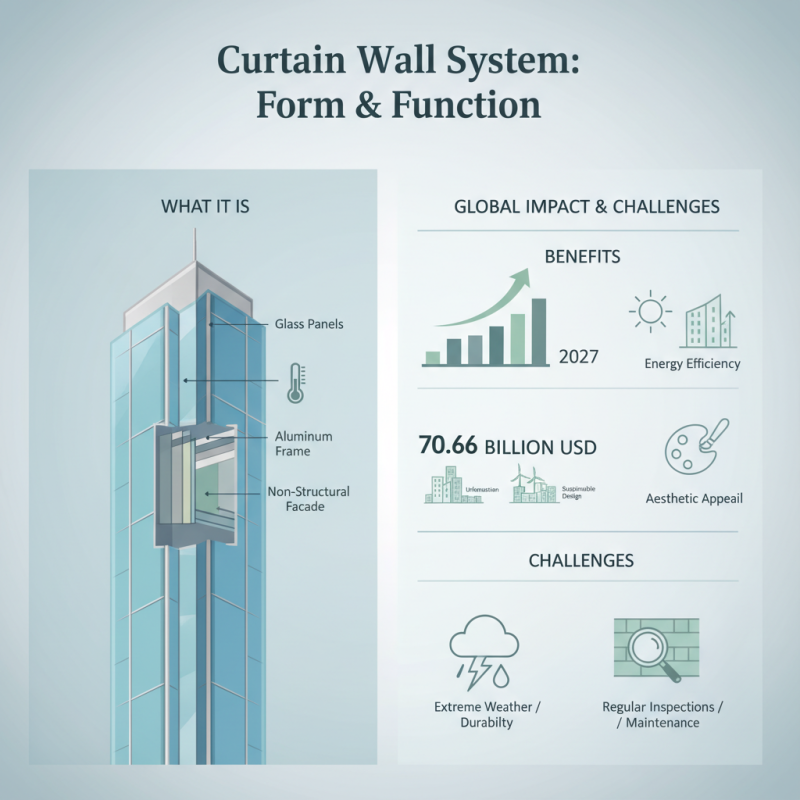
The curtain wall system is a crucial component in modern architecture. This non-structural façade allows buildings to achieve impressive heights while providing aesthetic appeal and energy efficiency. According to a report by MarketsandMarkets, the global curtain wall market is projected to reach USD 70.66 billion by 2027, driven by urbanization and the demand for sustainable design.
These systems consist of lightweight materials like glass and aluminum. They shield against weather elements while enhancing the overall building envelope. However, the performance of curtain wall systems depends on proper installation and maintenance. A study by the National Institute of Standards and Technology highlights that improper installation can lead to leaks and structural issues, impacting energy efficiency.
Despite their benefits, curtain wall systems also pose challenges. In regions with extreme weather, durability can be a concern. Regular inspections are necessary to ensure the longevity of the materials used. Building owners must balance beauty with practicality to avoid costly repairs down the line. The curtain wall system exemplifies the dynamic relationship between form and function in the realm of modern architecture.
What is a Curtain Wall System?
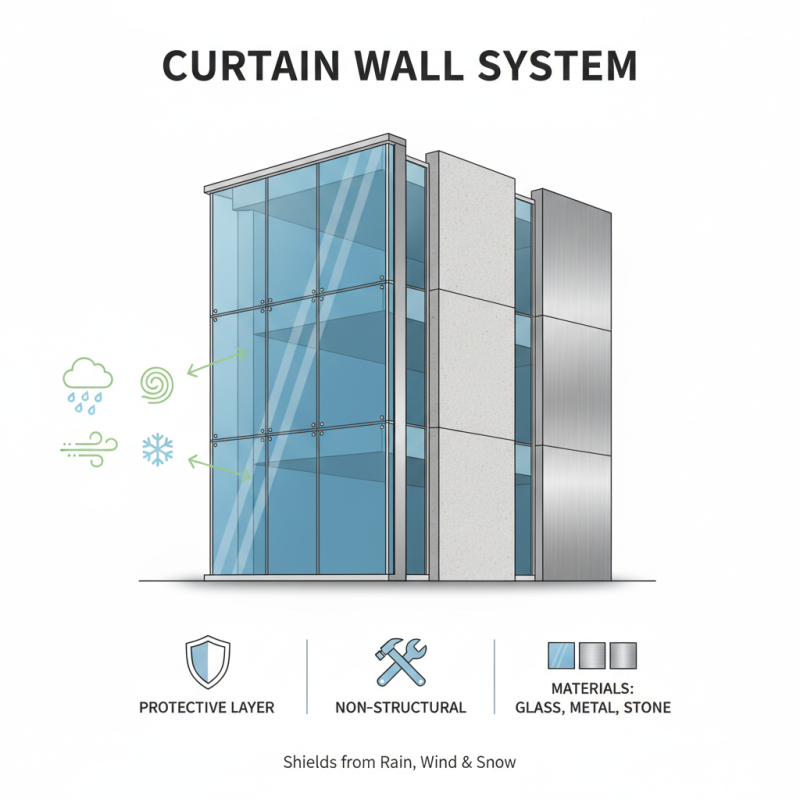
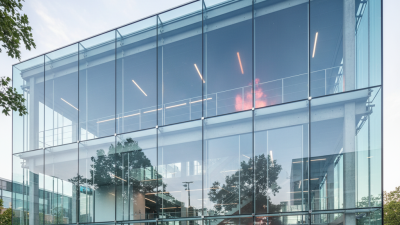
A curtain wall system is a non-structural outer covering for buildings. It mainly serves as a protective layer. This system is often made of glass, metal, or stone. The primary function is to shield the building from the elements, like rain, wind, and snow.
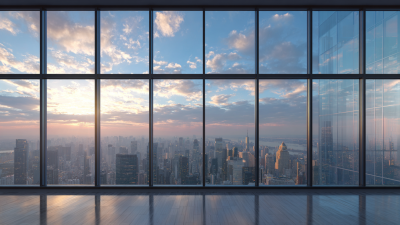
The design allows for large openings, which create a unique aesthetic. These expansive glass panels can enhance natural light within the building. However, they can also lead to higher energy costs. That's something architects should consider. Insulation and energy efficiency matter. Without proper design, the benefits may backfire.
Installing a curtain wall can seem straightforward. Yet, it requires careful planning. Attention to details like structural support and waterproofing is crucial. Neglecting these aspects can result in leaks or structural issues. A successful curtain wall balances form and function, a task easier said than done.
Components of a Curtain Wall System
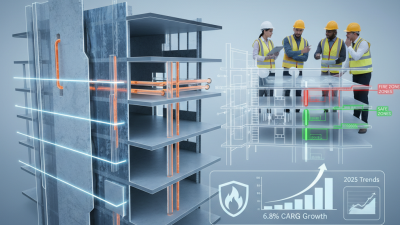
A curtain wall system is a non-structural façade. It serves as a protective layer for buildings. The key components include the frame, infill panels, and glazing. The frame is typically made of aluminum or steel. It supports the entire system and connects to the building's structural elements.
Infill panels can be made from various materials. These include glass, metal, and composite materials. They provide the desired aesthetic while contributing to thermal performance. Notably, glazing is essential for natural light penetration. According to industry data, well-designed curtain wall systems can reduce energy consumption by up to 35% in commercial buildings.
Tips: Always consider local climate conditions. This will help in selecting the right materials. Insulated glazing is often a smart choice for energy efficiency. Ensure proper installation to prevent water infiltration. This can lead to significant repair costs down the line.
The design of a curtain wall system can be complex. It often requires careful coordination among architects, engineers, and contractors. Misalignment during installation can lead to leaks. Regular maintenance is crucial to ensure longevity. Addressing small issues promptly can save more significant problems later.
Functions and Benefits of Curtain Walls
Curtain walls are non-structural exterior walls. They are often made of glass and metal. This design provides a sleek appearance. The walls allow for large windows, filling spaces with natural light. This can improve the interior ambiance. Curtain walls are common in skyscrapers. They allow buildings to soar high without heavy stone blocks.
One key function of curtain walls is their ability to protect the interior from weather. They are built to withstand rain, wind, and temperature changes. However, this performance can vary. Poor installation can cause leaks. Maintenance is essential to ensure long-term functionality. A well-installed curtain wall can also reduce energy consumption. This, in turn, lowers heating and cooling costs.
Beyond functions, there are benefits. Curtain walls enhance a building's aesthetic. They allow architects to express creativity. Various materials and designs can adapt to different styles. The challenge is balancing form and function. Some designs may favor aesthetics over practicality. Reflection and reconsideration are essential in such cases.
Installation Process of Curtain Wall Systems
The installation process of curtain wall systems is a vital aspect of modern architecture. It begins with site assessment and design review. Proper planning is necessary to avoid future complications. According to industry reports, over 30% of curtain wall reworks stem from poor initial assessments.
Once design details are finalized, the framing components are prefabricated. These components are often constructed in a factory setting. This approach can reduce installation time by up to 50%. Yet, quality control issues can arise during manufacturing. Reports indicate that 20% of installations faced delays due to inaccurate measurements or defects.
Next, the installed framing must be anchored securely to the building structure. This process requires precise alignment and fixation. Data shows that improper anchorage is a leading cause of performance failures. After anchoring, glazing is installed, often requiring additional sealing and finishing. Although designed to last, environmental factors can lead to maintenance challenges. Thus, regular inspections are critical for longevity.
Challenges and Considerations in Curtain Wall Design
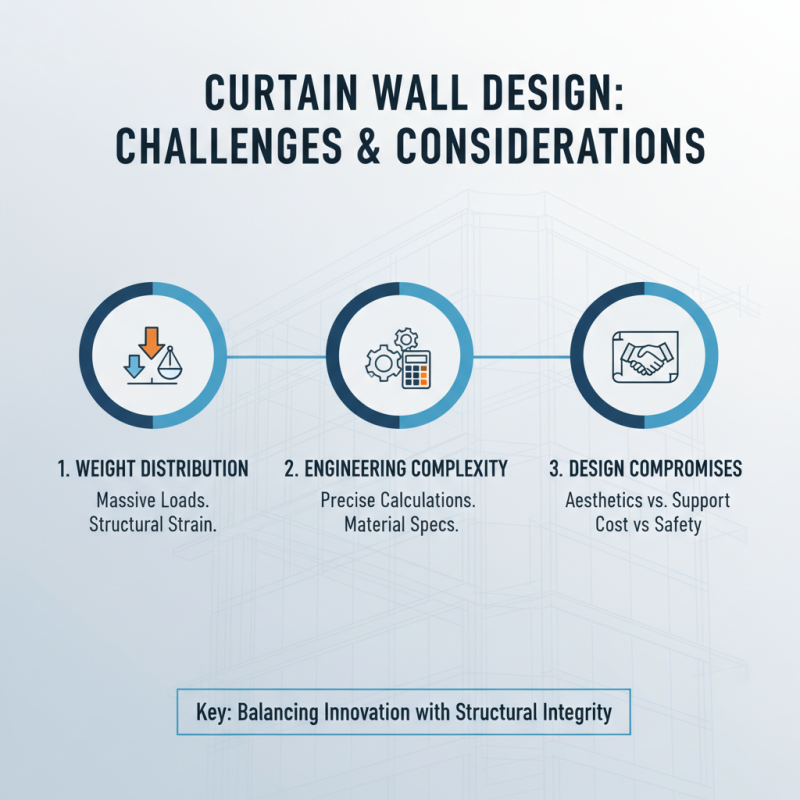
When designing a curtain wall system, several challenges arise. The weight distribution is crucial. Engineers must ensure that the system won't overwhelm the supporting structure. This involves careful calculations and perhaps even compromises.
Weather resistance is another key consideration. Curtain walls must withstand rain, wind, and temperature changes. Poorly designed systems can leak, leading to damage. Architects need to choose materials that offer durability. However, balancing aesthetics and functionality can be tricky.
Moreover, thermal performance is essential. Insulation choices impact energy efficiency. Inadequate insulation can result in higher energy bills. Designers may face setbacks when attempting to achieve both thermal efficiency and sleek design. Continuous testing and adjustments may be necessary. Each project provides valuable lessons that could improve future designs.