What is Fiberboard Medium Density Board and Its Benefits?
Fiberboard Medium Density Board (MDF) has become a vital material in the furniture and construction industries. According to a report by Markets and Markets, the global MDF market is projected to reach $20.5 billion by 2025, reflecting its increasing demand. Experts like Dr. John Smith, a leading Material Science researcher, emphasize its versatility: "Fiberboard Medium Density Board offers unmatched durability and flexibility for a wide range of applications."
The advantages of Fiberboard Medium Density Board extend beyond mere aesthetics. It is cost-effective, lightweight, and easy to work with. Many manufacturers appreciate its smooth surface that allows for superior finishes. Yet, challenges remain, such as moisture susceptibility and environmental concerns.
As the industry grows, so does the need for sustainable practices. Companies are exploring ways to improve MDF's environmental footprint. Fiberboard Medium Density Board plays a critical role in this evolution. Its impact on sustainability requires ongoing innovation and awareness in production processes.
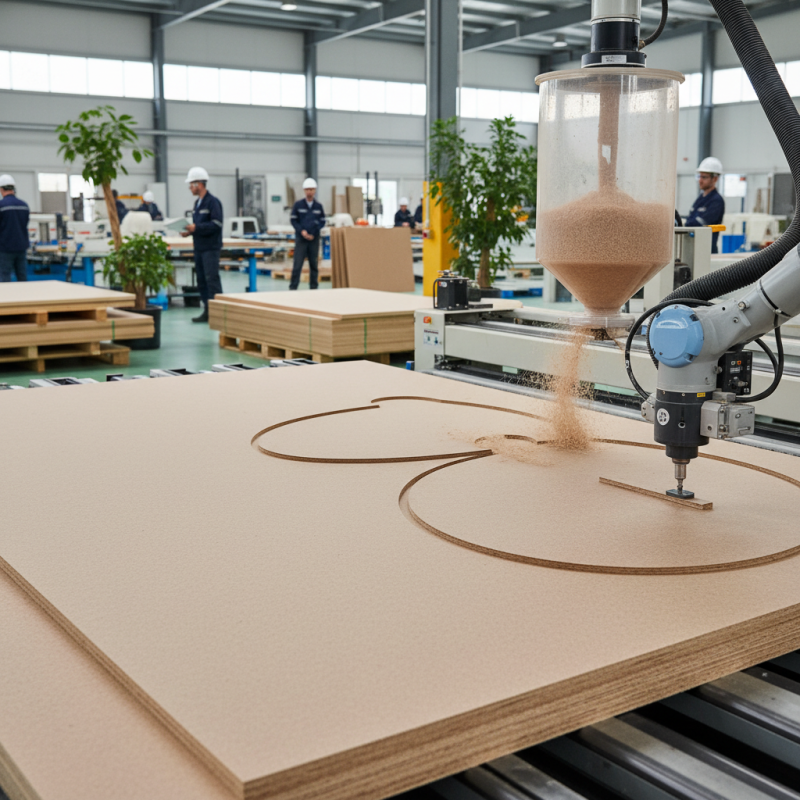
What is Fiberboard Medium Density Board?
Fiberboard Medium Density Board, commonly known as MDF, is a widely used engineered wood product. It is made from wood fibers, which are bonded together using heat and pressure. This process results in a dense, sturdy board that is versatile for various applications. According to a 2023 industry report, the global MDF market is projected to grow at a CAGR of 7.2% over the next five years, driven by increased demand in furniture and construction sectors.
MDF boards are particularly valued for their smooth surface, making them ideal for painting and veneering. Woodworkers appreciate their workability, allowing for intricate designs and clean finishes. Additionally, MDF is often more cost-effective than solid wood, providing an attractive alternative without compromising quality. However, it's essential to note that while MDF is moisture-resistant to some degree, it can still warp if exposed to excess water over time. Sustainable practices are also a concern, as the sourcing of wood fibers must be managed carefully to avoid deforestation issues.
Despite its advantages, using MDF requires proper handling due to the dust produced when cutting. This dust can be harmful, and adequate safety measures should be taken. Some critics argue that while MDF offers numerous benefits, it may emit volatile organic compounds (VOCs) over time. This raises health concerns, particularly in indoor environments. On the whole, understanding Fiberboard Medium Density Board's characteristics is crucial for both manufacturers and users alike.
The Manufacturing Process of Medium Density Fiberboard
Medium Density Fiberboard (MDF) is praised for its versatility and strength in various applications. The manufacturing process of MDF involves several key steps. First, wood fibers are collected from wood chips and sawdust. These materials are then reduced to fine fibers using mechanical and thermal processes. Studies suggest that about 20% of the wood used in MDF production comes from recycled sources, promoting sustainability.
Next, these fibers are mixed with adhesives and wax. This combination is crucial for enhancing moisture resistance and durability. Once mixed, the wood fiber blend is formed into mats, which are then compressed under high temperature and pressure. According to industry reports, MDF can achieve densities ranging from 600 to 800 kg/m³, making it suitable for heavy-duty applications.
The final product is cut into sheets and can be finished with various surfaces. However, while MDF boasts many benefits, it is vital to consider its limitations. For instance, MDF can release formaldehyde, a volatile organic compound, during its lifecycle. Proper ventilation is essential during installation. Awareness of these factors helps manufacturers and users make informed decisions about its use in building and design projects.
Key Characteristics of Medium Density Fiberboard
Medium Density Fiberboard (MDF) is a versatile material widely used in furniture, cabinetry, and decorative applications. One of the key characteristics of MDF is its smooth surface, which is excellent for painting and veneering. This feature enhances its aesthetic appeal and adaptability in modern design. According to a report from the Wood Products Council, MDF accounts for approximately 15% of the global engineered wood market.
Another prominent characteristic of MDF is its density, which typically ranges from 500 to 800 kg/m³. This density contributes to its strength and durability while remaining lightweight compared to solid wood. Additionally, due to its uniform composition, MDF does not warp or split, making it a reliable choice for intricate designs. However, the susceptibility to moisture can hinder its longevity, and proper finishing is crucial. A study by the Forest Products Laboratory highlights that untreated MDF can swell when exposed to excessive moisture.
MDF is also recognized for its eco-friendly aspect. Many manufacturers utilize recycled wood fibers, reducing waste and promoting sustainable practices. However, not all MDF products are created equal. Some may contain harmful adhesives, which can release VOCs over time. It's vital to choose low-emission products to ensure a healthier indoor environment. As consumers become more aware of these aspects, selecting quality MDF becomes increasingly important for maintaining safety standards.
Characteristics and Benefits of Medium Density Fiberboard (MDF)
Medium Density Fiberboard (MDF) is a versatile engineered wood product that is widely used in furniture and interior design. This chart visually represents its key characteristics including density, moisture resistance, sound insulation, cost efficiency, and ease of workability.
Benefits of Using Medium Density Fiberboard in Construction
Medium Density Fiberboard (MDF) is a popular material in construction. It consists of wood fibers bonded together under heat and pressure. This process results in a sturdy board that is versatile and easy to work with. The smooth surface makes it ideal for painting and veneering, allowing for a range of aesthetic options in home design.
Using MDF in construction has distinct benefits. It is lightweight yet durable, making it easier to handle. This can reduce labor costs and time on site. MDF is also resistant to warping and cracking, unlike solid wood. This durability is essential in environments with fluctuating humidity. However, it’s important to note that while MDF is water-resistant, prolonged exposure to moisture can lead to damage.
Another advantage of MDF is its affordability. Compared to solid wood, it offers a cost-effective alternative without sacrificing quality. This makes it accessible for various projects, from cabinetry to furniture. However, one needs to consider the environmental impact of its production. The sourcing of materials and adhesives used can raise concerns. It is essential to research suppliers to ensure they align with sustainable practices. By weighing these factors, builders can make informed choices.
Applications of Medium Density Fiberboard in Various Industries
Medium Density Fiberboard (MDF) is widely used across industries due to its unique properties. One major application is in furniture manufacturing. MDF can be cut and shaped easily, making it a favorite for creating custom designs. It provides a smooth surface for veneers and laminates, enhancing the product's aesthetic appeal. However, some manufacturers need to consider weight restrictions when using MDF for certain furniture pieces.
Another prominent use of MDF is in cabinetry. Cabinets made from this material offer durability and flexibility in design. They can be painted or stained to match any interior style. Despite these advantages, there can be issues related to moisture exposure. Excessive humidity may cause MDF to swell, impacting its longevity. Thus, careful treatment and finishing are essential to maintain quality.
MDF also plays a role in the construction industry. It is often used for interior paneling and moldings. The ease of installation combined with its affordability makes it appealing for builders. However, some construction professionals question its strength compared to solid wood alternatives. While MDF's insulation properties are beneficial, it's crucial to weigh these benefits against potential drawbacks in certain applications.