What is Fire Rated Glass and How Does It Work?

Fire rated glass is an essential component in modern architecture. Its primary purpose is to contain fire and smoke, providing crucial protection in buildings. This specialized glass is designed to withstand high temperatures for a specific duration. It plays a vital role in safety measures, especially in commercial and residential spaces.

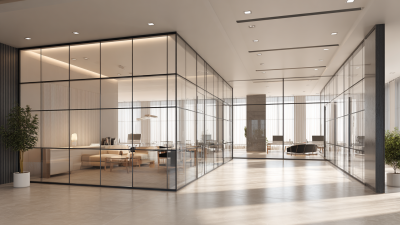
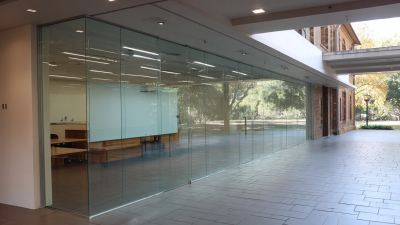
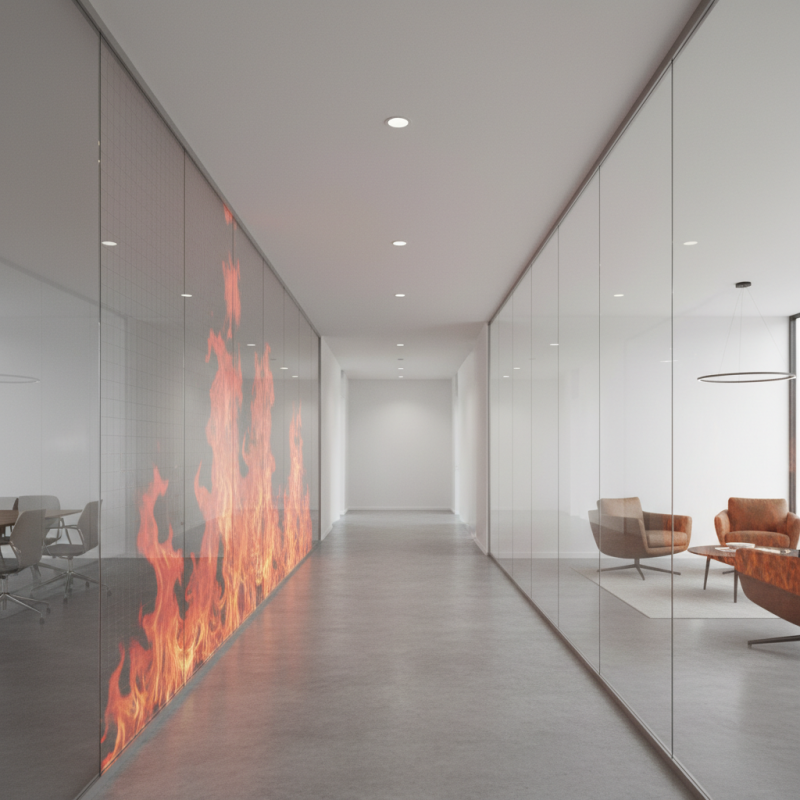
Imagine a corridor lined with fire rated glass partitions. These transparent barriers allow light to flow while keeping flames contained. They can be aesthetically pleasing and functional at the same time. However, not all fire rated glass is created equal. Different ratings indicate varying strengths against fire. It's important to understand these ratings when selecting materials for construction.

When choosing fire rated glass, quality matters. Some products may not perform as expected under stress. This can lead to potential hazards. There’s always a need to evaluate options carefully. The balance between safety, design, and cost can be challenging. In the end, ensuring proper installation and maintenance is key for effective fire protection.
What is Fire Rated Glass and How Does It Work?

What is Fire Rated Glass?

Fire rated glass is a specialized product designed to withstand high temperatures during a fire. Its primary purpose is to protect lives and property by slowing the spread of flames and smoke. Typically made of tempered glass or laminated glass, fire rated glass can resist flames for a specific duration, often between 30 to 120 minutes. This gives occupants crucial time to evacuate and aids firefighters in their rescue efforts.

Data from industry reports suggest that more than 3,300 fires occur in commercial buildings annually. Fire rated glass plays a vital role in these settings. In offices, schools, and hospitals, it serves as barriers that prevent fire from spreading quickly. According to a study by the National Fire Protection Association, nearly 80% of fire-related deaths occur in non-sprinklered buildings. Clearly, incorporating fire rated glass can significantly enhance safety measures.

However, there are limitations. Not all fire rated glass products are created equal. Installation must comply with strict building codes to ensure effectiveness. Potential buyers often overlook these details. They assume that simply using fire rated glass guarantees safety, but it requires proper handling and understanding of certification levels. There's a pressing need for educational resources to address these gaps.
Types of Fire Rated Glass and Their Applications

What is Fire Rated Glass and How Does It Work?

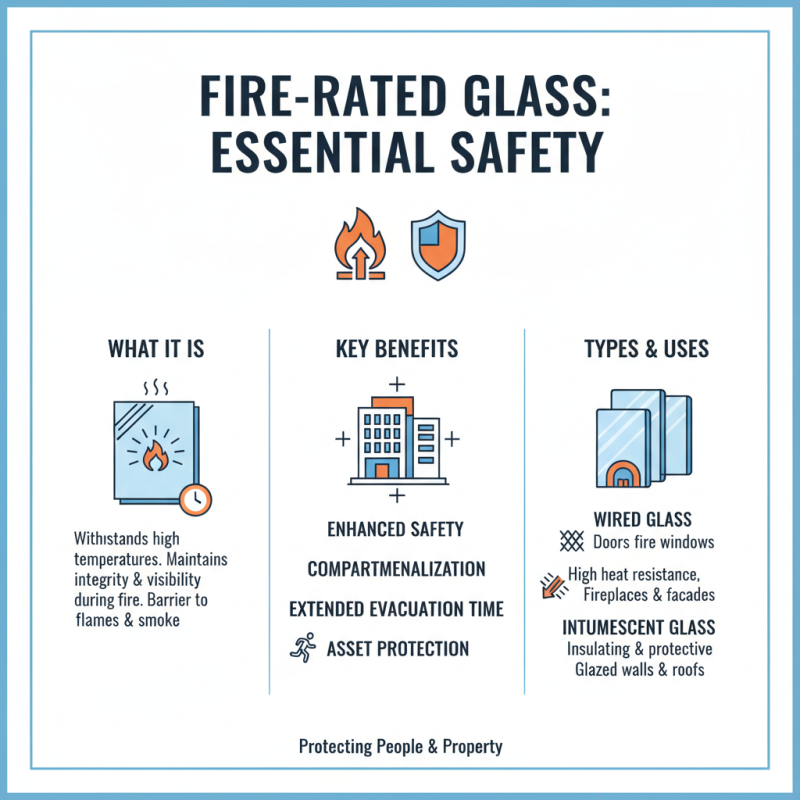
Fire-rated glass is essential for safety in various buildings. It is designed to withstand high temperatures while maintaining visibility and protection. There are different types of fire-rated glass, each suitable for specific applications.

Tempered glass is the most common type used in fire-rated applications. It can withstand fire for up to 20 minutes. This makes it ideal for internal partitions and doors. Laminated fire-rated glass offers enhanced protection, often used in high-risk areas. It can last up to 90 minutes under fire conditions. This type is crucial for fire exits and stairwells. Insulated glass units provide excellent thermal performance, suitable for facades and windows. They create barriers against heat and flames.

**Tips:** Always check local building codes. They dictate the specific types of fire-rated glass required. Don’t overlook installation quality. Poor installations can reduce the effectiveness of fire-rated glass significantly. Regular maintenance is necessary to ensure safety. Fire-rated glass can fail over time due to stress or damage. Assess your environment to choose the right type.

How Fire Rated Glass Is Tested and Rated

What is Fire Rated Glass and How Does It Work?

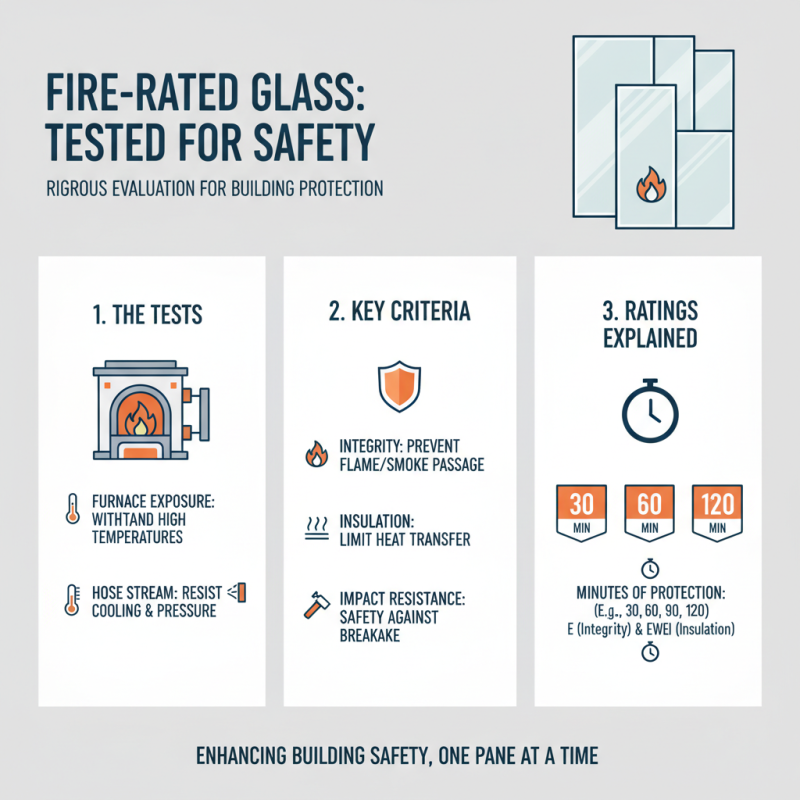
Fire rated glass plays a crucial role in enhancing safety in buildings. Understanding how it is tested and rated is essential. Fire rated glass undergoes a series of rigorous tests to ensure it can withstand high temperatures and prevent the spread of flames. These tests include exposure to fire for specified durations, such as 30, 60, or 120 minutes, depending on the intended application.

During testing, the glass is assessed for two main attributes: integrity and insulation. Integrity means the glass must remain intact and not allow flames to pass through. Insulation means it should minimize the heat transfer. Industry reports indicate that up to 80% of fire-related injuries occur when people are trapped in a burning building. Properly rated glass can create critical safe zones.

**Tip:** When selecting fire rated glass, check for certification labels. These ensure the product meets safety standards.

It’s important to note that not all fire rated glass is the same. Some may provide better thermal insulation than others. Always consult relevant building codes and guidelines. Remember, improper installation or maintenance can compromise its effectiveness. Check your fire rated glass regularly.

**Tip:** Make fire safety a priority in your building design. Regular audits can help maintain compliance.

Mechanisms of Fire Resistance in Glass Products

Fire-rated glass is essential in modern building safety. It mainly acts as a barrier during a fire. The glass is manufactured using a unique process that enhances its strength and resistance. This means it can withstand high temperatures and prevent flames from spreading.

There are various mechanisms at play in fire-rated glass products. One method involves using a special intumescent layer. When exposed to heat, this layer expands. It creates an insulating barrier, slowing the fire's progress. Additionally, some fire-rated glass contains special coatings. These coatings reflect heat away, which helps maintain lower temperatures on the unexposed side.

Despite advancements, concerns remain about the limits of fire-rated glass. Some products may not perform as expected under extreme conditions. It's crucial to test these materials in real-life scenarios. Builders should continually assess their options. The goal is to enhance safety without compromising design.

Installation and Maintenance Considerations for Fire Rated Glass

When installing fire rated glass, careful consideration is essential. This type of glass is designed to withstand high temperatures and prevent the spread of fire. Various industry reports indicate that improper installation can reduce effectiveness by up to 30%. It’s crucial to follow manufacturer specifications precisely.

Tips: Always check for proper edge finishing. It can affect the overall performance.

Maintenance is another key factor. Regular inspections help identify cracks or defects early. Reports show that nearly 15% of fire rated glass fails during routine checks. Ensure all seals are intact and free of debris. This keeps the glass performing under stress.

Tips: Schedule inspections at least twice a year. This will help maintain compliance with safety regulations.

Avoid common pitfalls. Failing to use the correct framing can lead to catastrophic failures. Many businesses overlook the integration of fire rated glass with existing structures. Consulting with professionals during installation can prevent future issues. Remember, the safety of your building depends on consistent installation and maintenance practices.