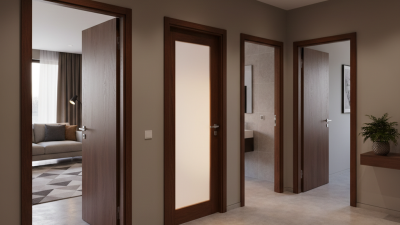
What is a Fire Rated Interior Door and Why is it Important?
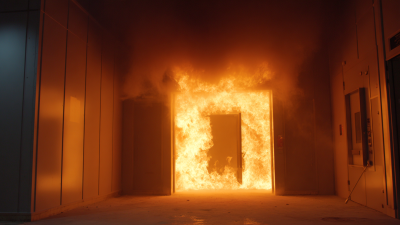
A "fire rated interior door" is a crucial element in building safety. These doors are designed to resist fire, providing essential protection during emergencies. According to industry expert John Smith, “A fire rated interior door can be the difference between life and death in a fire.”
The effectiveness of these doors hinges on proper installation and compliance with safety codes. Many property owners underestimate their importance. A mistake can endanger lives and property. Fire rated interior doors are not merely functional; they must integrate seamlessly into the building design.
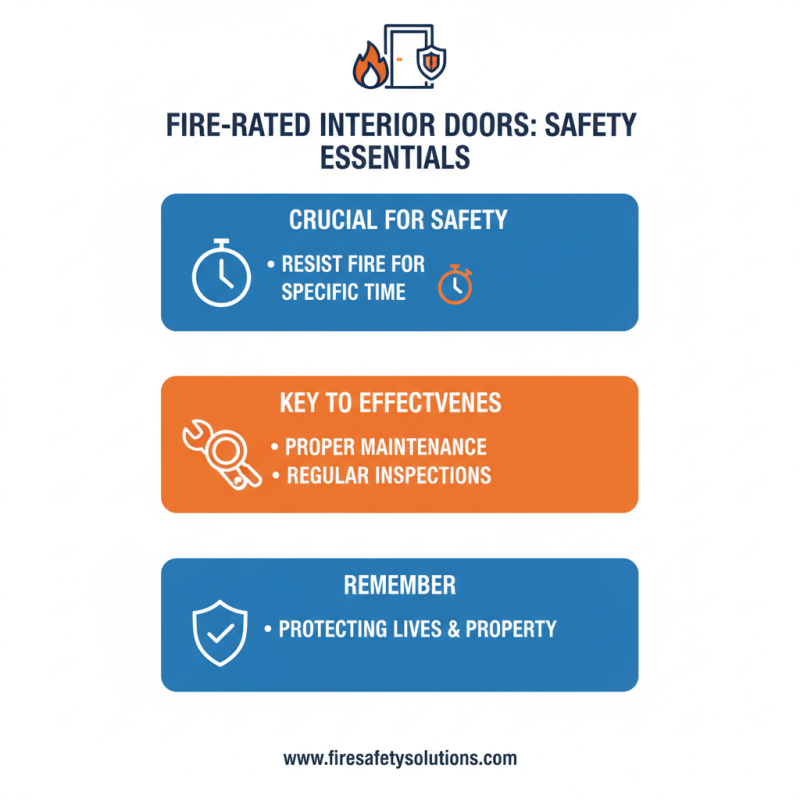
It’s critical to choose the right materials and ratings. Moisture, temperature, and wear can affect their performance. Inadequate attention to detail in specifications may lead to failures. Regular inspections and maintenance of fire rated interior doors are often overlooked yet essential. They serve as barriers, but even the best doors need care.
What Defines a Fire Rated Interior Door?
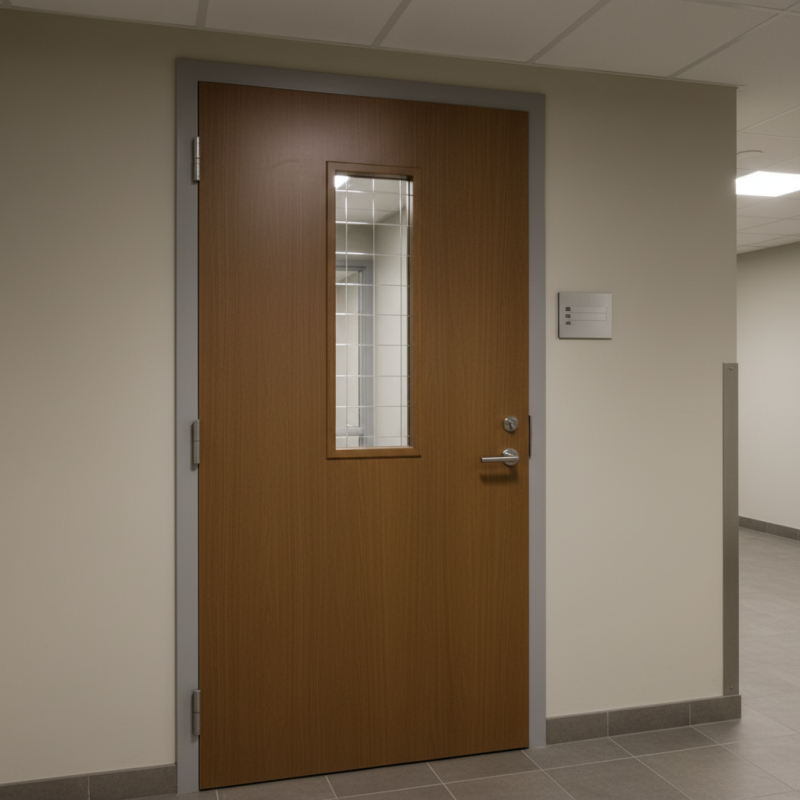
A fire-rated interior door is an essential safety feature in modern buildings. It is designed to withstand fire for a specified period. This durability helps to contain fires and smoke, allowing occupants more time to escape. The design includes materials such as gypsum or special steel that delay the spread of flames. Often, these doors must meet strict building codes.
Several factors define a fire-rated interior door. The rating indicates how long the door can resist fire, typically ranging from 20 to 90 minutes. The door's construction, including the core and the seals, contributes significantly to its fire resistance. Hardware, such as the hinges and locks, also plays a role. Some doors may come equipped with self-closing mechanisms. These features help improve safety in various settings, like offices and schools.
Installation is crucial to maintaining the fire rating. Gaps around the door must be minimal. Even small openings can compromise safety. Regular inspections are necessary to ensure the door remains effective. Users should also be aware of the door's condition. A scratched surface or damaged seal can reduce its fire resistance. Understanding these factors is vital for effective fire protection and safety awareness.
Types of Fire Rated Interior Doors and Their Ratings
Fire rated interior doors serve a crucial role in enhancing building safety. They are designed to slow the spread of fire and smoke. This can give occupants extra time to evacuate. Different types of these doors have varying fire resistance ratings. Common ratings include 20, 45, 60, and 90 minutes. Each rating indicates how long the door can withstand flames.
Stainless steel and wood are popular materials for fire rated doors. Steel doors provide superior resistance compared to wood. However, they might not suit all interior designs. Wood doors can blend better with decor but may require special ratings. The choice often reflects a balance between aesthetics and safety.
Choosing the right fire rated door can be confusing. Not every space needs the highest rating. It’s essential to assess the specific needs of each area. Areas like kitchens or mechanical rooms often require stronger doors. Fire rated doors can be a safety investment, but they shouldn't be overlooked. Inadequate research might lead to ill-suited choices. This reflects the importance of consulting professionals. They can help determine the best options for each setting.
Key Advantages of Installing Fire Rated Interior Doors
Fire rated interior doors play a critical role in building safety. They can help contain fires for a specified duration, allowing occupants more time to evacuate. According to the National Fire Protection Association (NFPA), 60% of fire-related deaths occur in residential structures. This highlights the importance of having fire rated doors.
One key advantage of these doors is their ability to slow down the spread of smoke and flames. A typical fire rated door can hold back fire for 20 to 90 minutes. This time can significantly reduce property damage. Additionally, fire rated doors often have thermal insulation properties. This can minimize heat transfer, protecting escape routes.
Another benefit is sound reduction. Fire rated doors are usually heavier, providing better sound insulation. This can improve the comfort of living spaces. However, some may overlook their upkeep. Regular maintenance of seals and hardware is crucial. Ignoring this can compromise their effectiveness. Proper installation is also essential. An improperly fitted door can lead to significant risks. Overall, fire rated doors are essential for safety, yet they require attention and care.
What is a Fire Rated Interior Door and Why is it Important? - Key Advantages of Installing Fire Rated Interior Doors
| Advantage |
Description |
Typical Rating |
Applications |
| Fire Resistance |
Designed to withstand fire and prevent its spread. |
20 to 90 minutes |
Commercial buildings, high-rise apartments |
| Safety Compliance |
Meets local building codes and safety regulations. |
Varies by jurisdiction |
Public spaces, schools |
| Smoke Protection |
Helps limit smoke travel during a fire. |
N/A |
Healthcare facilities, hotels |
| Energy Efficiency |
Can improve energy efficiency by insulating against outside conditions. |
N/A |
Residential and commercial buildings |
| Aesthetic Value |
Available in a variety of styles and finishes. |
N/A |
Suites, offices |
Installation Guidelines for Fire Rated Interior Doors
When installing fire rated interior doors, precise guidelines must be followed. These doors play a critical role in enhancing safety. They are designed to slow the spread of fire and smoke. Choosing the right time for installation is vital. It’s best to do so during the initial stages of construction. This ensures a proper fit and alignment with the surrounding structures.
Before installation, check local building codes. These codes dictate specific requirements for fire rated doors. The door frame needs to be installed correctly. It should be secured and aligned to ensure a tight seal. This can be tricky; even a small gap can compromise effectiveness. Use fire resistant materials around the door frame.
After installation, it's important to perform regular checks. Sometimes, the door may warp. Even a slight misalignment can reduce its effectiveness. Inspect the hinges and locks frequently. They need to function properly to provide maximum safety. Document any issues you find. Reflecting on these aspects strengthens your fire safety plan.
Fire Rated Interior Doors: Importance and Installation Guidelines