What Are Fire Rated Windows and How Do They Work?
Fire rated windows are an essential component in modern building safety. According to the National Fire Protection Association (NFPA), specially designed windows can significantly delay the spread of fire and smoke. This vital feature can provide occupants more time to evacuate safely. Industry expert James Keller emphasized this point: "Fire rated windows can be the crucial difference in life safety during a fire event."
These windows are engineered with materials that resist heat and flames. They are tested to withstand specific temperatures and limits for a designated time. However, there’s a gap in awareness about their use and installation. Many buildings still lack these safety features, putting lives at risk. A report from the American Society for Testing and Materials (ASTM) highlights that the proper usage of fire rated windows can cut down fire losses by up to 15%.
Yet, even with advancements, the complexity of codes and regulations can complicate their implementation. Questions often arise about maintenance and real-world performance. Building owners must be diligent, as neglecting fire safety requirements can lead to disastrous consequences. The focus on integrating fire rated windows should remain a top priority in construction and renovation. A clear understanding of their function is crucial for everyone involved in building safety.
Definition of Fire Rated Windows and Their Purpose
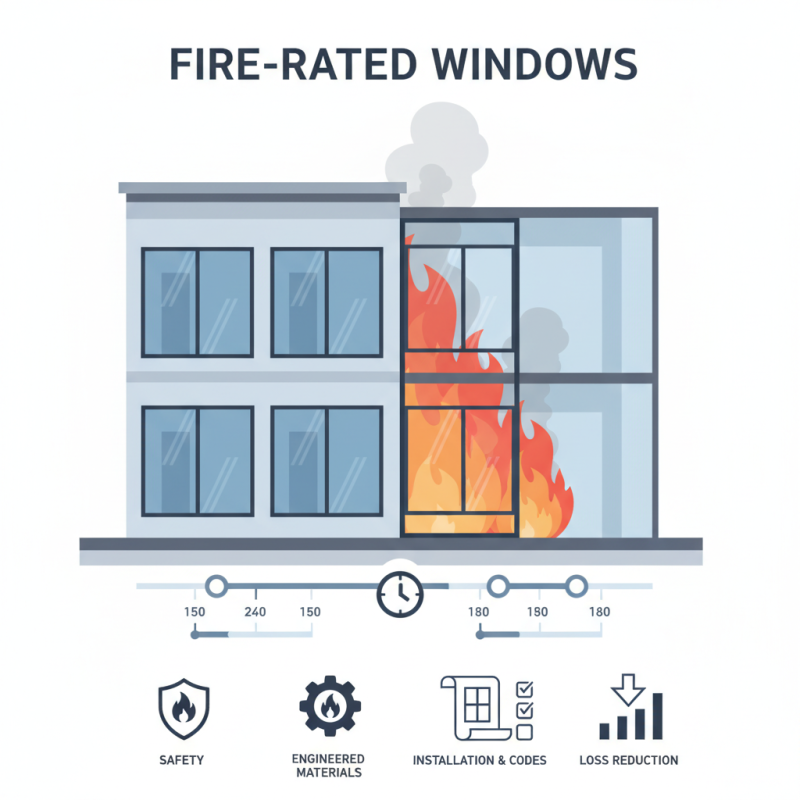
Fire rated windows are specialized glass installations designed to withstand high temperatures during a fire. Their primary purpose is to protect lives and property by preventing the spread of flames and smoke. These windows are made from materials that can endure exposure to extreme heat for a specified duration. This duration is critical because buildings often have different occupancy types and safety regulations.
These windows act as barriers. When a fire occurs, they help contain the flames to one area. This delay can be vital for evacuation and for emergency services to respond. Fire rated windows are often used in commercial buildings and certain residential areas. They come in various designs and configurations to blend seamlessly with architectural styles.
However, it's important to recognize that even the best fire rated window isn't a foolproof solution. Regular maintenance and checks are essential. Additionally, ensuring that they are properly installed can be a challenge. Many people overlook the importance of these factors, thinking they are safe just because the windows are fire rated.
Materials Used in Fire Rated Windows
Fire rated windows are crucial for building safety. They are designed to withstand high temperatures during a fire. The materials used in these windows play a vital role in their effectiveness. Common materials include tempered glass and special fire-resistant frames.
Tempered glass can endure heat better than regular glass. It’s a key component in these windows.
Another important material is intumescent glazing. This special substance expands when exposed to heat, creating a barrier against flames and smoke. The framing materials often include steel or special fire-resistant alloys. These materials help ensure structural integrity during a fire. However, it is essential to recognize that not all fire rated windows are created equal.
Some windows may not perform as expected under extreme conditions. Installation quality also matters greatly. If not installed correctly, even the best materials can't guarantee safety. Reviewing these factors is crucial.
Fire rated windows can save lives, but understanding their composition and limitations is equally important.
How Fire Rated Windows Function During a Fire
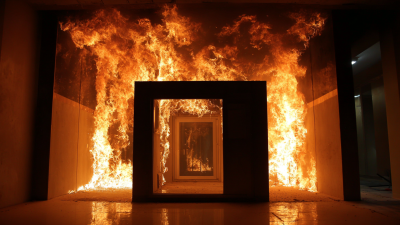
Fire rated windows play a crucial role during a fire. They are designed to withstand high temperatures for a specific duration. This can be anywhere from 30 minutes to several hours, depending on the rating. A recent report from the National Fire Protection Association highlighted that fire-rated glass can help slow down the spread of flames and smoke. This buys valuable time for occupants to evacuate safely.
During a fire, these windows function by preventing heat transfer. They have special coatings and multiple layers. Some models may include intumescent materials that expand when exposed to heat. This expansion forms a protective barrier against flames. Studies indicate that buildings with fire-rated windows have a reduced risk of fire spreading. In fact, the risk can decrease by as much as 50% in certain structures.
However, it's important to note that fire-rated windows are not indestructible. They can fail under extreme conditions. Regular maintenance is essential to ensure they perform effectively. Improper installation can also compromise their integrity. Reports suggest that nearly 30% of fire-related incidents involve compromised window systems. Understanding these nuances can guide better safety practices in fire prevention.
Understanding Fire Rated Windows Performance
This bar chart illustrates the performance of fire rated windows across different fire resistance durations (30, 60, 90, and 120 minutes) based on the number of instances where each duration effectively prevented fire spread.
Standards and Regulations for Fire Rated Windows
Fire rated windows are essential for enhancing safety in buildings. They are designed to withstand high temperatures and limit the spread of fire. The materials used for these windows include special glass and frames that can endure intense heat. They play a critical role during emergencies, preventing smoke and flames from entering different areas of a structure.
Standards and regulations for fire rated windows vary across regions. Organizations establish guidelines based on testing and performance evaluations. For example, windows often must meet specific ratings, such as a 60-minute fire resistance. These ratings depend on how long windows can withstand flames without breaking. However, compliance processes can be confusing. Some manufacturers may struggle with adhering to the latest standards.
Building codes dictate when and where fire rated windows must be installed. Some areas require them in high-risk buildings, like hospitals and schools. Yet, the enforcement of these rules can be inconsistent. This inconsistency raises questions about safety. It's crucial for architects and builders to stay informed. Regular updates to codes challenge everyone in the industry. Understanding these standards can help ensure safety for all occupants.
What Are Fire Rated Windows and How Do They Work? - Standards and Regulations for Fire Rated Windows
| Dimension |
Description |
Rating Standards |
| Material Used |
Typically made of tempered glass or laminated glass |
ASTM E119 |
| Fire Rating Duration |
Commonly rated for 30, 60, or 90 minutes |
NFPA 80 |
| Thermal Insulation |
Designed to minimize heat transfer during a fire |
U-value Standards |
| Testing Methods |
Tested for integrity and insulation using specified standards |
UL 9 |
| Applications |
Used in commercial buildings, hospitals, and residential areas |
Local Building Codes |
Applications of Fire Rated Windows in Building Design
Fire rated windows play a critical role in building design, especially in commercial properties. They are constructed to withstand high temperatures. This helps to prevent the spread of fire and smoke. These windows often feature special glass and frames. They can help protect both lives and property during a fire.
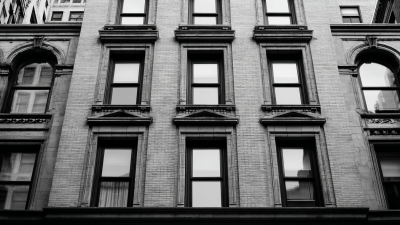
In office buildings, fire rated windows are commonly used. They are often installed near stairwells or hallways, which serve as escape routes. These areas are crucial during an emergency. However, sometimes the design can interrupt a building's aesthetics. Balancing safety and style is challenging. Architects must think deeply about their choices.
Another application includes residential buildings, where safety regulations are high. Fire rated windows may be required in specific zones. Location matters, especially in multi-family units. Yet, homeowners might find them visually unappealing. They may question the need. These subjective experiences highlight the ongoing conversation about safety versus design.