Why is Fireproof Glass Important for Safety and Protection?
Fireproof glass plays a crucial role in enhancing safety and protection in various environments. It is designed to withstand high temperatures and prevent the spread of flames. This glass material is essential in buildings, especially in commercial and residential settings. With fire hazards increasing, the need for reliable safety measures is more pressing than ever.
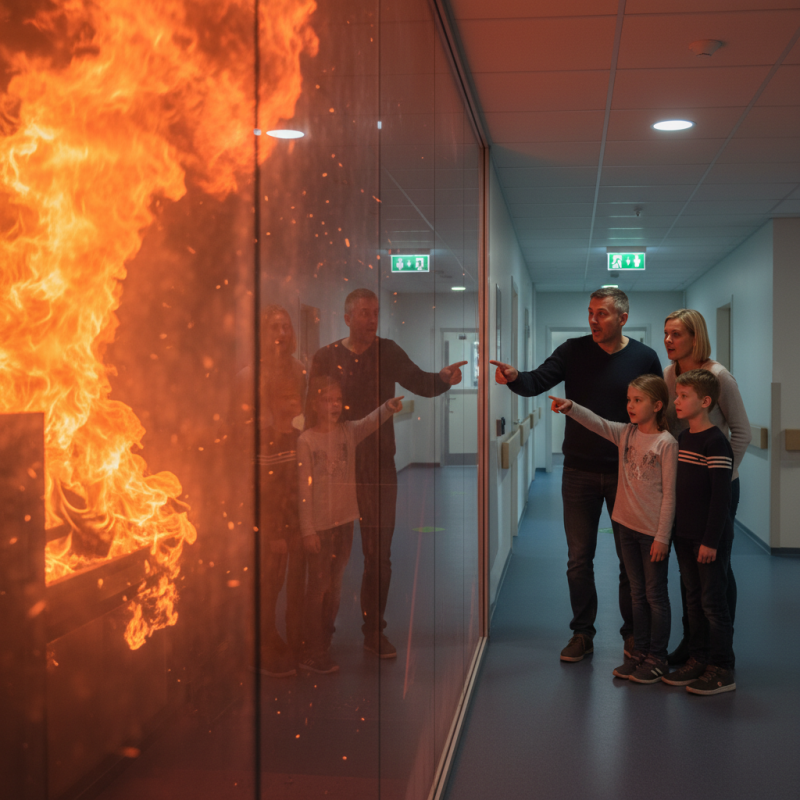
In many cases, fireproof glass can save lives. It not only secures windows and doors but also protects escape routes during emergencies. For instance, hospitals and schools must prioritize safety features like fireproof glass. However, some may overlook its significance until it is too late. Awareness about fire hazards needs improvement.
People often underestimate the potential risks that fire can pose. Fireproof glass provides a critical barrier, but it is not a magic solution. Regular maintenance and proper installation are vital for effectiveness. As we seek better safety solutions, we must not forget the importance of this material.
Importance of Fireproof Glass in Building Safety Standards
Fireproof glass plays a crucial role in building safety standards. It is designed to withstand high temperatures and prevent the spread of flames and smoke. This unique feature helps protect lives and property during a fire emergency. Fireproof glass can be used in various settings, including commercial buildings, residential spaces, and public facilities.
Choosing the right type of fireproof glass is essential. Different ratings indicate how long the glass can resist fire. It's vital to understand these ratings and select appropriate materials. Building codes often require specific fire-rated glass for safety. Consult local regulations to ensure compliance.
Tip: Regularly inspect fireproof glass installations. Check for cracks or defects that may compromise safety. Even minor imperfections can lead to significant risks. Always prioritize safety over aesthetics when making choices. Consider the environment too. Fireproof glass can be environmentally friendly, and modern options are available. Stay informed about innovations in fire safety technology.
Importance of Fireproof Glass in Building Safety Standards
Key Features and Properties of Fireproof Glass
Fireproof glass plays a crucial role in enhancing safety and protection in various settings. Its unique properties ensure it can withstand high temperatures and resist flames for extended periods. This type of glass is often made with specialized materials, such as tempered or laminated glass, which enhance its durability. When a fire breaks out, fireproof glass minimizes smoke and heat transfer, offering crucial escape time for occupants.
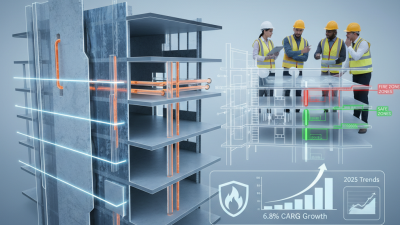
One of the defining features of fireproof glass is its ability to remain intact during extreme heat. Unlike regular glass, which shatters upon sudden temperature changes, fireproof glass maintains its structure and integrity. This characteristic is vital in creating safe environments, especially in commercial buildings and high-rise structures. Effective fire protection hinges on installing this robust glass in crucial areas like stairwells and atriums.
Despite its effectiveness, fireproof glass does have limitations that require thoughtful consideration. It may not be fully impervious to severe fire conditions. Additionally, the installation process must be precise to ensure its protective qualities are maximized. Reflecting on these aspects is important for architects and builders when planning safety measures. Choosing the right fireproof glass can greatly impact escape routes during emergencies.
Applications of Fireproof Glass in Different Industries
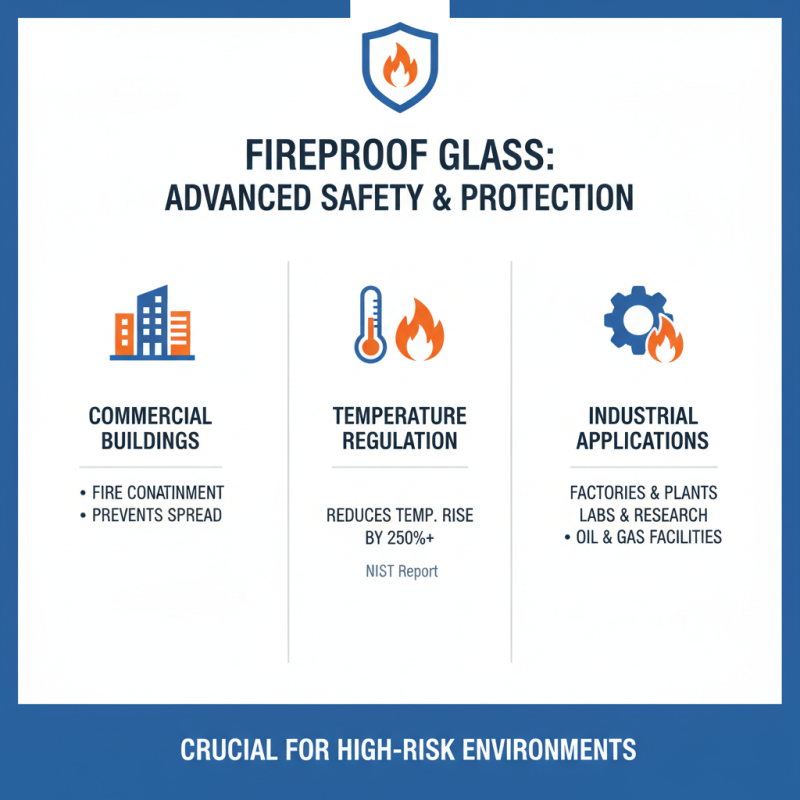
Fireproof glass plays a crucial role in various industries. It provides safety and protection in environments where fire risks are a concern. For instance, in commercial buildings, the use of fireproof glass can help contain fires and prevent them from spreading. According to a report by the National Institute of Standards and Technology, using fire-rated glass can reduce the risk of temperature rise in adjacent areas during a fire by 250% or more.
In the automotive industry, fireproof glass is essential for vehicle safety. It prevents fires from escaping and protects passengers. Studies show that vehicles equipped with high-quality fire-resistant materials can enhance occupant survival rates significantly. This feature is crucial for emergency services and public transport vehicles.
Tip: Always check the fire rating of glass before installation. Ratings indicate how long the glass can withstand fire exposure.
Another notable application is in the energy sector, especially in power plants. Fireproof glass shields control rooms and operational areas from possible explosions. A report from the Energy Safety Canada highlights that fire-resistant materials are now mandatory in many new builds.
Tip: Regular maintenance checks on installed fireproof glass can ensure optimal safety performance. Replace any damaged panels promptly to maintain protection.
While fireproof glass is beneficial, it is not a catch-all solution. It's important to remember that it must be part of a comprehensive fire safety strategy.
Comparative Analysis: Fireproof Glass vs. Regular Glass
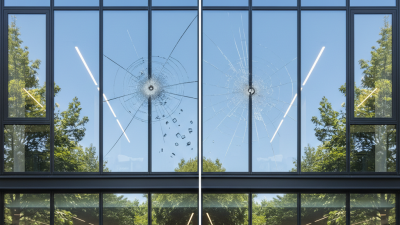
Fireproof glass stands out when compared to regular glass. It provides enhanced safety and protection in various environments. Regular glass can shatter easily under heat, posing severe risks. Fireproof glass, on the other hand, is engineered to withstand high temperatures. It remains intact longer during a fire, reducing the chance of injury.
In buildings, the significance of fireproof glass is evident. According to industry reports, a 1-hour fire-rated glass can endure temperatures exceeding 1,000 degrees Fahrenheit. This capability is crucial for preventing fire spread. Regular glass can melt or break within minutes, leading to panic and chaos. Fireproof glass offers a buffer, giving time for evacuation.
Tips: When considering fire safety, evaluate the glass options in your space. Ensure fireproof glass meets local safety standards. Regularly inspect installations for any signs of wear or damage. This proactive approach can save lives. Remember, not all glass is created equal, and understanding the differences is key to effective fire safety planning.