How to Source Cowboy Hat Plush in 2026?
Sourcing Cowboy Hat Plush in 2026 requires more than finding a cute Western shape. Buyers must evaluate fabric safety, stitching strength, stuffing recovery, packaging, and realistic production capacity. A soft beige hat with a stitched band may look charming online, yet its brim can collapse during shipping. That small failure can create returns, poor reviews, and unnecessary waste.
Market evidence supports careful selection. Circana’s global toy industry reporting shows that toy demand remains sensitive to price, seasonal promotions, and changing household budgets. Grand View Research also identifies plush toys as a growing category, supported by gifting, collectibles, and character-driven products. However, broad plush-market figures do not automatically prove demand for Cowboy Hat Plush. That distinction matters. Data can guide a decision, but it cannot replace buyer testing.
Chris Byrne, a veteran toy-industry analyst known as The Toy Guy, offers a useful principle: “A toy has to earn its place in the home.” For Cowboy Hat Plush, that means combining visual identity with practical value. Ask suppliers for material specifications, sample photos, seam close-ups, carton dimensions, and documented quality procedures. Test the brim after repeated squeezing. Check whether the decorative cord loosens. Confirm color consistency under warm store lighting.
The best sourcing plan is not always the cheapest one. A lower unit price may hide higher defect rates or slower replenishment. Compare at least three factories, request pre-production samples, and record every change. Some assumptions will be wrong. That is normal. A careful review process makes those mistakes smaller, earlier, and less expensive.
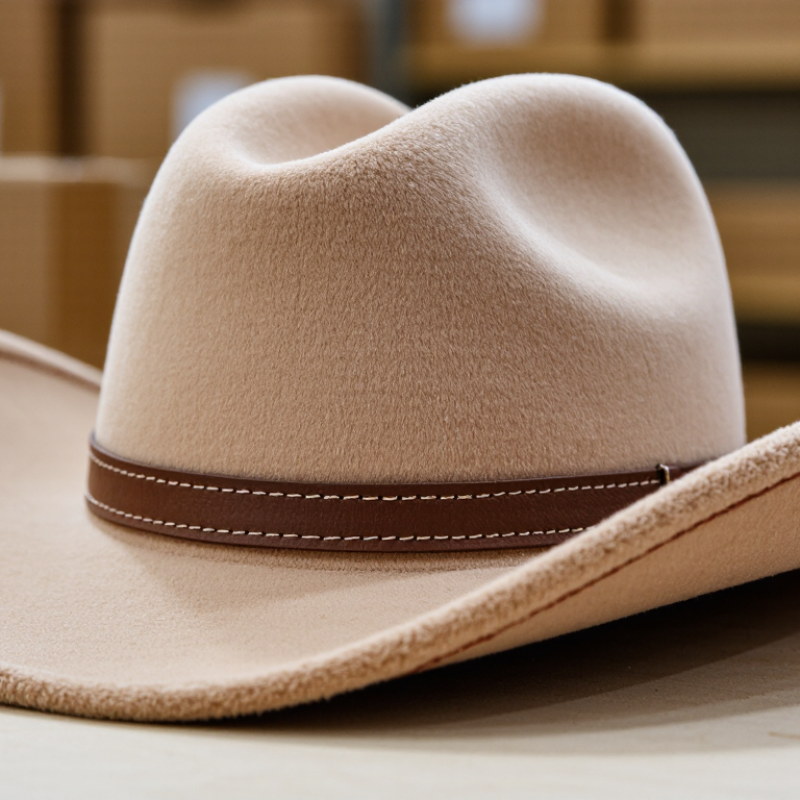
Define the Cowboy Hat Plush Product and Its Target Market
A cowboy hat plush is a soft, three-dimensional toy shaped like a Western-style hat. It may include a curved brim, stitched band, fabric details, and gentle stuffing. The product should feel light, flexible, and comfortable in small hands. For younger users, embroidered features are generally more dependable than loose decorations. Every seam deserves inspection.
When evaluating samples, I check the fabric surface, stuffing recovery, stitching strength, and odor after unpacking. A reliable supplier should provide material details, size measurements, cleaning guidance, and age-related safety information. I also suggest testing the hat after repeated squeezing and light washing. The first sample may look charming but feel too stiff. That mistake is easy to miss in photographs.
The main market includes children who enjoy pretend play, families seeking soft room decorations, and shoppers buying novelty gifts. A smaller segment includes Western-themed event organizers, photographers, and collectors of playful home accessories.
For children, a compact design with smooth edges and secure construction matters most. Adult buyers may prefer richer textures, neutral colors, or a more realistic hat shape. Seasonal demand could rise around birthdays, school performances, farm-themed parties, and holiday gifting.
However, the audience is not automatically large. Some customers may see the item as decoration rather than a toy, so product images should show scale, texture, and practical use clearly.
Set 2026 Sourcing Requirements, Budget, and Order Quantities
In 2026, sourcing cowboy hat plush begins with clear product requirements. Define the finished size, hat shape, fabric texture, filling, stitching strength, and color range. A 20-centimeter plush may suit gift shops, while a larger version needs more shelf space and packaging protection. Request material samples before approving production. Photos can hide uneven seams.
Set a realistic budget by separating development, sampling, manufacturing, packaging, testing, freight, and inspection costs. Keep 10–15% for changes or delays. This buffer may feel high, but small revisions often affect unit prices. Compare quotations using the same specifications. A low offer can exclude testing or individual packaging. Ask for written details, production timelines, payment terms, and quality checkpoints. Require documentation showing that materials and finishes meet the destination market’s safety requirements.
Tips: Start with a controlled order quantity. For an untested design, 300–500 units can reveal customer response without creating excessive inventory. Increase quantities only after reviewing sales data and defect rates. Negotiate price breaks around realistic demand, not optimistic forecasts. Confirm carton dimensions early; oversized cartons can quietly raise freight costs. Inspect pre-production samples under bright light and check the hat’s attachment by hand. I would also record every revision, because informal approvals can create expensive misunderstandings. Leave room to rethink the design. A plush that looks charming in a sample room may feel too heavy, flat, or fragile in daily handling.
Find and Compare Qualified Cowboy Hat Plush Manufacturers
How to Source Cowboy Hat Plush in 2026?
Finding a qualified cowboy hat plush manufacturer requires more than comparing catalog photos. Grand View Research estimates the global stuffed toys market will continue growing through 2030, driven by gift demand and character-based products. That growth attracts new suppliers. Some lack stable sewing capacity. Request the factory address, production history, export markets, and recent audit records. A short video call can reveal crowded worktables, weak quality control, or unfinished samples.
Compare manufacturers through one identical specification sheet. Include plush fabric composition, hat shape, embroidery size, filling weight, dimensions, color tolerance, packaging, minimum order quantity, and lead time. Ask for a pre-production sample. Check the brim by bending it repeatedly. Inspect seam strength, loose threads, stitching density, and odor. ASTM F963 and EN 71 testing may apply, depending on the destination market. ISO 9001 certification helps, but it does not replace product testing. Certificates can be outdated. Check the report number and testing scope.
Industry reports from the Toy Association show that safety, value, and product differentiation strongly influence toy purchasing decisions. Therefore, compare the landed cost, not only the unit quotation. Request material test reports and a clear replacement policy for defective goods. A supplier offering the lowest price may use thinner fabric or lighter filling. That is easy to miss. A realistic comparison should score quality, communication speed, sampling accuracy, capacity, compliance, and payment terms. I would also place a small trial order before scaling. It adds time, but prevents expensive assumptions.
How to Source Cowboy Hat Plush in 2026?
Find and Compare Qualified Cowboy Hat Plush Manufacturers
Use this procurement scorecard to compare manufacturers before requesting samples. Product safety compliance and sample quality should be treated as essential requirements, while lead time, minimum order quantity, customization capability, and quality-control documentation help distinguish suppliers with stronger production readiness.
Finalize Pricing, Contracts, Quality Control, and Shipping Plans
How to Source Cowboy Hat Plush in 2026?
Pricing, contracts, quality control, and shipping should be planned together. When sourcing cowboy hat plush, calculate the full landed cost, not only the factory price. Include sampling, embroidery setup, packaging, inspection, freight, duties, and possible storage fees. Ask for a written quote with currency, minimum order quantity, production time, and payment stages. Keep it visible. Our first costing missed carton volume, which made the shipping estimate too optimistic.
The contract should define the approved sample as the production standard. Record fabric type, filling weight, hat shape, stitching density, color references, label placement, and acceptable measurement tolerances. Add rules for delays, defective goods, replacement costs, and artwork approval. A pre-production sample can prevent expensive misunderstandings. However, samples are not perfect predictors. Small errors matter. Leave time for one correction round.
Quality control works best through several checkpoints. Inspect materials before cutting, monitor stitching during production, and check finished plush before packing. Review loose threads, seam strength, stuffing distribution, odor, color consistency, and packaging damage. Use a documented inspection report with photos and batch numbers. An independent inspection may provide stronger evidence than factory assurances alone.
For shipping, compare air and sea options using carton dimensions and required delivery dates. Confirm the shipping term, cargo insurance, export documents, destination requirements, and delivery address before production begins. Reserve buffer time for port congestion and customs review. A cheaper route can create hidden delays. I still prefer a realistic schedule over an impressive promise.