Top Passive Fire Protection Solutions for Global Buyers?
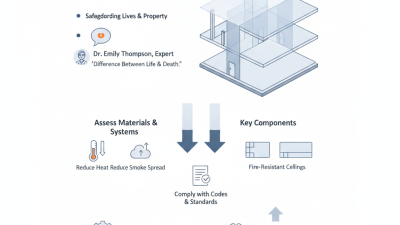
In today's world, passive fire protection is essential for safeguarding lives and properties. These solutions play a critical role in mitigating fire risks without the need for active intervention. Understanding the best options available will benefit global buyers aiming to enhance safety standards.
Passive fire protection involves various strategies, including fire-resistant materials, compartmentalization, and fire barriers. These techniques work to slow down the spread of fire. Buyers should consider the certification and testing standards that underpin these products. Reliable manufacturers often invest in rigorous testing. This information builds trust in their offerings.
As the market evolves, we witness innovations in passive fire solutions, contributing to more effective fire safety strategies. However, not all products are created equal. Some may not meet performance expectations. As buyers navigate this complex landscape, it's crucial to research thoroughly. Evaluating the long-term reliability of passive fire systems is vital.
Overview of Passive Fire Protection Solutions in Global Markets
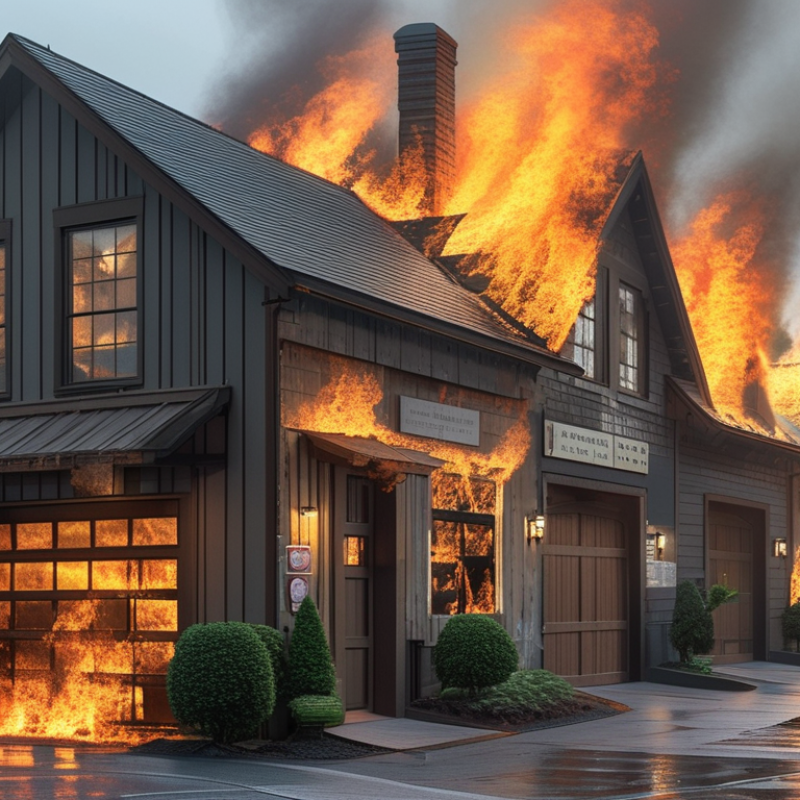
Passive fire protection solutions are essential in various global markets. They serve to prevent the spread of fire and minimize damage in buildings. These systems often include fire-resistant walls, floors, and ceilings, which can withstand high temperatures for extended periods. Fire doors and window systems also play a critical role, sealing off areas to restrict fire movement. Effective design and installation are key factors in their performance.
In recent years, the demand for these solutions has spiked. As urban areas grow, so does the need for improved safety measures. However, not all regions have adequate regulations to ensure the quality of materials used. This inconsistency raises questions about durability and reliability. Buyers must conduct thorough research. Local standards and testing methods vary significantly worldwide.
While many passive fire protection solutions offer promising benefits, some products fall short in performance. This can result from poor materials or inadequate installation practices. It’s vital for buyers to engage experienced professionals. Understanding regional market practices is crucial. Those investing in these systems should also consider ongoing maintenance and potential retrofitting to adapt to new standards.
Key Types of Passive Fire Protection Materials and Technologies
Passive fire protection (PFP) plays a critical role in ensuring safety in buildings. Various materials and technologies are designed to prevent the spread of flames and smoke. Common types of PFP solutions include fire-resistant walls, floors, and ceilings that can withstand high temperatures. These barriers are essential for creating safe zones during a fire. Intumescent paints are also noteworthy; they expand when heated, forming a protective layer over structures. This reaction can buy valuable time for evacuations.
It's important to consider installation techniques. Poorly applied fire-resistant materials can lead to significant safety risks. Regular inspections and maintenance of these materials are crucial in ensuring they perform effectively. Sometimes, building designs may not accommodate the best types of PFP solutions. Evaluating these limitations is necessary, as it allows for finding alternative methods that still meet safety standards.
Choosing appropriate PFP solutions depends greatly on the specific needs of the building and its purpose. Collaborate with fire safety experts to tailor the protection needed for your environment. Always seek reliable information to make informed choices about PFP materials and technologies. This proactive approach significantly enhances fire safety in any structure.
Comparative Analysis of Regional Regulations and Standards
In the field of passive fire protection, regional regulations and standards play a critical role. Different countries have varying requirements that can significantly impact product selection. In Europe, for instance, stricter guidelines often demand complex testing procedures. This ensures that materials can withstand fire for a longer duration. In contrast, some regions may offer more lenient standards, allowing quicker market access. However, this could raise concerns about overall safety levels.
The challenge lies in harmonizing these diverse regulations. Companies navigating this landscape must be both knowledgeable and adaptable. They need to conduct thorough research and engage local experts. Language barriers and cultural differences can complicate compliance efforts. As a result, companies may struggle to align their products with varying expectations. Adapting to these differences requires both time and resources.
Understanding local regulations is essential to avoid costly pitfalls. Misinterpretation can lead to product recalls or legal issues. For global buyers, having a clear strategy is paramount. This can help in mitigating risks while ensuring the safety of structures. Balancing compliance with market demands remains a complex yet crucial endeavor.
Factors Influencing the Selection of Passive Fire Protection Systems
Selecting passive fire protection systems requires careful consideration of multiple factors. The building’s design plays a crucial role. Structures with open spaces may need more complex systems. Meanwhile, multi-story buildings often require different solutions compared to single-level ones. Understanding the layout is essential.
Another aspect to consider is local regulations. Fire safety codes vary significantly across regions. Compliance with these standards is necessary. Failing to meet requirements can result in severe penalties. Knowledge about local laws ensures proper implementation.
The environment also impacts the choice of fire protection systems. Areas prone to wildfires require more robust solutions. Urban settings may focus on materials that resist smoke and heat. Furthermore, budget constraints cannot be ignored. Cost-effective solutions should not compromise safety. While cost is important, investing in reliable systems provides long-term benefits. Overall, the decision-making process is multifaceted and must be approached with careful analysis.
Future Trends and Innovations in Passive Fire Protection Solutions
Passive fire protection solutions are evolving, driven by technological innovations and emerging industry demands. Current trends show that materials are becoming more advanced. Intumescent coatings, which expand when exposed to heat, are now more widely used. These coatings provide a protective barrier without compromising aesthetics. Fire-resistant glass is also gaining popularity, offering safety while allowing natural light into buildings.
The integration of smart technology is another significant trend. Sensors can detect heat and smoke, signaling alarms before a fire spreads. This proactive approach enhances safety and minimizes damage. Training for construction teams on new materials and techniques is often lacking. Implementation should focus on understanding these innovations thoroughly.
Sustainability is shaping the future of passive fire protection. Eco-friendly materials are in demand, reflecting a shift towards environmentally responsible practices. However, balancing effectiveness with sustainability can be challenging. Many solutions still rely on traditional materials that may not meet green standards. Continuous research and development are vital for addressing these gaps.