Top 10 Wholesale Sports Goods for Resale in China?
In the thriving landscape of sports retail, the demand for Wholesale sports goods for resale is elevating rapidly. Experts like John Smith, a recognized authority in sports retail, emphasize, "Understanding market trends is vital for success in reselling sports equipment." This statement underlines the importance of informed decision-making in this competitive industry.
As China's economy grows, so does its appetite for sports and fitness. Retailers and entrepreneurs are increasingly seeking profitable avenues in the wholesale sports goods market. Quality products and valid suppliers are the foundation of a successful resale business. However, navigating this complex web can be challenging.
When considering wholesale sports goods for resale, it's essential to evaluate both market needs and customer preferences. Identifying top products like footwear, equipment, and apparel can yield promising returns. Yet, oversights can lead to inventory that stagnates. Staying updated on trends and customer feedback is not just beneficial but necessary. Balancing risk and opportunity remains an ongoing journey for resellers.
Top Trends in the Chinese Wholesale Sports Goods Market
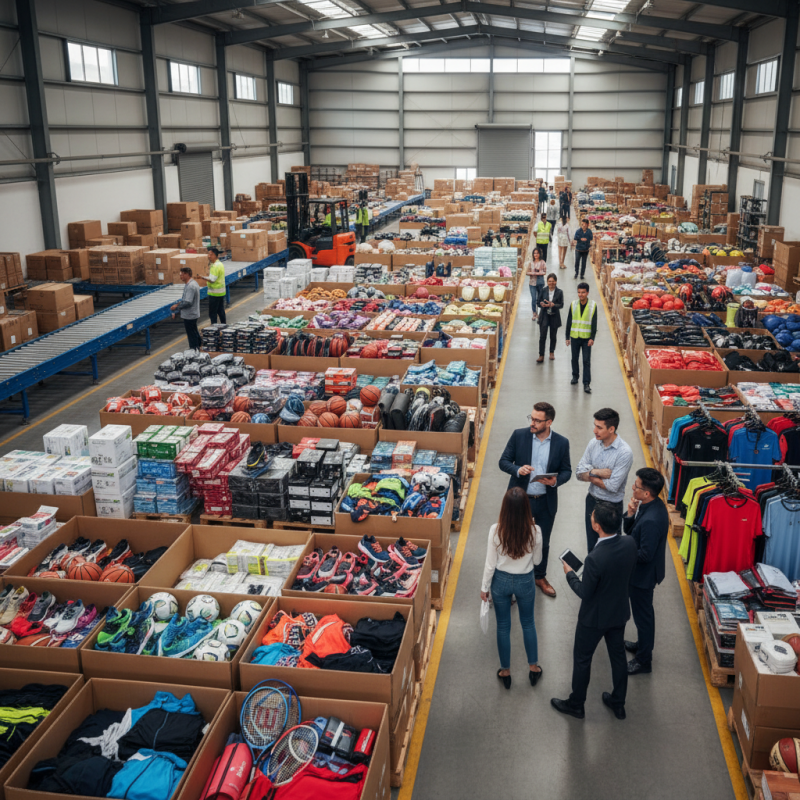
The Chinese wholesale sports goods market is evolving rapidly. With increasing demand for fitness and recreation, wholesalers must keep up with consumer trends. Mix of traditional and new sports items is essential. This blend attracts a diverse customer base.
Technology plays a key role in this sector. Smart fitness devices are gaining popularity. Incorporating tech-savvy products into your inventory can drive sales. However, it's crucial to stay updated with the latest innovations. Many suppliers are still hesitant to invest in new technologies. This reluctance can limit growth opportunities.
Sustainability is another notable trend. Eco-friendly materials are preferred by consumers. However, sourcing these materials requires effort. Some wholesalers struggle to find reliable suppliers. Balancing quality and sustainability remains a challenge. Additionally, understanding regulatory standards can be complex. The sports goods industry must navigate these evolving demands carefully.
Key Factors Driving Demand for Sports Goods in China
The demand for sports goods in China continues to rise, driven by key factors such as urbanization and a growing health consciousness among the population. According to a report by Research and Markets, the sports equipment market in China is expected to reach $62 billion by 2025, reflecting a robust annual growth rate. This growth highlights the shift towards a more active lifestyle among younger populations.
Fitness trends are also a significant influence. The National Bureau of Statistics of China notes that about 37% of Chinese individuals engage in regular physical exercise, showcasing a commitment to physical health. As gyms and fitness centers proliferate, a corresponding demand for quality sports goods emerges. Additionally, digital platforms promote sports participation, with online sales of sports equipment increasing dramatically.
Tips: Consider local trends when selecting products for resale. Engage with customers online to understand their needs better. Strive for a diverse inventory to cater to all types of sports enthusiasts. A mixed selection can attract a broader customer base. Always stay informed about industry developments to remain competitive.
Popular Types of Sports Goods for Resale Among Retailers
The demand for sports goods in China has skyrocketed. According to the China National Sports Industry Report, the sports market reached approximately $52 billion in 2022, with a projected growth rate of 10% annually. Retailers are keenly aware of the popular types of sports goods that can attract consumers.
Top items for resale include fitness equipment and activewear. Fitness equipment, such as dumbbells and resistance bands, is increasingly sought after. Sales data indicate that these products saw a 25% increase last year alone. Activewear, characterized by its comfort and style, appeals to both casual and serious athletes. The rising trend of home workouts has only intensified this demand.
Another notable category is sporting accessories. Items like yoga mats and water bottles have become essential for many. The market for these products is projected to grow by 15% in the coming years. Interestingly, retailers should also be cautious. The oversaturation of certain products can lead to decreased profit margins. Keeping track of market trends and consumer preferences is vital. Adjusting inventory based on seasonal demands can significantly impact sales.
Top 10 Wholesale Sports Goods for Resale in China
| Sports Goods Type | Average Wholesale Price (USD) | Popular Usage | Resale Market Trend |
| Yoga Mats | $15 | Fitness & Yoga | Growing Demand |
| Soccer Balls | $10 | Team Sports | Stable |
| Basketballs | $12 | Team Sports | Stable |
| Dumbbells | $25 | Home Gym | Increasing |
| Tennis Rackets | $30 | Individual Sports | Moderate |
| Badminton Rackets | $18 | Individual Sports | Steady |
| Fitness Trackers | $40 | Health Monitoring | High Demand |
| Swimming Gear | $20 | Water Sports | Increasing |
| Cycling Accessories | $35 | Outdoor Activities | Growing |
| Skating Equipment | $28 | Extreme Sports | Stable |
Best Practices for Sourcing Wholesale Sports Goods in China
Sourcing wholesale sports goods in China can be a rewarding venture, but challenges often arise. Start by identifying reliable manufacturers. It’s essential to verify their credentials. Request references and check their track record. Conducting factory visits can provide firsthand insight. Many suppliers may seem promising but could lack quality control.
Pay attention to the details. Understand product specifications and materials. Different manufacturers might have varying levels of expertise. Some may excel in production but fall short in innovation. Price isn’t everything; quality should be the priority.
Negotiation can also be tricky. Many suppliers expect haggling, yet both parties should reach a fair agreement. Always read contracts closely. Hidden fees can erode your profit margins. Be prepared for potential misunderstandings. Clear communication is vital but not always guaranteed.
Understanding the Pricing Strategies for Wholesale Sports Items in China
When diving into the wholesale sports goods market in China, understanding pricing strategies is crucial. Manufacturers often have rigid pricing structures influenced by production costs, material quality, and demand variability. Dealers must navigate these factors to maintain competitiveness while ensuring profitability. Analyzing market trends helps set effective price points.
Local suppliers frequently offer bulk discounts. Yet, unexpected shifts in demand can affect prices. Fluctuations in raw material costs can also disrupt standard pricing. Retailers might find themselves battling to keep margins stable, especially during seasonal peaks. Hence, flexibility in pricing becomes important for responsive businesses.
Engaging directly with manufacturers creates opportunities for better deals. However, dealing with multiple suppliers may complicate pricing decisions. Establishing a balance between quality and cost remains challenging. Buyers should meticulously evaluate not just the price but the value offered. Building strong relationships with suppliers can lead to better insights into pricing strategies and market movements.