Why Choose a 60 Minute Fire Rated Door?
Why choose a 60 minute fire rated door? The answer begins with time. During a building fire, sixty minutes can protect escape routes, limit smoke movement, and support emergency response. Seconds matter. The National Fire Protection Association’s Fire Loss in the United States reports that U.S. fire departments responded to approximately 1.5 million fires in 2023. Those incidents caused thousands of civilian deaths and billions of dollars in property damage. A properly specified fire door can help reduce the speed at which fire moves between protected compartments.
A 60 minute fire rated door is not simply a thick wooden or metal door. It is a tested assembly that includes the door leaf, frame, hinges, closer, latch, glazing, and approved hardware. NFPA 80 explains the inspection, installation, and maintenance requirements for fire doors. Testing standards such as UL 10C and NFPA 252 evaluate fire resistance under controlled conditions. These standards provide professional benchmarks, not marketing promises.
The rating offers valuable protection, but it is not magic. A damaged seal, blocked closer, or unsuitable replacement lock may weaken the entire assembly. Real-world performance depends on correct installation and regular inspection. This is where some specifications become too confident. Building owners should confirm the required rating, wall construction, occupancy risk, and local code requirements with qualified professionals. With careful selection, a 60 minute fire rated door becomes more than a product choice. It becomes one visible part of a wider life-safety strategy.
What Is a 60-Minute Fire-Rated Door?
Why Choose a 60 Minute Fire Rated Door?
What Is a 60-Minute Fire-Rated Door?
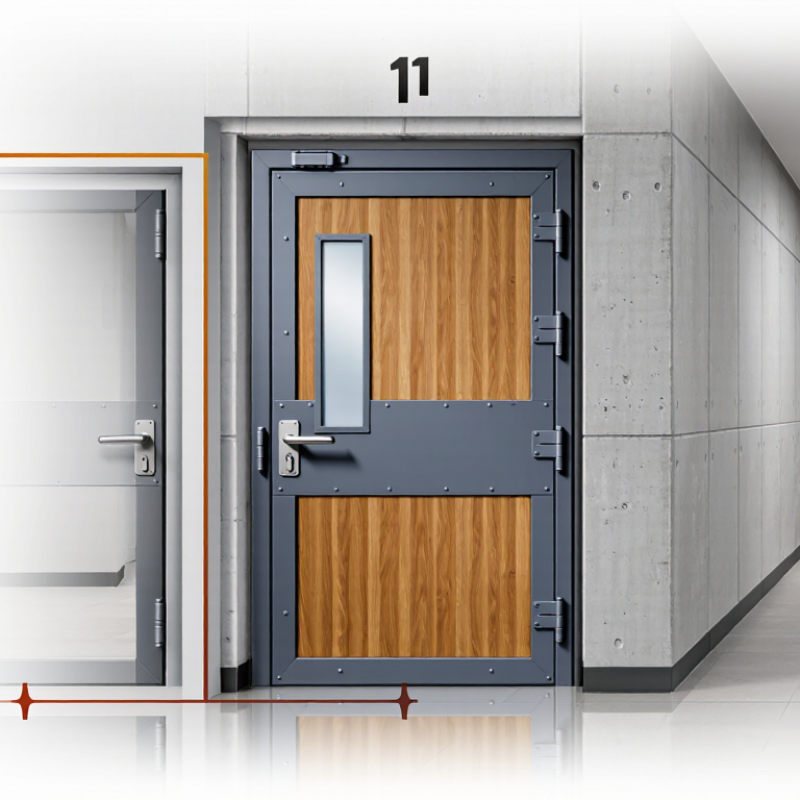
A 60-minute fire-rated door is a tested door assembly designed to resist fire exposure for up to one hour. It is not simply a thick wooden or metal door. The complete assembly matters. This includes the door leaf, frame, hinges, closer, latch, seals, and glazing, when fitted. If one part is unsuitable, the stated performance may not apply.
During a certified fire test, the assembly faces controlled heat and pressure. Inspectors examine whether flames pass through, whether the structure remains stable, and how much heat crosses the door. Some ratings also include insulation performance. Requirements can differ by region and building type. Always check the local code and the product’s test documentation.
In practical use, these doors often protect corridors, stairwells, plant rooms, and compartment walls. A properly adjusted closer should shut the door firmly, without slamming. Intumescent seals may look ordinary, but they expand when heated and close gaps around the edges. Small installation errors matter. A damaged seal, loose hinge, or wedged-open door can reduce protection significantly. It is easy to overstate the rating, too. Sixty minutes does not guarantee a safe escape time, and it does not make a building fireproof. The real benefit comes from a correctly specified, installed, and maintained assembly.
How Does a 60-Minute Fire Rating Work?
A 60-minute fire rating describes tested performance, not an unlimited safety promise. During a standardized fire test, the complete door assembly faces intense heat for up to 60 minutes. The assembly includes the door leaf, frame, hinges, latch, closer, seals, and any vision panel. Every part matters.
The rating usually measures fire resistance, temperature control, or both. A properly tested door can limit flames and heat from passing through its opening during the required period. It should remain closed without gaps appearing around the edges. Smoke seals may also reduce smoke movement, but a fire rating does not automatically guarantee complete smoke protection.
Installation changes real performance. A small gap beneath the door, a loose hinge, or a disconnected closer can weaken the assembly. On site, inspectors often check the latch, frame anchors, clearances, and self-closing action. These details are easy to overlook.
The number can mislead.
A 60-minute door does not mean occupants have exactly one safe hour. Fire behavior varies with fuel load, ventilation, building design, and maintenance. Testing also follows specific standards and conditions, so ratings should match local code requirements. The certificate matters, but routine inspection matters too. Even an excellent door may fail when damaged, propped open, or fitted with unsuitable hardware. That uncomfortable point deserves attention. Safety depends on the complete installed system, not the label alone.
Why Choose a 60-Minute Fire-Rated Door?
A 60-minute fire-rated door is tested to maintain its required fire-resistance performance for up to 60 minutes under a standard fire exposure. This provides additional time for occupants to evacuate and for emergency responders to act. Actual performance depends on the complete door assembly, including the frame, hardware, glazing, seals, installation, and wall system.
How the rating works: Fire-door ratings are expressed in minutes and are established through standardized testing. A 60-minute rating does not mean the door remains unaffected by fire; it means the tested assembly meets the applicable integrity, insulation, and other performance requirements for the rated period. Common rating durations vary by building code and testing standard.
Where Are 60-Minute Fire-Rated Doors Commonly Used?
Why Choose a 60 Minute Fire Rated Door?
Where Are 60-Minute Fire-Rated Doors Commonly Used?
A 60-minute fire-rated door is commonly installed where people need extra time to escape safely. It is often found in stairwells, protected corridors, and fire-compartment walls. Hospitals, schools, apartment buildings, offices, and care facilities frequently use these doors. They can also protect electrical rooms, boiler rooms, storage areas, and service shafts. A rating usually applies to the complete tested assembly, including the frame, hinges, closer, seals, and glazing.
In busy buildings, these doors help limit heat, smoke, and flames between key areas. A stairwell door may keep an escape route usable for longer. An apartment entrance may protect residents from a corridor fire. In a warehouse, the door can separate storage zones from offices. Small details matter. A propped-open door or damaged seal can reduce performance, even when the label looks correct. That is an easy mistake to miss.
Tips: Check the local fire code before selecting a door. Confirm the complete assembly has the required certification. Inspect gaps, hinges, latching, and intumescent seals regularly. Never remove a self-closing device for convenience. Keep the doorway clear. A qualified inspector should review high-risk areas, because installation errors are not always visible. The 60-minute rating is valuable, but it is not a substitute for a complete fire safety plan.
What Benefits Do 60-Minute Fire-Rated Doors Provide?
Why Choose a 60 Minute Fire Rated Door?
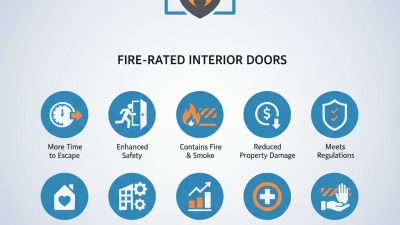
A 60-minute fire-rated door can slow flames and smoke for up to one hour when installed as a tested assembly. That delay gives occupants more time to leave and gives firefighters a safer route inside. It can also protect stairwells, corridors, plant rooms, and storage areas from rapid fire spread. In an emergency, minutes matter.
The rating applies to more than the door leaf. The frame, hinges, closer, latch, glazing, seals, and wall must work together. A qualified professional should verify the tested configuration and local code requirements before selection. Correct installation helps the door close fully after each opening. Intumescent seals expand with heat, reducing gaps that can carry smoke. In practice, small hardware changes can undermine careful fire protection.
These doors may also reduce property loss by compartmentalizing a fire. They support safer evacuation planning, especially in busy buildings with vulnerable occupants. However, the rating does not make a building fireproof. Maintenance remains essential: inspect seals, hinges, closers, and damage on a scheduled basis. A door wedged open offers little protection. That detail is easy to overlook. The complete assembly, not just the label, must meet the project’s risks and compliance needs.
How Should a 60-Minute Fire-Rated Door Be Selected and Maintained?
Why Choose a 60 Minute Fire Rated Door?
How Should a 60-Minute Fire-Rated Door Be Selected and Maintained?
A 60-minute fire-rated door is tested to resist fire exposure for one hour under controlled conditions. It is not a promise that every building fire will wait politely. NFPA’s Fire Loss in the United States During 2023 recorded about 1.39 million fires and 3,790 civilian fire deaths. These figures show why dependable compartmentation matters.
Selection should begin with the wall rating, opening type, and local building requirements. The complete assembly must be tested, including the door leaf, frame, hinges, closer, latch, glazing, and seals. A certified label should be visible and match the intended application. Not just the leaf. A door rated for 60 minutes may still fail early if its frame is unsuitable or its clearance is excessive. I have seen small installation details create large risks.
Maintenance should follow the inspection frequency required by the applicable standard, with NFPA 80 commonly requiring documented inspections at least annually. Check that the door closes fully without assistance, latches securely, and has no unapproved field modifications. Inspect intumescent seals for cuts, compression, or missing sections. Keep the surrounding area clear of wedges and stored materials. Records matter. NFPA’s inspection guidance emphasizes documenting deficiencies and corrective actions. A practical schedule may include monthly visual checks, even when annual formal inspections are required. That extra discipline is easy to overlook, but neglect often begins with one harmless-looking gap.