What Is Fire Resistant Glass and Which Type Is Best?
Choosing fire resistant glass is not simply a matter of selecting the thickest pane. The real question concerns the complete tested system, including the glass, frame, seals, fixings, and installation method. A product that performs well in a laboratory may fail when paired with an unsuitable frame. That detail is often overlooked.
Fire resistant glass can provide integrity, insulation, or both. Integrity glass helps prevent flames and hot gases from passing through. Insulating glass also limits heat transfer to the protected side. Some products use clear laminated layers, while others contain an intumescent interlayer that turns opaque and expands during fire exposure. The correct choice depends on the required rating, opening size, visibility needs, and building layout.
“Fire glazing is only as reliable as the complete tested installation,” says Mark Taylor, a fire-glazing technical specialist. This principle deserves attention. The “best” fire resistant glass is not universal. It is the product approved for the specific assembly and exposure period.
Designers should check independent test evidence, certification scope, glazing orientation, and compatibility with the frame. They should also confirm whether the system meets the required integrity and insulation classification. Small details matter, such as edge protection and approved setting blocks. A rushed specification can create hidden weaknesses.
There is room for careful doubt. Clear glass may improve daylight, but it may not suit every fire rating or budget. The strongest-looking option may be unnecessary. Professional advice, verified documentation, and competent installation remain essential. A safer decision begins with evidence, not appearance.
What Is Fire-Resistant Glass?
Fire-resistant glass is specially engineered to slow the spread of flames, smoke, and dangerous heat for a tested period. Unlike ordinary window glass, it is evaluated for performance within a complete system, including the frame, seals, and fixings. Some products provide integrity only, meaning they block flames and smoke. Others also provide insulation, limiting heat transfer to the protected side. That difference matters near escape routes, stairwells, kitchens, and internal fire compartments.
The best type depends on the location and required rating. Ceramic glass often suits areas needing strong fire performance and good visual clarity. Laminated fire-resistant glass can help control heat, smoke, and falling fragments. Multi-layer systems with intumescent material may be selected where both transparency and insulation are important. A common mistake is treating the glass as the whole solution. It is not. Poor installation can weaken a certified assembly, even when the glass itself is correctly specified.
Tips: Check the required fire-resistance period before choosing the product. Confirm that the glass, frame, seals, and hardware were tested together. Ask for documented test evidence from a qualified supplier or building professional. Measure the opening carefully. Small errors can affect fitting and performance. Requirements vary by building use and local regulations, so professional review is sensible. My practical view is simple: choose the tested assembly first, then compare appearance, thickness, and cost.
How Does Fire-Resistant Glass Work?
What Is Fire Resistant Glass and Which Type Is Best?
How Does Fire-Resistant Glass Work?
Fire-resistant glass is engineered to slow flames, smoke, and heat during a fire. Its performance depends on construction, thickness, framing, and tested installation.
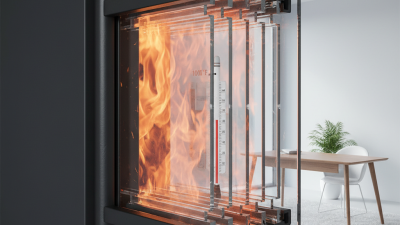
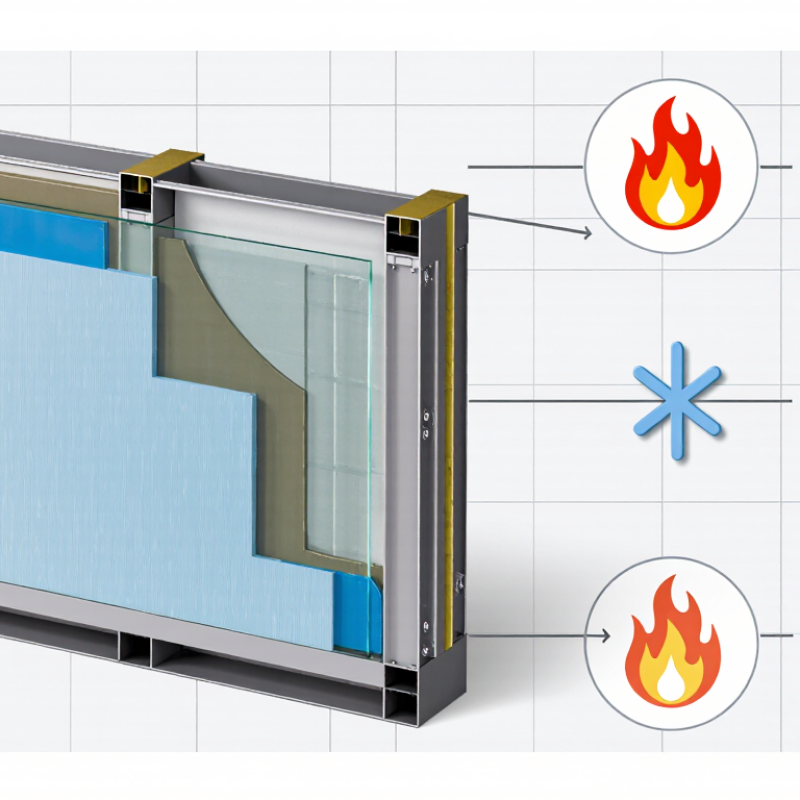
Many fire-rated panels use clear glass with intumescent interlayers. When exposed to intense heat, these layers expand and form an opaque, insulating shield. The shield reduces heat transfer and helps prevent flames from reaching the protected side. It may look like foam trapped between glass sheets.
Some panels use special ceramic glass. Ceramic glass stays stable under sudden temperature changes and resists cracking. Other systems combine several layers to meet stricter insulation requirements. The correct choice depends on the required rating, opening size, visibility, and building location.
Not every fire-resistant panel provides the same protection. Some resist flames but allow significant heat through. Others control both flames and radiant heat. This difference matters near evacuation routes, stairwells, and occupied rooms.
The frame is equally important. Heat can pass through weak seals, joints, or unsuitable glazing materials. A certified glass system must be tested as a complete assembly, not as glass alone. Installation records and site inspection also matter.
The “best” type is not always the thickest or most expensive. It must match the tested design. Specifications can be misread, especially when fire resistance and fire protection are treated as identical. That assumption deserves careful review.
What Is Fire-Resistant Glass and Which Type Is Best?
Typical maximum fire-resistance durations by glass type
How fire-resistant glass works: Fire-rated glass is tested as part of a complete glazing system, including the frame and installation method. Ceramic glass maintains integrity at high temperatures, while intumescent laminated glass contains layers that expand into an insulating, opaque barrier when exposed to heat. Wired glass uses embedded wire to help hold the pane together after cracking, but it generally provides less thermal insulation.
Which type is best? The best option depends on the required fire rating, insulation level, impact requirements, visibility, and building code. For applications requiring both fire integrity and strong heat insulation, tested ceramic or multi-layer intumescent systems are commonly selected. Actual performance depends on the complete tested assembly, not the glass alone.
The durations shown are representative industry ranges and are not a universal product certification. Fire-resistance ratings must be verified through the applicable building code and a certified test report.
What Are the Main Types of Fire-Resistant Glass?
Fire-resistant glass is not one product. It is a tested glazing assembly designed to slow flames, smoke, heat, or all three.
NFPA reported about 1.5 million fires and nearly 22 billion dollars in direct property damage in the United States during 2023. That data explains why selection should depend on tested performance, not appearance.
The main types include:
Wired glass can provide fire protection, but its impact performance may need careful review.
Ceramic glass tolerates severe heat and often suits doors, screens, and narrow openings.
Intumescent laminated glass contains layers that expand during fire exposure, creating an insulating barrier.
Gel-filled units use a transparent fire-resisting layer between glass panes.
Multi-layer assemblies generally achieve higher insulation ratings, but they can be heavier and more expensive. Under NFPA 101 and ASTM E119-based testing, the complete frame, seal, glass, and installation must match the required rating.
Tips:
Check the tested minutes, not just the product name. Confirm whether the project needs fire protection or fire resistance. Review heat transfer, smoke control, impact safety, and frame compatibility with a qualified professional. The uncomfortable detail is simple: a beautiful panel can still fail when its frame or seal is unsuitable. There is no universal “best” type. Reassess the choice when daylight, weight, maintenance, or evacuation visibility changes.
How Is Fire-Resistant Glass Tested and Rated?
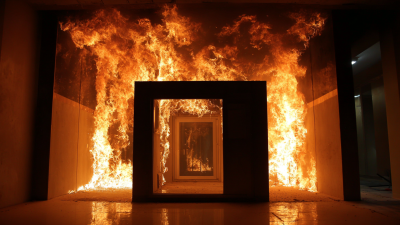
Fire-resistant glass is tested as part of a complete glazing assembly, not as an isolated sheet. A laboratory places the glass, frame, seals, and fixing system in a furnace. The furnace follows a controlled time-temperature curve that simulates a developing fire. Sensors record heat transfer and visible damage.
Testing usually measures integrity, insulation, or radiation control. Integrity, often marked E, means flames and hot gases do not pass through the assembly. Insulation, marked I, limits heat transfer on the protected side. Radiation control, sometimes marked W, restricts dangerous radiant heat. Ratings may include 30, 60, 90, or 120 minutes. The exact classification depends on the testing standard and local building requirements.
Details matter more than many product descriptions suggest. A pane tested with one frame may not perform identically in another frame. Opening size, edge cover, glazing beads, seals, and installation quality can change the result. I have seen specifications focus on the glass while ignoring the surrounding system. That approach is risky. Test reports should identify the tested configuration, furnace method, failure criteria, and approved limitations. A rating is not a promise for every installation. Standards also differ between regions, so designers should verify current requirements with qualified laboratories, engineers, or local authorities before selecting the glass.
What Is Fire Resistant Glass and Which Type Is Best? - How Is Fire-Resistant Glass Tested and Rated?
| Glass Type |
How It Works |
Typical Fire Performance |
Main Advantages |
Main Limitations |
Suitable Applications |
| Wired Glass |
A wire mesh embedded in the glass helps hold fragments together after cracking. |
May provide limited integrity performance, depending on the tested construction and applicable code. |
Low cost, daylight transmission, and improved fragment retention compared with ordinary annealed glass. |
Usually provides little or no insulation; the wire does not by itself make the glass fully fire-resistive. |
Some internal doors, partitions, and legacy installations where permitted by local regulations. |
| Fire-Rated Ceramic Glass |
A specially manufactured glass-ceramic material has very low thermal expansion and resists thermal shock. |
Commonly available for integrity-only or integrity-and-insulation applications, subject to the tested system. |
Strong resistance to rapid temperature change, good optical clarity, and relatively high temperature capability. |
Can be more brittle than some laminated products and may require careful edge protection and approved framing. |
Fire doors, vision panels, internal screens, and areas requiring clear viewing through a fire barrier. |
| Intumescent Laminated Glass |
Transparent interlayers expand and become opaque, insulating foam-like layers when exposed to fire. |
Can achieve integrity and insulation classifications, often in ratings from approximately 30 to 120 minutes when tested as a complete assembly. |
Excellent heat reduction, strong safety performance, and suitability for larger glazed areas in tested systems. |
Typically costs more, can be thicker and heavier, and must be protected from unsuitable temperature and humidity conditions before installation. |
Fire-rated walls, doors, curtain-wall zones, atriums, stair enclosures, and large internal glazed screens. |
| Gel-Filled or Multi-Layer Fire-Resistant Glass |
Special layers or cavities absorb heat and limit the transfer of radiant energy through the glazing. |
May provide high insulation ratings, but the rating depends on the exact thickness, layer arrangement, frame, and test configuration. |
Very effective at reducing heat transmission while maintaining visibility during the early stages of fire exposure. |
Heavier, more complex to install, and generally unsuitable for modification, cutting, or field alteration. |
High-performance partitions, protected escape routes, compartment walls, and areas with strict radiant-heat limits. |
Fire-Resistance Rating Categories
| Rating or Criterion |
Meaning |
What It Controls |
Important Note |
| E — Integrity |
The glazing prevents flames and hot gases from passing through for the specified period. |
Flame passage, sustained flaming, and significant openings or failures. |
An E rating does not necessarily limit the temperature on the unexposed side. |
| I — Insulation |
The glazing limits the temperature rise on the side away from the fire. |
Heat transfer that could ignite nearby materials or endanger occupants. |
I-rated products generally provide a higher level of protection than integrity-only glazing. |
| W — Radiation Control |
The glazing restricts radiant heat passing to the non-fire side. |
Radiant heat exposure at a specified distance from the unexposed face. |
W is not the same as full insulation; the required limit and test method must be checked. |
| Time Rating |
The number of minutes the tested assembly meets its required performance criteria. |
Usually expressed as 20, 30, 45, 60, 90, or 120 minutes, depending on the code and product system. |
The rating applies to the tested glass, frame, seals, hardware, and installation details as a complete assembly. |
How Fire-Resistant Glass Is Tested and Selected
| Evaluation Dimension |
Typical Test or Verification |
Data or Result Reviewed |
Selection Guidance |
| Fire Exposure |
A controlled furnace follows a prescribed time-temperature curve, such as those used in ASTM, EN, or other recognized national standards. |
Duration of exposure, furnace temperature, visible damage, flaming, and structural failure. |
Use a test method accepted by the building authority for the project location. |
| Integrity Test |
The exposed glazing is inspected for flames, hot gases, cracks, openings, and loss of stability. |
Whether the specimen maintains the E criterion for the required time. |
Choose integrity-only glazing where limiting flame and smoke passage is the primary requirement. |
| Insulation Test |
Thermocouples measure temperature rise on the side not exposed to the furnace. |
Average and maximum temperature rise against the applicable standard limits. |
Select I-rated glazing near escape routes, occupied areas, property boundaries, or combustible contents when required. |
| Radiation Test |
Radiant heat is measured at a specified position on the unexposed side. |
Radiant heat intensity and the time for which the permitted level is maintained. |
Consider W-rated products where radiant heat could affect people or nearby materials. |
| Impact and Safety |
Safety-glazing impact tests may be required separately from fire tests. |
Fragment behavior, breakage pattern, and resistance to human impact. |
A fire rating does not automatically mean the product meets every safety-glazing requirement. |
| Complete Assembly |
The glass is tested with its frame, glazing beads, setting blocks, seals, fasteners, and approved installation arrangement. |
Final classification, maximum pane size, orientation, framing limits, and construction details. |
Never substitute ordinary framing or alter the tested system without documented approval. |
Best overall choice: Intumescent laminated glass is often the most versatile option when both fire integrity and insulation are required. Ceramic glass can be preferable where thermal shock resistance, clarity, and a thinner construction are important. The correct choice must always be based on the required E, I, or W classification, the specified fire duration, local building regulations, and certification for the complete installed assembly.
Which Type of Fire-Resistant Glass Is Best for Each Application?
Fire-resistant glass is not one universal product. The best type depends on the required fire rating, heat control, visibility, and opening size. More importantly, glass must be tested as part of a complete assembly. That assembly includes the frame, seals, glazing beads, and installation method. Specifying the pane alone can create false confidence.
Intumescent laminated glass suits corridors, stair enclosures, and internal partitions where clear vision and insulation matter. Heat activates its interlayers, which expand and reduce heat transfer.
Ceramic fire-rated glass works well in doors, sidelights, and façade openings exposed to severe radiant heat. It remains stable at high temperatures, but its slight tint or texture may affect design expectations. For smaller vision panels, it can be a practical choice. Check both integrity and insulation ratings.
Wired glass may still appear in older buildings, but it should never be selected by appearance alone. Impact performance, local requirements, and approved framing can change its suitability. A common mistake is treating a higher minute rating as automatically better. It may add cost, weight, and installation limits without solving the real risk. Review smoke control, evacuation routes, sprinklers, and maintenance access with a qualified fire-glazing professional. Details matter. Product data should show testing under the intended orientation, dimensions, and frame system. Those checks are easy to skip, and otherwise careful designs can fail there.