What Are the Top Types of Safety Glass Windows?
Choosing the right safety glass windows begins with understanding how glass behaves under impact, heat, and building movement. On a real project, a bathroom window near a shower needs different protection from a storefront beside a crowded entrance. The answer is not perfectly simple.
The International Energy Agency’s 2023 Global Status Report for Buildings and Construction states that buildings consume about 30% of global final energy. This finding makes window design important for both safety and energy performance. Glass selection should therefore consider impact resistance, solar control, insulation, visible light, and frame compatibility. A strong safety rating alone does not guarantee a comfortable or efficient window.
Industry outlooks from Grand View Research and Fortune Business Insights describe steady demand for architectural glass, supported by construction, renovation, and stricter performance expectations. However, market forecasts differ because they use different regions and product definitions. That limitation deserves attention. Practical selection should rely on tested assemblies, not marketing claims.
Tempered glass is commonly chosen for doors, bathrooms, and side windows. It breaks into smaller fragments after severe impact. Laminated glass holds together through a durable interlayer, making it valuable for overhead glazing, security applications, and noise reduction. Wired, heat-strengthened, and insulated safety glass serve more specialized needs. Standards such as ASTM C1048, ASTM C1172, and CPSC 16 CFR 1201 help verify performance in relevant applications.
This guide compares the top types of safety glass windows. It focuses on real use, tested performance, maintenance, and installation details. A window may look strong. Its complete assembly must prove it.

What Defines a Safety Glass Window?
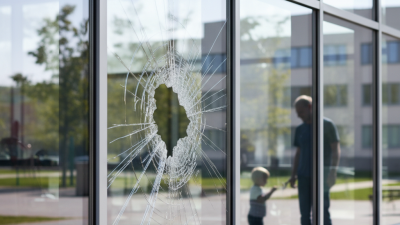
Safety glass windows are defined by how they reduce injury when broken, not by appearance alone. They use strengthened or layered glass designed to handle impact and fail more safely. Tempered glass is heat-treated. When it breaks, it usually crumbles into small, blunt granules. Laminated glass holds cracked pieces between plastic interlayers. It may stay in the frame after impact. That difference matters near doors, bathrooms, stairs, and low-level windows.
A reliable safety window also needs correct marking, suitable thickness, and professional installation. The frame, edge clearance, and supporting blocks affect performance. In practice, a strong pane can still become dangerous if the frame is loose or the glass is cut incorrectly. Standards and local building requirements should guide selection, especially in areas exposed to people, weather, or accidental contact. A label alone is not proof of good protection. This is easy to overlook.
Tips: Ask what type of glass is installed and how it breaks. Check for a permanent safety mark before approving the work. Keep furniture away from vulnerable glazing, particularly where children may climb. For security or noise control, laminated glass may offer useful added resistance, but it is not unbreakable. Tempered glass is not always the better choice. The right option depends on location, impact risk, ventilation needs, and the window system.
How Tempered Glass Windows Improve Impact Resistance
Among the top types of safety glass windows, tempered glass is widely selected for doors, bathrooms, side panels, and low-level glazing. It is heated and rapidly cooled, creating stronger outer surfaces. The National Glass Association reports that tempered glass is approximately four times stronger than comparable annealed glass of the same thickness.
That difference matters near busy entrances. A dropped tool, a child’s toy, or a sudden temperature change can challenge ordinary glass. Tempered glass resists impact and thermal stress more effectively. When it finally fails, it usually breaks into small, blunt-edged granules instead of long, sharp shards. The U.S. Consumer Product Safety Commission’s architectural glazing requirements use impact-test criteria to identify hazardous glass locations, including doors and areas close to floors.
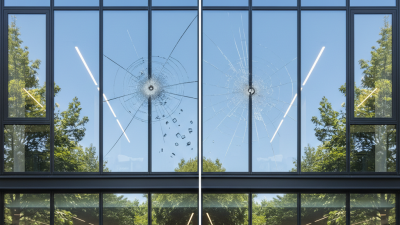
Still, stronger does not mean unbreakable. A hard strike near an edge may cause sudden failure. Installation quality matters too. Frames must remain square, and installers should avoid chipped edges or excessive pressure. ASTM C1048 provides technical requirements for heat-treated flat glass, supporting consistent inspection and manufacturing practices.
A practical detail is often missed. Tempered glass cannot be cut or drilled after treatment. Measurements must be correct before production. That sounds obvious, but renovation errors happen. Laminated glass may be more suitable where continued opening protection is needed after breakage, while tempered glass often offers better resistance to sudden impact and heat. The best choice depends on location, thickness, framing, and expected hazards.
What Are the Top Types of Safety Glass Windows? - How Tempered Glass Windows Improve Impact Resistance
| Glass Type |
How It Is Made |
Impact and Breakage Behavior |
Common Window Applications |
Important Consideration |
| Tempered glass |
Glass is heated and rapidly cooled, creating surface compression and internal tension. |
It is generally several times stronger than comparable annealed glass against impact and thermal stress. If it breaks, it usually crumbles into many small pieces rather than large, sharp shards. |
Patio doors, sliding doors, shower enclosures, and windows in locations where building codes require safety glazing. |
It can still break under a strong impact. Once broken, it usually leaves an opening because the fragments are not held together. |
| Laminated glass |
Two or more glass layers are bonded with a plastic interlayer, commonly polyvinyl butyral (PVB) or ionoplast. |
If the glass cracks, the interlayer helps hold fragments in place and can make it harder to pass through the opening. |
Windows and doors where post-breakage retention, security, sound reduction, or protection from falling glass is important. |
Its performance depends on the glass and interlayer construction; impact, security, and hurricane ratings require the applicable testing and certification. |
| Tempered laminated glass |
Tempered glass plies are bonded together with a plastic interlayer. |
Combines the enhanced strength and small-fragment breakage pattern of tempered plies with an interlayer that helps retain broken glass. |
Some overhead glazing, skylights, façades, and other applications requiring both strength and fragment retention. |
Suitable construction depends on the specific application, local code, glass thickness, support system, and required test rating. |
| Heat-strengthened glass |
Glass is heated and cooled more slowly than tempered glass, producing moderate surface compression. |
It is typically stronger than annealed glass but weaker than fully tempered glass. Broken pieces are generally larger than tempered-glass fragments. |
Building façades and insulated glass units where added resistance to thermal stress or wind load is useful. |
Heat-strengthened glass is not automatically safety glazing; its suitability must be checked against applicable codes and test requirements. |
| Wired glass |
A wire mesh is embedded within the glass during manufacture. |
The mesh may help hold some fragments together, but it does not by itself make the glass resistant to impact or safe for every location. |
Some existing buildings and specific applications where fire-rated glazing is required and the complete assembly is approved. |
Older wired glass can cause serious cuts and may not meet current impact-safety requirements. Use only where permitted and properly rated. |
How tempered glass improves impact resistance: Rapid cooling leaves the outer surfaces in compression, so an impact must overcome that compressed surface layer before a crack can propagate. Tempered glass is not unbreakable or bulletproof, and safety-glazing requirements vary by location and application. Check local building codes and product test ratings before selecting glazing.
When Wired and Heat-Strengthened Glass Windows Are Used
What Are the Top Types of Safety Glass Windows?
When Wired and Heat-Strengthened Glass Windows Are Used
Safety glass selection depends on impact risk, fire exposure, temperature changes, and local building requirements. Wired glass is often considered for fire-rated doors, stairwell openings, and corridors near heat-producing equipment. Its embedded wire mesh can help hold broken pieces together during a fire. However, the wire does not make the glass automatically safe for human impact.
That distinction matters. Traditional wired glass may crack into sharp, dangerous shards when struck. In a busy school corridor or workshop, that weakness deserves careful attention. Some regulations require an additional impact-safety treatment or a tested fire-rated assembly. The frame, glazing compound, and installation method also affect performance. A window may look suitable but fail as a complete system.
Heat-strengthened glass is useful where thermal stress is a concern. Large windows near sunny façades, dark interior surfaces, or heating vents can experience uneven temperatures. This glass is stronger than annealed glass and offers better resistance to thermal breakage. It usually breaks into larger pieces, so it is not always classified as safety glazing. That point is easy to overlook.
A qualified glazing professional should check the opening size, edge condition, glass thickness, and required test markings. I would not choose from appearance alone. A small chip near the edge can change the risk. Local rules may also differ, and that uncertainty should be examined before installation.
How to Choose the Right Safety Glass Window Type
What Are the Top Types of Safety Glass Windows?
Choosing the right safety glass window starts with the hazard, not the appearance.
Tempered glass suits doors, bathrooms, and low-level windows where sudden impact is possible. It breaks into small, blunt pieces. That reduces serious cuts, although it does not prevent every injury. Laminated glass uses a tough interlayer between two panes. When cracked, it usually stays in place. This makes it useful near stairs, bedrooms, balconies, and areas needing better sound control.
Think about the room’s real conditions. A busy entryway may need laminated glass for stronger breakage resistance. A sunny bathroom may benefit from tempered glass with privacy treatment. For large openings, ask a qualified glazier about thickness, framing, and wind pressure. Glass alone cannot compensate for a weak frame. That detail is easy to miss.
Check local building requirements before ordering. Safety markings, impact ratings, and installation rules can differ by location. Ask for test documentation, not only a product description. Fire-rated glazing is a separate category and should be selected only for approved fire assemblies. Wired glass is sometimes treated as a safety solution, but older forms can still create sharp shards. It deserves careful review. I have seen attractive windows chosen without considering cleaning access or emergency escape. That decision often feels reasonable until maintenance becomes difficult. Measure the opening twice. Consult an experienced installer when children, falling risks, extreme weather, or oversized panes are involved. Small details matter.